

Key Highlights
- Ceasefire Duration:Over 100 days of violence have led to a fragile ceasefire in the Middle East.
- Humanitarian Impact:Aid deliveries have increased, but needs remain immense for displaced families.
- Diplomatic Efforts:International mediators are working to ensure the ceasefire evolves into lasting peace.
Across the Middle East, moments of silence can sometimes feel as significant as the sound of conflict itself. After more than one hundred days of violence, a fragile ceasefire has brought a measure of calm to parts of the region. Yet beneath that calm, uncertainty continues to shape everyday life for millions.
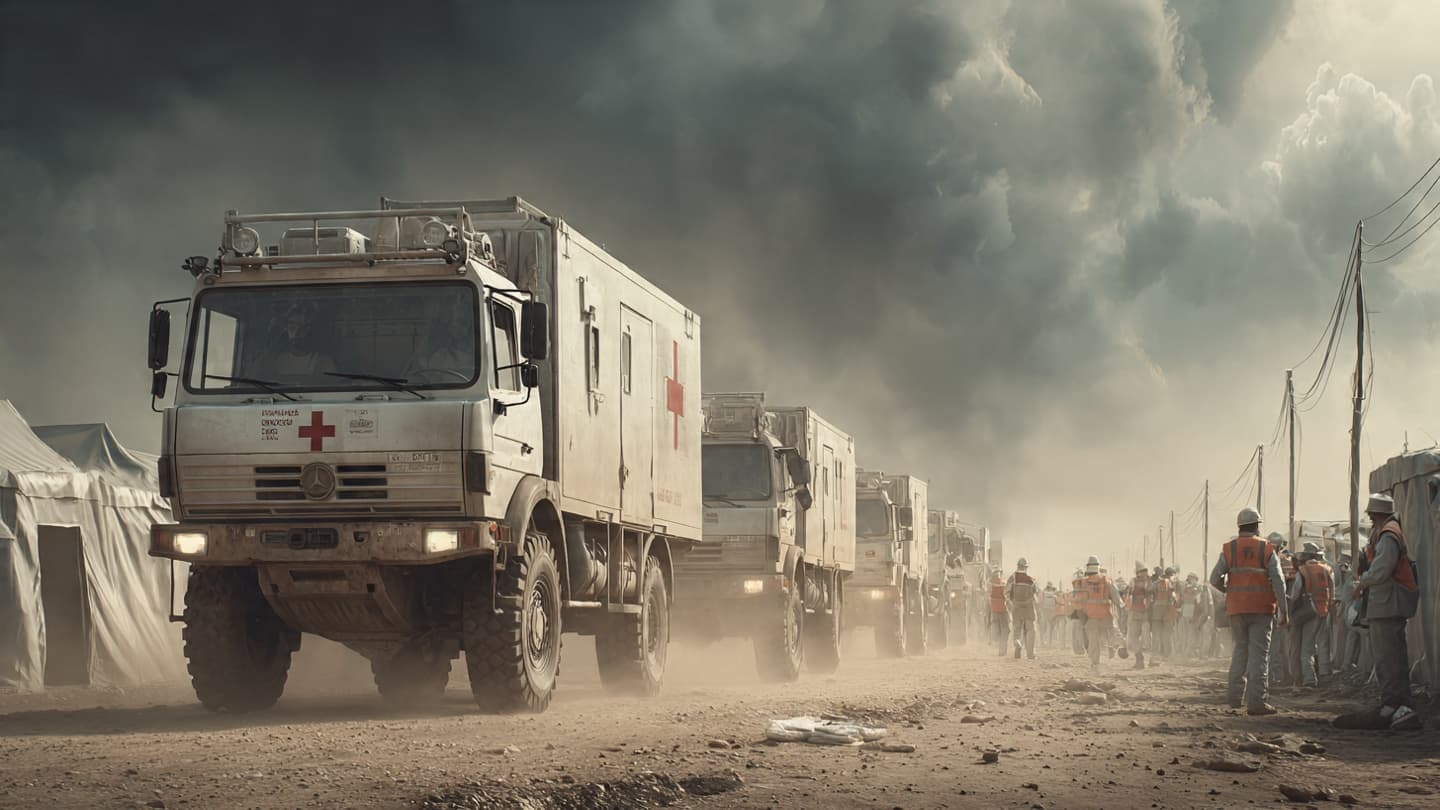
Diplomatic efforts led by regional and international mediators have succeeded in reducing active hostilities in several areas. The ceasefire has allowed humanitarian agencies to expand aid deliveries and improve access to communities affected by prolonged fighting. Reports indicate that food, medical supplies, and other essential resources are finally reaching those in dire need, although the scale of the crisis remains staggering.
Despite these developments, observers caution that the truce remains delicate. Sporadic incidents and accusations exchanged by opposing sides have raised concerns that tensions could quickly resurface. Analysts warn that without a robust framework to address the underlying issues, the ceasefire may not hold. Historical precedents in the region show that temporary agreements often falter when not supported by comprehensive political solutions.
Humanitarian organizations continue to warn that the needs on the ground remain immense. Many families remain displaced, infrastructure has sustained extensive damage, and access to medical services remains limited in numerous communities. The United Nations has reported that millions are still in urgent need of assistance, highlighting the long road ahead for recovery.
International diplomats have emphasized that a sustainable peace will require more than a temporary cessation of violence. Negotiations addressing security arrangements, humanitarian access, and political grievances are expected to continue in the coming weeks. The international community is closely monitoring these discussions, hoping for a breakthrough that could lead to lasting stability.
For civilians, however, even temporary calm has provided opportunities to reunite with relatives, return to damaged homes, and rebuild essential routines. Humanitarian workers describe these moments as small but meaningful steps toward recovery. Families are beginning to assess the damage and plan for the future, even as the specter of renewed conflict looms.
As diplomatic channels remain active, international leaders continue urging all parties to preserve the ceasefire. The coming weeks are expected to play a crucial role in determining whether the current pause can evolve into a more durable peace. The world watches closely, hoping that the silence will not only signify a break from violence but also a step toward a brighter future for the region.
Published by Banx Network. This article is part of the Banx decentralized media programme, powered by the BXE token on the XRP Ledger.




