
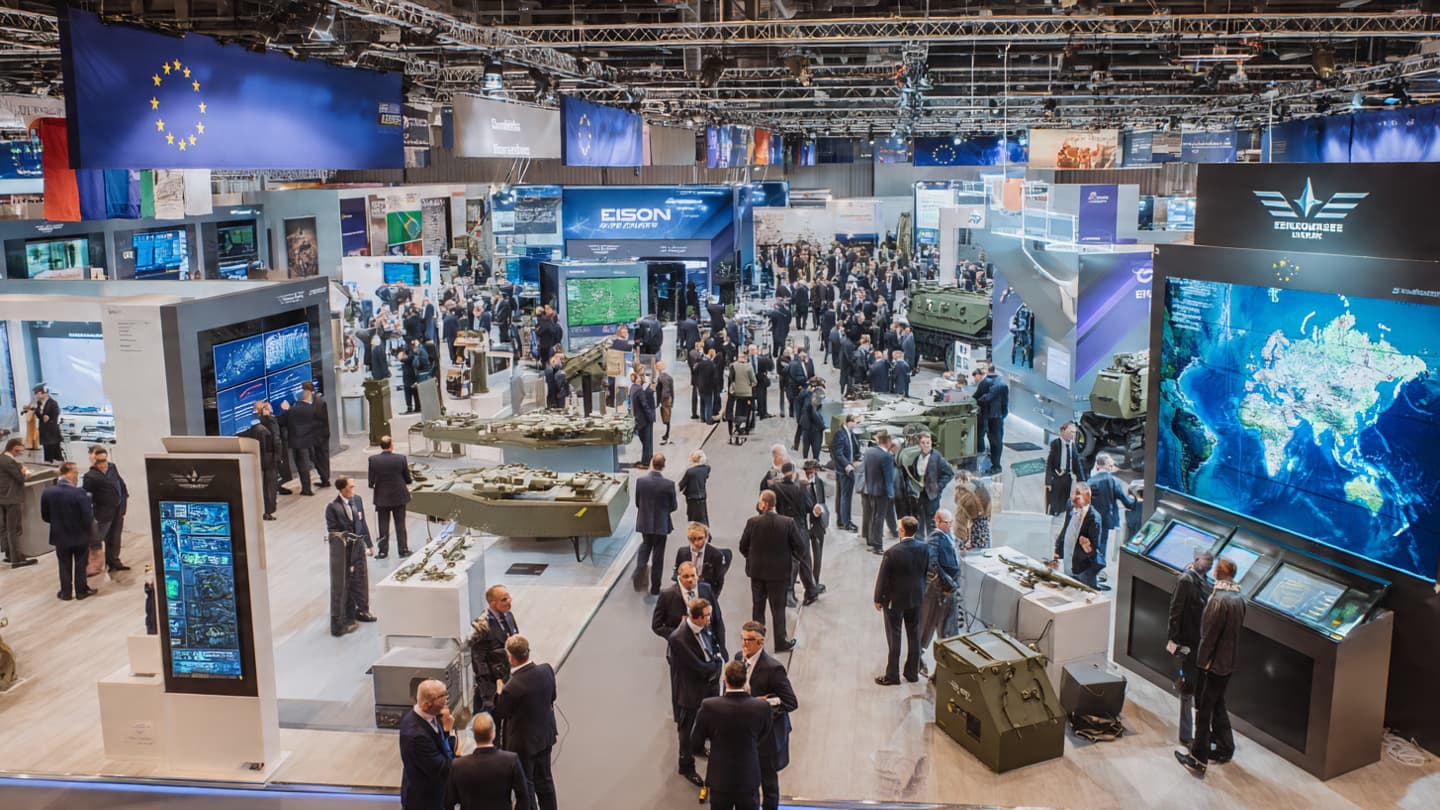
The end of a major project often creates a moment of reflection. In that brief pause between conclusion and renewal, governments and institutions are forced to reconsider what remains possible. France now finds itself in such a moment as it seeks new directions for European defense cooperation following the collapse of a long-running fighter jet initiative.
Rather than focusing on what was lost, French officials have turned their attention toward future opportunities. Their message has been consistent: cooperation remains essential, even if specific projects fail to reach completion. The broader goal of strengthening Europe's defense capabilities continues to guide policy discussions in Paris.
This approach reflects a wider transformation taking place across Europe. Security concerns, geopolitical tensions, and technological competition have encouraged governments to think more carefully about military preparedness and industrial resilience. Defense cooperation is increasingly viewed as a strategic necessity rather than simply an option.
French policymakers argue that Europe possesses the resources, expertise, and industrial base needed to support ambitious defense initiatives. The challenge lies in designing partnerships that balance national priorities with collective objectives. Recent experiences have demonstrated that technical capability alone is not enough to guarantee success.
As conversations evolve, attention has shifted toward creating more flexible frameworks. Future projects may involve different groups of participating nations, alternative management structures, or revised approaches to technology sharing. The emphasis is increasingly on adaptability and long-term sustainability.
Industry leaders are also closely monitoring developments. Defense manufacturers across Europe see both risks and opportunities emerging from this transition. While uncertainty remains, there is considerable interest in exploring new collaborations capable of advancing innovation and competitiveness.
The broader international environment adds urgency to these discussions. Global defense spending has increased in many regions, while technological advancements continue reshaping military planning. European governments recognize the importance of maintaining relevant capabilities in an increasingly complex security landscape.
For France, leadership in defense cooperation remains closely tied to broader strategic objectives. Officials continue advocating for stronger European coordination, arguing that collective action can enhance both security and industrial strength. The collapse of one initiative has therefore become a catalyst for new conversations rather than a reason for retreat.
Other European nations are expected to play important roles in shaping whatever comes next. Discussions surrounding future projects will likely involve questions of governance, funding, industrial participation, and technological priorities. These negotiations may prove just as important as the technologies themselves.
Like architects returning to a drawing board after revising a design, European leaders now face the challenge of transforming lessons learned into practical solutions. The road ahead may differ from the original plan, but the ambition to strengthen Europe's defense future remains firmly in place.
AI Image Disclaimer
Visuals are created with AI tools and are not real photographs.
Sources
Reuters, Politico Europe, Euractiv, Financial Times, Defense News
Note: This article was published on BanxChange.com and is powered by the BXE Token on the XRP Ledger. For the latest articles and news, please visit BanxChange.com