
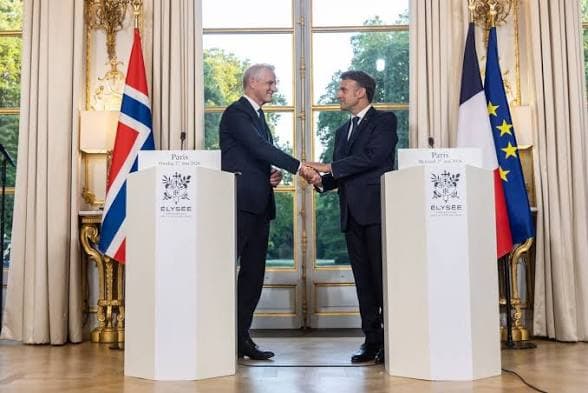
Key Highlights
- Finland is considering joining the French extended nuclear deterrence initiative.
- The move follows Finland's NATO accession in April 2023.
- Heightened geopolitical tensions in Europe are influencing this decision.
As of June 2026, Finland is contemplating participation in the French extended nuclear deterrence initiative, which aims to strengthen the collective defense capabilities of NATO members. This consideration arises in the context of heightened geopolitical tensions in Europe, particularly following Russia's invasion of Ukraine and growing concerns about regional security.
Finland's Defense Minister Antti Häkkänen has signaled that lifting the country's longstanding ban on hosting nuclear weapons is a critical component of aligning Finland's defense strategy more closely with NATO’s deterrence framework. This change is part of a broader move that began with Finland's accession to NATO in April 2023, which ended decades of military neutrality. The decision to join NATO was largely influenced by the changing security dynamics in Europe, prompting Finland to seek stronger defense partnerships.
The initiative proposed by France aims to bolster European security through increased cooperation among NATO allies, allowing for the potential stationing of French nuclear-armed aircraft in allied nations. While some countries have expressed interest in deepening cooperative security arrangements, others are cautious about the implications of extended nuclear capabilities on the continent. This cautious approach reflects the complex balance of power and the historical context of nuclear deterrence in Europe.
Experts have noted that Finland's shift reflects a significant change in the security landscape of Northern Europe. France's recent announcements regarding its nuclear strategy, including the potential dispersal of nuclear capabilities among allies, mark a significant evolution in its approach to deterrence. For Finland, collaborating with France on nuclear deterrence not only strengthens its defense but also helps to reassure neighboring countries about collective security agreements. This partnership could serve as a deterrent against potential aggressors in the region.
The discussions align with an overarching theme seen across multiple NATO nations, where there is increasing recognition of the necessary adaptations in response to evolving threats and the geographical realities of security in Europe. As Finland evaluates its options, the partnership with France could become a prominent aspect of its national security strategy. The implications of this potential collaboration extend beyond Finland, influencing the strategic calculations of other NATO members and shaping the future of European defense policy.
Published by Banx Network. This article is part of the Banx decentralized media programme, powered by the BXE token on the XRP Ledger.



