
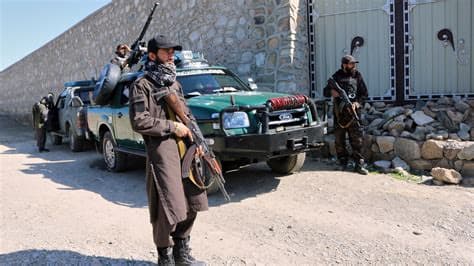
Key Highlights
- Incident:Afghanistan accuses Pakistan of shelling near Jalalabad.
- Casualties:Multiple civilian deaths and injuries reported.
- Response:Afghan government demands ceasefire and accountability.
In a recent escalation of hostilities, Afghanistan has accused Pakistan of shelling its eastern regions, particularly near the city of Jalalabad. The Afghan government reports that the attack led to multiple civilian casualties, with several deaths and numerous injuries among the local population. Eyewitness accounts describe scenes of chaos as families sought shelter amidst the attack, highlighting the dire conditions faced by civilians in border areas.
Local officials stated that homes and infrastructure were damaged, exacerbating an already precarious humanitarian situation. The destruction of property not only poses immediate dangers but also threatens the long-term stability of the region, which has been grappling with ongoing conflict and humanitarian crises.
The Afghan Foreign Ministry condemned the assault, calling it a violation of sovereignty and an unacceptable act of aggression. Officials demanded an immediate ceasefire and urged Pakistan to take responsibility for its military actions. This statement reflects the Afghan government's growing frustration with what it perceives as repeated incursions and provocations from its neighbor.
In response, Pakistani authorities have downplayed the allegations, asserting that their military operations in border regions are aimed at countering terrorism and securing national interests. They emphasized that any military actions are conducted with the utmost care to avoid civilian harm. This defense highlights the complexities of the situation, where both nations accuse each other of exacerbating tensions.
This incident further complicates the already fraught relationship between Afghanistan and Pakistan, which has historically been marked by border disputes and accusations of cross-border militancy. Observers fear that continued conflict could worsen the humanitarian crisis affecting the region and destabilize efforts to achieve lasting peace. The potential for escalation remains high, as both governments navigate their national security concerns against the backdrop of civilian safety.
International organizations have called for restraint from both parties, urging dialogue to address grievances and prevent further civilian suffering. As the situation unfolds, the need for a diplomatic resolution becomes increasingly urgent to secure peace and protect vulnerable populations along the border. The international community's role in mediating these tensions could be pivotal in fostering a more stable environment for both nations.
Published by Banx Network. This article is part of the Banx decentralized media programme, powered by the BXE token on the XRP Ledger.



