In the complex ecosystem of the American food supply, where local ranching traditions meet global market forces, a significant shift is underway. The administration has moved to widen the scope of beef imports, a strategic decision aimed at curbing rising consumer prices and ensuring affordability at the grocery store. This policy adjustment reflects a pragmatic approach to economic management, balancing the protection of domestic agriculture with the immediate needs of households facing inflationary pressures.
For decades, the American beef industry has been a symbol of self-reliance and rural identity. However, recent years have seen supply chain disruptions and rising production costs squeeze farmers and consumers alike. By opening the doors to additional international suppliers, the government seeks to increase competition and stabilize prices. This move acknowledges that in a globalized economy, isolationism can sometimes come at the cost of everyday affordability for working families.
The decision has sparked a nuanced debate within the agricultural community. While some ranchers worry about increased competition from foreign markets, others recognize the necessity of maintaining market stability. The administration has emphasized that these measures are temporary and targeted, designed to address specific shortages rather than undermine the long-term viability of U.S. producers. It is a delicate balancing act, requiring careful monitoring and adjustment.
For consumers, the impact may be subtle but meaningful. Beef, a staple in many American diets, has seen price fluctuations that strain household budgets. Increased import availability aims to smooth out these spikes, providing relief to shoppers who have felt the pinch of inflation. It is a reminder that trade policy is not just an abstract concept but a direct influence on the contents of our dinner plates.
Internationally, this opening creates opportunities for trading partners who have long sought greater access to the U.S. market. Countries with robust beef production capabilities view this as a chance to strengthen economic ties and demonstrate the reliability of their supply chains. It fosters a sense of interdependence, where mutual benefit drives cooperation rather than conflict.
Critics argue that relying on imports could weaken domestic food security in the long run. They urge the government to invest more heavily in supporting local farmers through subsidies and technology rather than turning to external sources. These concerns highlight the ongoing tension between short-term economic relief and long-term strategic independence. The dialogue between these perspectives is essential for shaping sustainable agricultural policy.
As the new import protocols take effect, industry analysts will be watching closely for signs of price stabilization and market response. The success of this initiative will depend on efficient logistics, fair trade practices, and transparent communication with stakeholders. It is a test of whether trade liberalization can effectively serve domestic interests without compromising national values.
In the end, the widening of beef imports is a practical response to a complex economic challenge. It underscores the importance of flexibility in policy-making and the need to prioritize consumer well-being. For the American table, it promises a return to affordability, while for the global market, it signals a continued commitment to open trade. The hope is that this balance can be maintained, benefiting both producers and consumers alike.
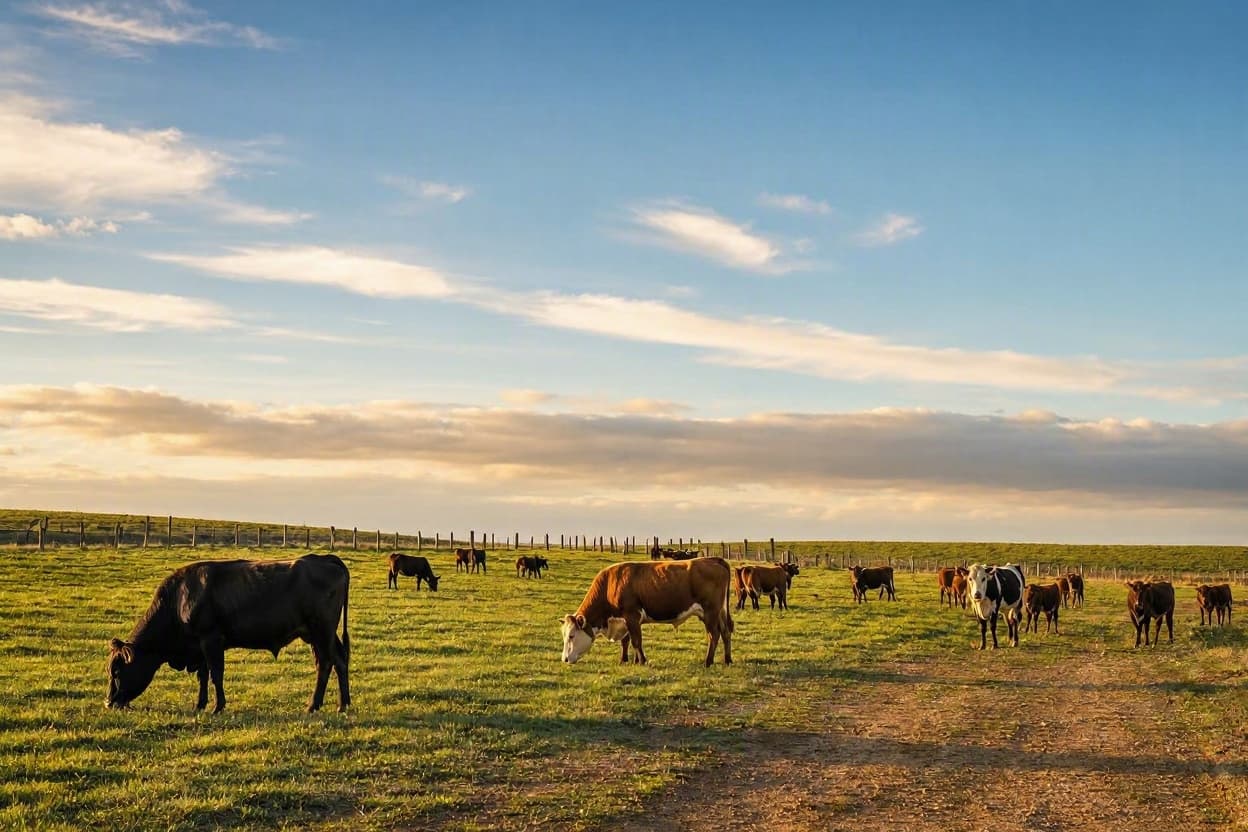
AI Image Disclaimer: The visual elements in this article are AI-generated illustrations depicting pastoral landscapes and abstract representations of global trade, designed to reflect the themes of agriculture and economics without showing real proprietary brand logos or specific political figures.
Sources: Reuters, Bloomberg, The Wall Street Journal, Agri-Pulse
Published by Banx Network. This article is part of the Banx decentralized media programme, powered by the BXE token on the XRP Ledger.