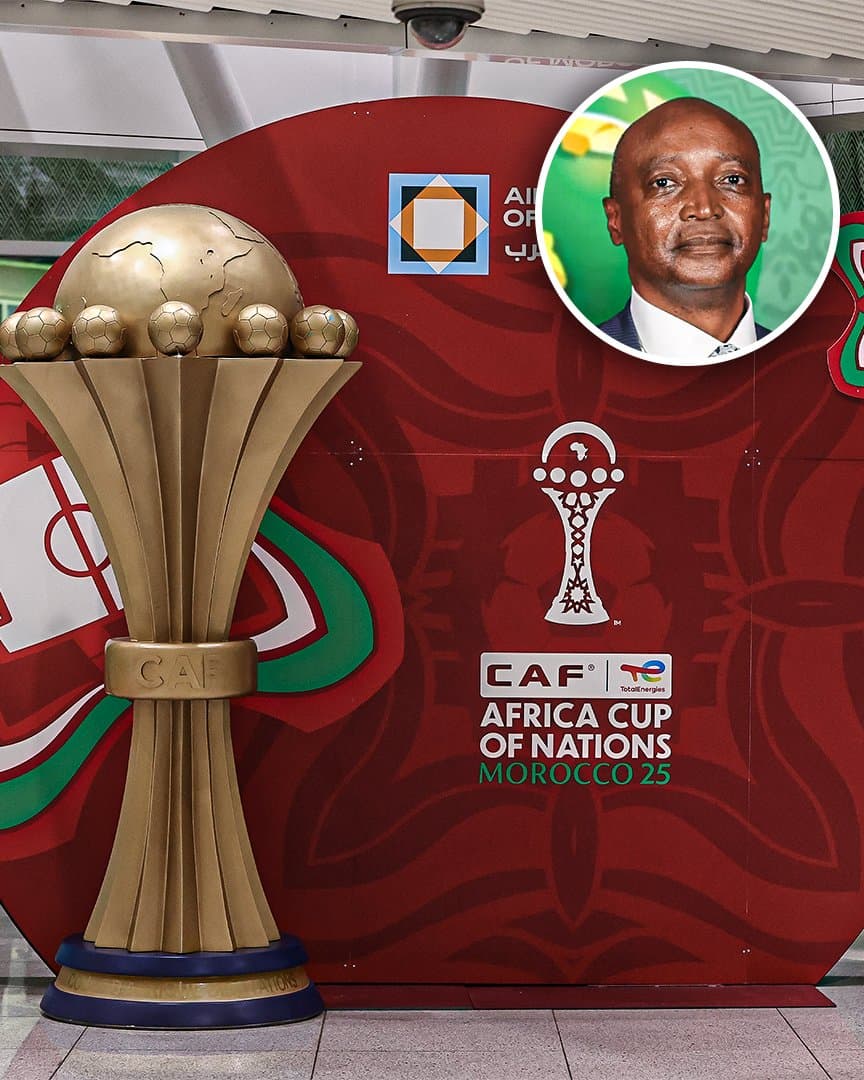
African football is entering a historic transition. The Confederation of African Football (CAF) has officially announced that the Africa Cup of Nations (AFCON) will move to a four-year cycle after the next scheduled tournaments in 2027 and 2028. The following AFCON edition is set for 2032, marking a major structural shift in the continent’s flagship football competition. CAF President Patrice Motsepe confirmed the decision as part of a broader strategy to modernize African football, reduce calendar congestion, and align major tournaments with long-term development goals. AFCON has traditionally been held every two years, a format that brought excitement but also placed pressure on players, clubs, and national teams. The change comes alongside another landmark announcement: the introduction of the African Nations League, scheduled to launch in 2028. This new competition will provide regular, competitive international matches for African nations, replacing many low-value friendlies with structured, high-stakes fixtures. Under the revised schedule, AFCON 2025 will be hosted by Morocco, followed by the 2027 edition jointly hosted by Kenya, Tanzania, and Uganda. The additional 2028 tournament will act as a transitional edition before the four-year cycle officially begins, allowing CAF to smoothly integrate the Nations League into the continental calendar. This shift is expected to improve player welfare, enhance tournament quality, and increase commercial value. With more preparation time between AFCON tournaments, host nations can invest more effectively in infrastructure, while broadcasters and sponsors benefit from clearer long-term planning. The African Nations League is also designed to boost competitiveness across all tiers of African football. Smaller nations will gain consistent match exposure, ranking stability, and development opportunities, while top teams benefit from meaningful competition outside AFCON years. CAF’s reforms signal a bold vision: fewer tournaments, higher quality, better organization, and stronger global relevance. As African football continues to rise on the world stage, these changes aim to ensure sustainability, competitiveness, and long-term growth across the continent.
Published by Banx Network. This article is part of the Banx decentralized media programme, powered by the BXE token on the XRP Ledger.