

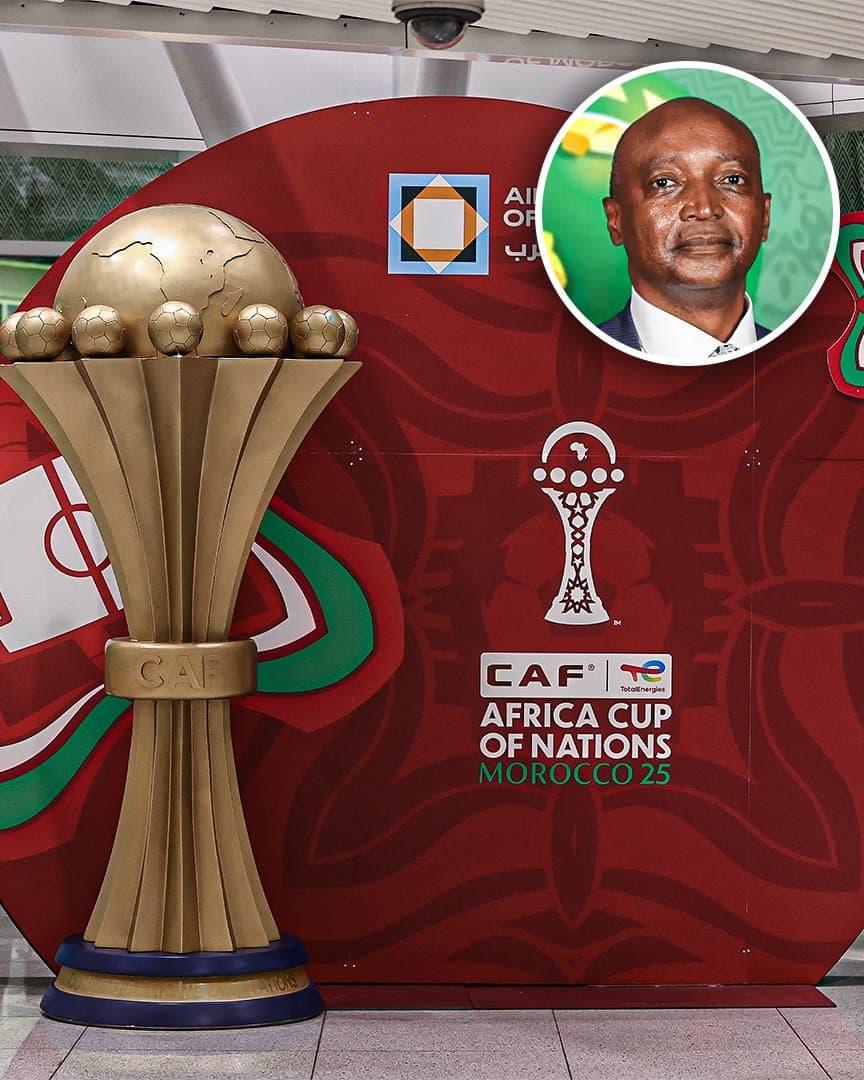
Key Highlights
- AFCON will transition to a four-year cycle starting in 2032.
- The African Nations League will launch in 2028, enhancing competitive matches.
- Morocco will host AFCON 2025, with Kenya, Tanzania, and Uganda co-hosting in 2027.
African football is entering a historic transition as the Confederation of African Football (CAF) officially announces a significant change to the Africa Cup of Nations (AFCON). The tournament will shift to a four-year cycle, with the next editions scheduled for 2027 and 2028, before the new cycle begins in 2032. This decision marks a pivotal moment for the continent's premier football competition, which has traditionally been held biennially.
CAF President Patrice Motsepe confirmed this decision as part of a broader strategy aimed at modernizing African football. The move is intended to alleviate calendar congestion, allowing players, clubs, and national teams to better manage their commitments. The traditional two-year format, while exciting, has often placed undue pressure on participants, prompting the need for a more sustainable approach.
In conjunction with the AFCON changes, CAF also announced the introduction of the African Nations League, set to launch in 2028. This new competition is designed to replace many low-value friendly matches with structured, high-stakes fixtures, providing African nations with regular, competitive international matches. This initiative aims to enhance the quality of football across the continent and ensure that teams are better prepared for major tournaments.
The revised schedule indicates that Morocco will host AFCON 2025, followed by a joint hosting arrangement for the 2027 edition involving Kenya, Tanzania, and Uganda. The 2028 tournament will serve as a transitional event, allowing CAF to integrate the Nations League into the continental calendar seamlessly. This strategic planning is expected to improve player welfare and enhance the overall quality of the tournaments.
With the new four-year cycle, host nations will have more time to invest in infrastructure and preparation, which is crucial for the success of the tournaments. Broadcasters and sponsors will also benefit from clearer long-term planning, potentially increasing the commercial value of African football.
The African Nations League is poised to boost competitiveness across all levels of African football. Smaller nations will gain consistent exposure to international matches, which is vital for their development and ranking stability. Meanwhile, top teams will enjoy meaningful competition outside of AFCON years, fostering a more competitive environment overall.
CAF's reforms reflect a bold vision for the future of African football, emphasizing fewer tournaments with higher quality and better organization. As African football continues to gain prominence on the global stage, these changes aim to ensure sustainability, competitiveness, and long-term growth across the continent, ultimately enhancing its relevance in the world of sports.
Published by Banx Network. This article is part of the Banx decentralized media programme, powered by the BXE token on the XRP Ledger.




