In an age when many towns and neighborhoods seem to drift apart, there are still corners of our cities where people gather not merely as residents but as collaborators in a shared story. In Arlington, Virginia’s historic Old Dominion neighborhood, that spirit thrives — not because of grand policy pronouncements or flashy developments, but through everyday neighborliness, civic dedication, and a belief that community is built together, step by step, cause by cause.
Old Dominion, with its tree‑lined streets and compact homes, has become a model of neighborhood engagement, where residents bend their energies toward causes that matter locally and bind them socially. The reopening of Fire Station 8 in 2025 — after nearly a decade of persistent advocacy — stands as a testament to that unity. Longtime and newer residents worked with neighbors in the adjacent Highview Park community to preserve the station and expand it in a way that respected both neighborhoods’ needs. As one civic leader remembered, months of cooperation not only saved a key resource but “solidified those ties” between communities that had not often worked together before.
Today, the neighborhood’s civic association has turned its attention to another longstanding goal: securing a public park. Old Dominion remains the only civic association in Arlington without one, and its inclusion in the county’s Capital Improvement Plan signals progress after decades of collective effort. The quest for green space reflects pride in community identity — a place for children to play, neighbors to gather, and traditions to take root.
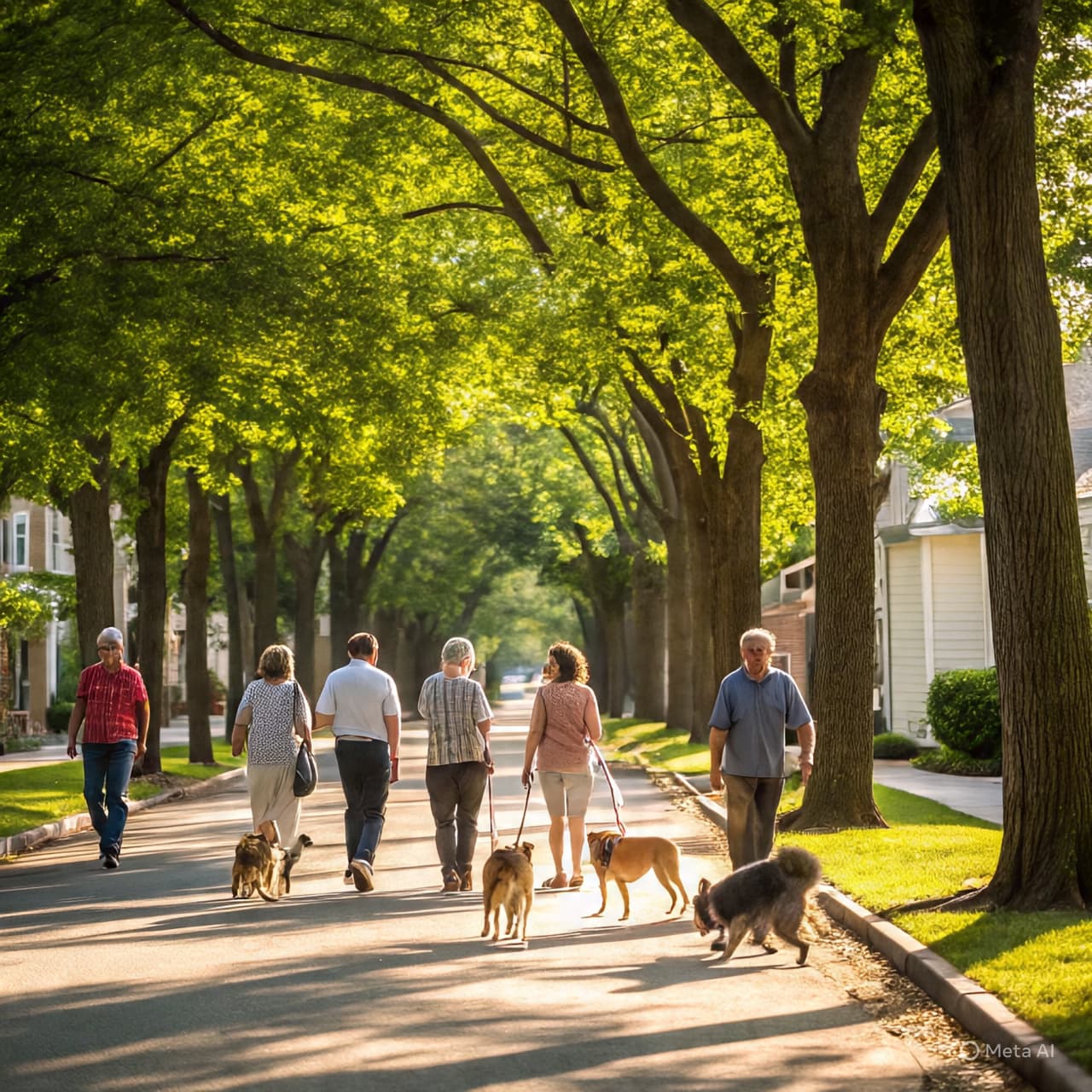
The physical character of Old Dominion — defined by its walkable streets, dog‑friendly paths, and proximity to local businesses and Marymount University — nurtures these social bonds. Daily routines, like walking dogs along the Custis Trail or greeting familiar faces outside a favorite café, become occasions for conversation and connection. These small rituals reinforce a broader sense of belonging even as the wider city around it continues to grow and change.
Housing in Old Dominion — from well‑kept Cape Cods and Colonials to modest townhomes — further reflects this blend of history and community evolution. Sales show a mix of young families and downsizing longtime residents choosing this neighborhood for its character and cohesion. The annual Fourth of July celebration, complete with a kids’ bike parade and a visit from Fire Station 8 crews, is more than a tradition — it is a vivid expression of collective life, a reminder that public events can strengthen private ties.
As Arlington adapts to broader growth and demographic shifts, neighborhoods like Old Dominion offer insight into how community advocacy and neighborly cooperation can shape local life. Civic leaders and residents alike continue to focus on achieving long‑held goals — including the creation of a neighborhood park — while preserving the historic charm and social fabric that define this part of Arlington. With each local cause advanced and every neighbor engaged, the sense of community here deepens, illustrating how urban neighborhoods can remain close‑knit even amid change.
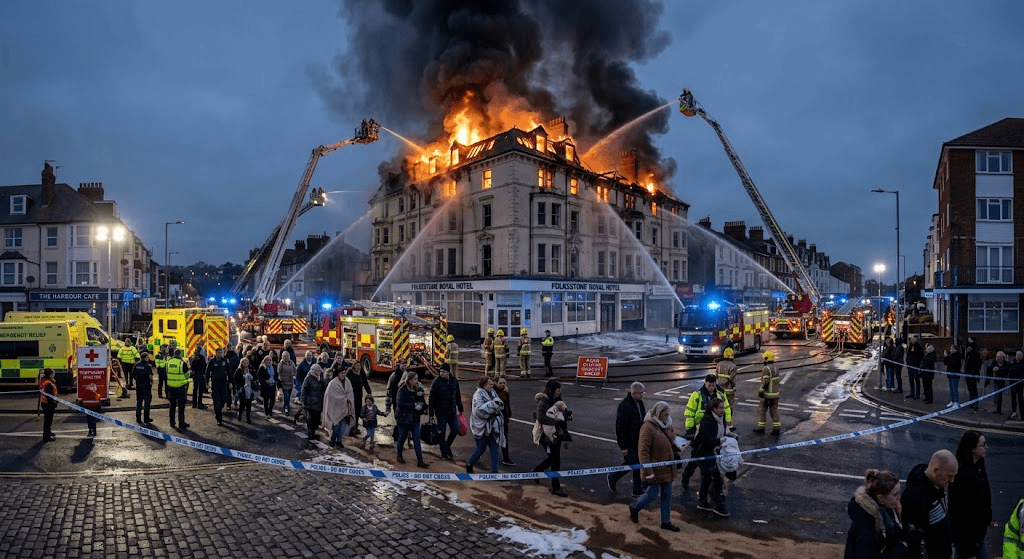
AI Image Disclaimer “Visuals are created with AI tools and are not real photographs.”
Sources The Washington Post — “In Arlington, Va.’s Old Dominion, neighbors bond over local causes”
Published by Banx Network. This article is part of the Banx decentralized media programme, powered by the BXE token on the XRP Ledger.