
Key Highlights
- U.S. embassies in the Middle East closed due to security risks.
- Citizens urged to leave as tensions rise between Iran and Israel.
- Regional governments emphasize commitment to protect diplomatic missions.
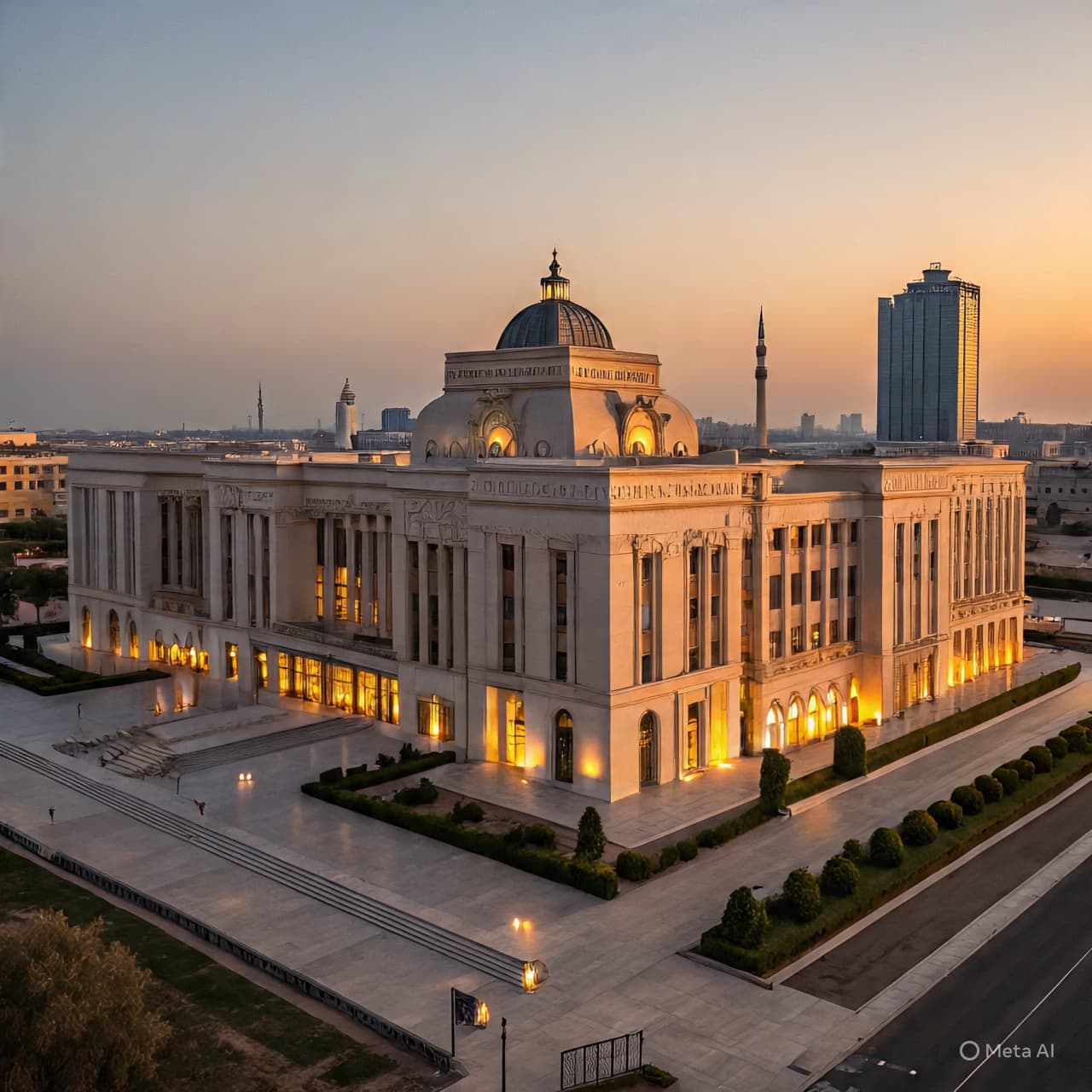
In many Middle Eastern capitals, embassies are built like quiet fortresses—set back from the street, framed by high walls and patient trees. By late afternoon, the light often lingers on their facades, softening concrete into gold. On ordinary days, diplomats move in and out with folders tucked under their arms, local staff exchange greetings at security gates, and the hum of consular work continues behind glass.
This week, however, some of those gates closed earlier than usual. The United States announced the temporary closure of several embassies and consulates across parts of the Middle East, citing heightened security risks amid escalating regional tensions. In parallel, the State Department urged American citizens to leave certain countries while commercial travel routes remain available. The advisories, delivered in formal language and posted across official channels, carried an unmistakable undertone of urgency.
In cities stretching from the Levant to the Gulf, the ripple was administrative but deeply symbolic. An embassy is more than an office; it is a small piece of one nation set within another. When operations pause, even temporarily, it signals that the atmosphere outside has grown uncertain enough to warrant retreat behind reinforced doors—or beyond them altogether.
Officials in Washington pointed to credible threats tied to the widening confrontation involving Iran and Israel, as well as activity by Iran-aligned groups in several theaters. In recent days, rocket and drone incidents have been reported near sites hosting U.S. personnel in Iraq and Syria. Maritime security concerns in the Red Sea and the Gulf have further complicated the regional picture. The decisions, according to the State Department, are precautionary measures designed to protect diplomats and private citizens.
In Baghdad, where the U.S. Embassy compound sits along the Tigris River, security has long been layered and visible. In Beirut, where politics and geopolitics often intersect in narrow streets, diplomatic missions operate under watchful protocols shaped by history. In the Gulf capitals—Abu Dhabi, Doha, Riyadh—glass towers and manicured boulevards offer a modern skyline, yet contingency plans remain part of daily governance. The closures and drawdowns do not suggest imminent collapse, but they do reflect a recalibration of risk.
Airlines reported a modest uptick in bookings on outbound routes. Some Americans, long accustomed to life abroad, weighed departure against professional and personal commitments. Others, tourists and short-term workers, packed quickly. Social media filled with practical questions about flights, border crossings, and travel insurance. The rhythm of departure is rarely dramatic; it is often logistical—suitcases zipped, pets arranged for, goodbyes spoken in hallways.
Regional governments responded with a mix of reassurance and caution. Host nations emphasized their commitment to protecting diplomatic missions under international law, even as they acknowledged the broader volatility. The United Nations called for restraint and de-escalation, its appeals echoing through a landscape already dense with statements.
Behind these movements lies a longer arc of U.S. engagement in the Middle East—decades of alliances, interventions, negotiations, and cultural exchange. Embassies have weathered wars and uprisings before, sometimes closing for weeks, sometimes for years. Each closure becomes a marker in a larger narrative of presence and withdrawal, of proximity and distance.
As evening settles again across the region, the practical facts stand clearly. The United States has closed several embassies and reduced staff in others. It has urged Americans in certain Middle Eastern countries to depart while travel remains possible. The moves follow rising tensions linked to Iran, Israel, and affiliated armed groups, as well as concerns over potential retaliatory actions.
Yet beyond the notices and advisories, the streets outside those embassy walls continue to fill at sunset. Cafés pour tea. Traffic gathers at familiar intersections. Life, in its steady insistence, presses forward. The gates may be shut for now, but the region’s story—layered, resilient, and restless—remains open, waiting for calmer hours to return.
Published by Banx Network. This article is part of the Banx decentralized media programme, powered by the BXE token on the XRP Ledger.



