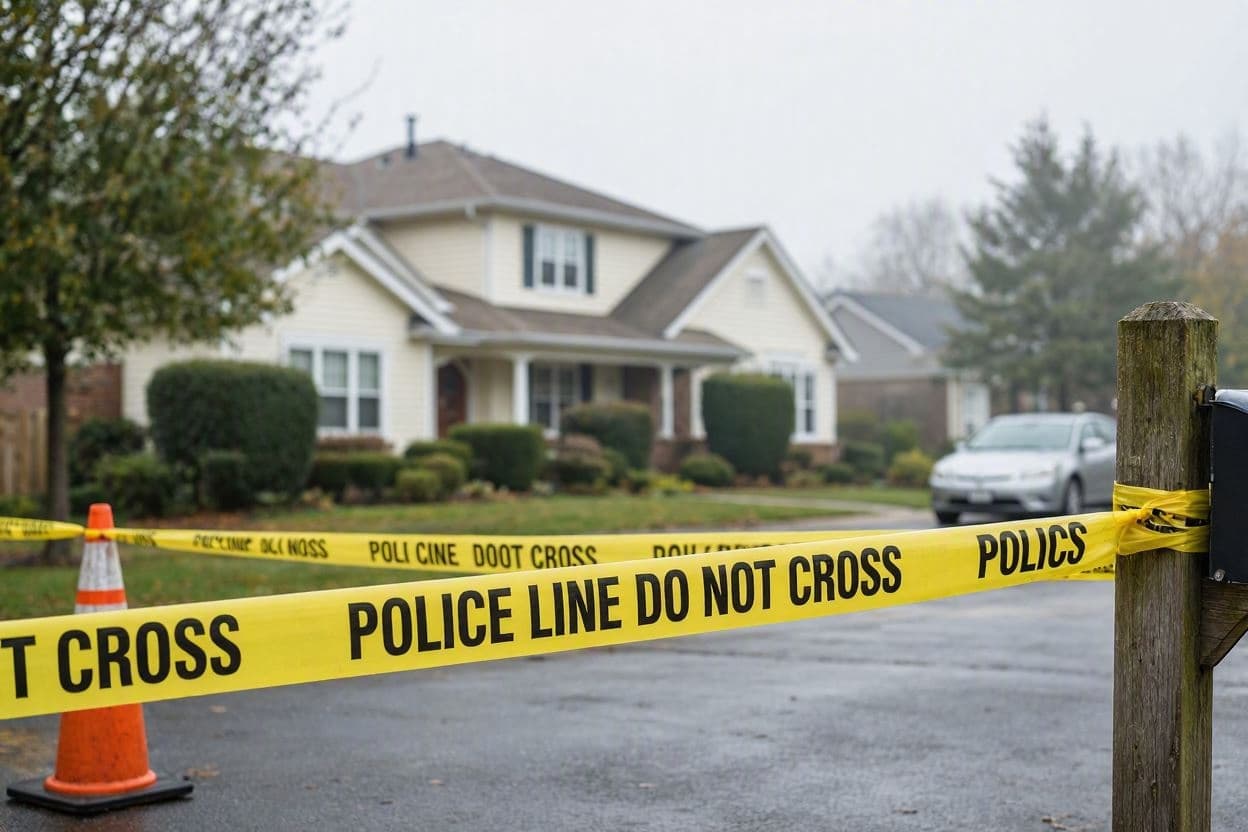
Youth crime often sparks a complex mix of concern, frustration, and empathy within a community. In Toronto, recent arrests of four teenagers linked to a series of break-ins and vehicle thefts have drawn attention to the challenges facing young people and the justice system. The scale of the alleged offenses—more than 50 break-ins—is significant, yet the age of the suspects invites reflection on the root causes of such behavior. This situation is not just a legal matter; it is a societal prompt to consider how we guide, support, and hold accountable the next generation. It asks us to look beyond the headlines to the broader context of youth development.
The charges stem from a coordinated investigation by Toronto Police, who identified a pattern of property crimes across several neighborhoods. The recovery of seven stolen vehicles is a tangible success for law enforcement, returning property to its owners and disrupting the criminal activity. However, the involvement of minors in such a high volume of offenses raises questions about prevention and intervention. Authorities are working to understand the motivations and circumstances that led these teens to engage in illegal acts.
For the victims, the break-ins represent a violation of personal security and privacy. The emotional impact of having one’s home entered can be lasting, creating a sense of vulnerability. Community members have expressed shock and concern, urging for stronger measures to protect properties and deter juvenile crime. Neighborhood watch groups and local associations are reinforcing safety tips and encouraging vigilance among residents.
The justice system faces the delicate task of balancing accountability with rehabilitation. For teenage offenders, the goal is often to correct behavior and provide opportunities for positive change rather than solely imposing punishment. Programs focused on education, mentorship, and skill-building can help steer young people away from crime. The effectiveness of these interventions depends on adequate resources and community support.
Social factors such as poverty, lack of opportunity, and peer pressure often play a role in youth crime. Addressing these underlying issues requires a collaborative effort from schools, social services, and families. Preventive measures are crucial in stopping the cycle of offending before it begins. Investing in youth programs and mental health support can create a safer environment for all.
Police officials have emphasized the importance of community cooperation in solving these cases. Tips from the public can lead to breakthroughs in investigations and help identify patterns. Building trust between law enforcement and young people is also essential, fostering an environment where teens feel comfortable seeking help rather than turning to crime. This relational approach is key to long-term safety.
The media coverage of the incident has sparked a broader debate on juvenile justice reform. Some advocate for stricter penalties, while others call for more supportive interventions. Finding the right balance is challenging but necessary for a fair and effective system. Public discourse on this topic can influence policy changes and resource allocation.
As the legal proceedings move forward, the focus remains on justice for the victims and rehabilitation for the accused. The hope is that this incident serves as a wake-up call for comprehensive youth support strategies. By addressing the root causes, society can help young people make better choices and contribute positively to their communities.
The charging of four Toronto teens in connection with numerous break-ins highlights the complexities of youth crime. It calls for a balanced approach of accountability and support. Let us work together to guide young people toward positive futures.
AI Image Disclaimer: Please be aware that images used in this context are AI-generated visualizations for illustrative purposes.
Sources: Toronto Police Service CBC News Toronto The Toronto Star
Published by Banx Network. This article is part of the Banx decentralized media programme, powered by the BXE token on the XRP Ledger.