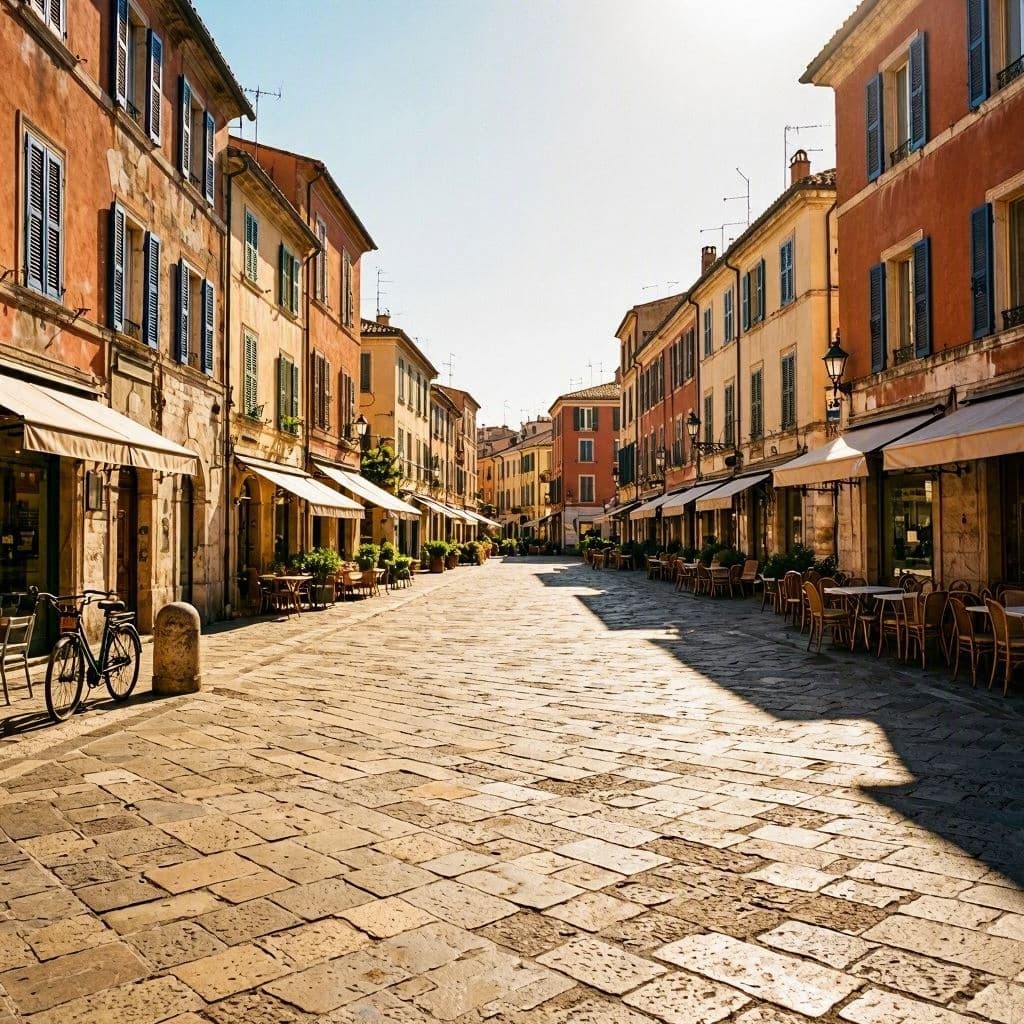
The summer sun, once a gentle companion, has transformed into an unyielding force across the European continent. As August unfolds, a fourth major heat wave is settling over the region, bringing with it temperatures that challenge both infrastructure and endurance. From the Mediterranean coast to the heart of Central Europe, the air shimmers with heat, and the ground cracks under the strain. This is not merely a weather event; it is a recurring chapter in a changing climate narrative, urging societies to adapt with resilience and care. The sky remains clear, but the intensity of its light carries a weight that demands attention and preparation.
Meteorologists report that an atmospheric "heat dome" is locking high temperatures over Western and Central Europe, driving mercury levels well above 40 degrees Celsius in some areas. Countries like Spain, Italy, and France have issued red alerts, warning citizens of the health risks associated with such extreme conditions. The phenomenon is fueled by record-high sea surface temperatures and persistent high-pressure systems that trap hot air from North Africa. It is a complex meteorological dance that results in prolonged periods of sweltering heat, affecting millions of people.
The impact on daily life is profound. Cities are implementing emergency measures, such as opening cooling centers and adjusting public transport schedules to protect vulnerable populations. Outdoor workers face heightened risks, prompting calls for stricter labor protections during peak heat hours. Schools and businesses may alter their hours to avoid the hottest parts of the day, reflecting a shift in how society operates under these new climatic realities. The rhythm of life slows down, dictated by the sun’s relentless power.
Wildfires remain a significant concern, particularly in southern regions where dry vegetation acts as tinder. Firefighters are battling blazes in Greece, Italy, and Portugal, often with limited resources and exhausting conditions. The smoke from these fires adds another layer of hazard, affecting air quality and respiratory health. Communities are urged to remain vigilant, avoiding activities that could spark flames and reporting any signs of fire immediately.
Health authorities emphasize the importance of hydration, staying indoors during peak hours, and checking on elderly neighbors. Heat exhaustion and heatstroke are serious risks, especially for those with pre-existing conditions. Public awareness campaigns are crucial in mitigating these dangers, providing simple yet life-saving advice. The collective effort to stay safe is a testament to community solidarity in the face of environmental stress.
Looking ahead, scientists warn that such heat waves may become more frequent and intense. Adaptation strategies, including urban greening and improved building insulation, are essential for long-term resilience. The current crisis serves as a stark reminder of the need for global climate action, but also for local preparedness. Each summer brings new challenges, requiring innovation and cooperation.
Europe’s response to the latest heat wave highlights the growing need for adaptation in a warming world. As temperatures soar, the focus remains on protecting public health and managing environmental risks. By staying informed and prepared, communities can navigate these difficult conditions with greater safety and resilience.
AI Image Disclaimer: The visual elements accompanying this report are AI-generated interpretations designed to reflect the atmospheric and environmental context of the story.
Sources: The Guardian Euronews Severe Weather Europe
Published by Banx Network. This article is part of the Banx decentralized media programme, powered by the BXE token on the XRP Ledger.