
Key Highlights
- Ports along the U.S. West Coast are resuming normal operations after weeks of disruptions.
- Increased labor shifts and better scheduling have reduced congestion.
- Retailers expect improved inventory levels as cargo movement stabilizes.
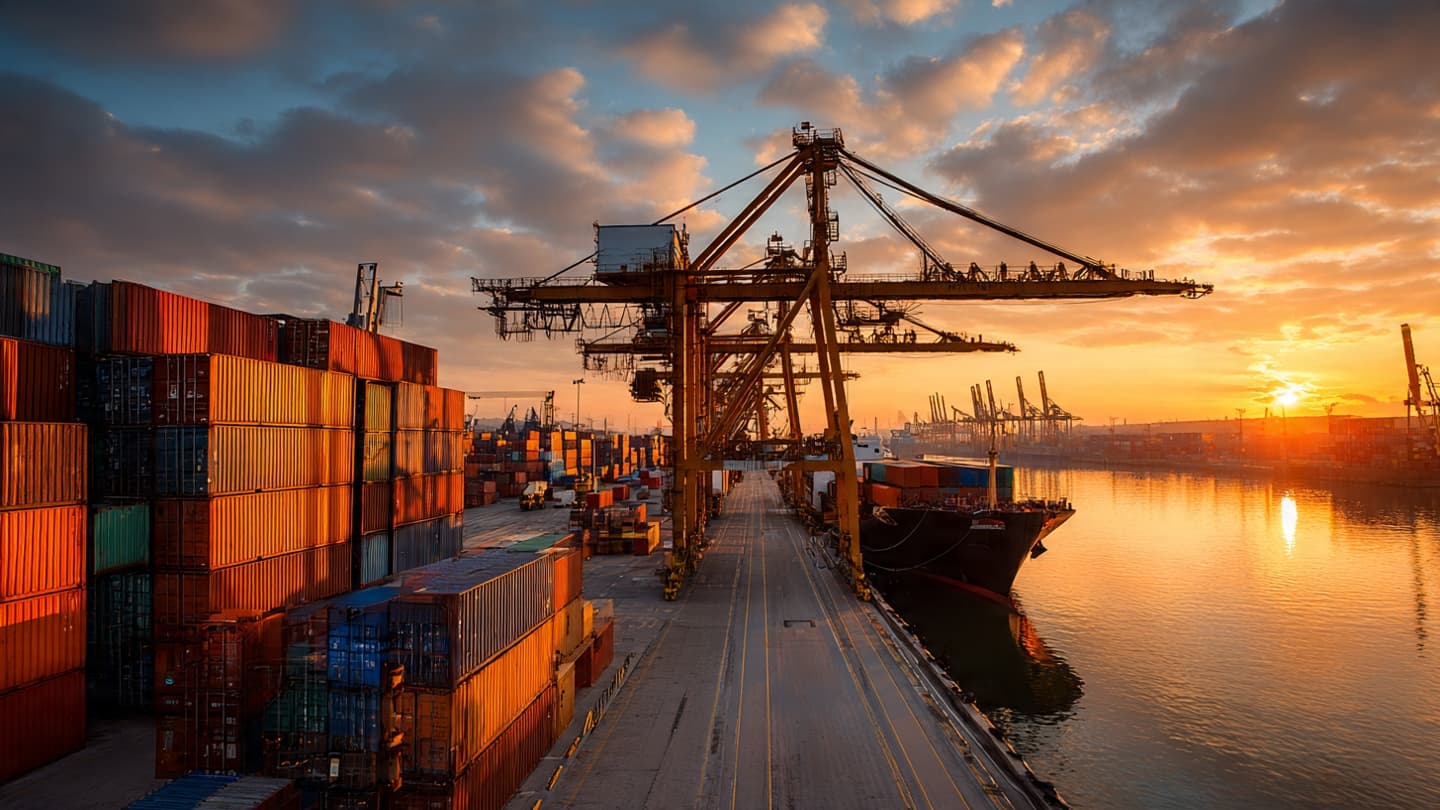
After experiencing weeks of logistical disruptions, major ports along the U.S. West Coast are gradually returning to normal operations. Cargo ships are once again moving through busy terminals, allowing supply chains to recover from recent delays. The disruptions had previously caused significant challenges for businesses relying on timely deliveries, but recent improvements signal a positive shift in operations.
Port authorities have worked closely with shipping companies, trucking firms, and warehouse operators to reduce congestion. Additional labor shifts and improved scheduling have helped accelerate the movement of goods across the region. These collaborative efforts have been crucial in addressing the backlog that had built up due to various factors, including labor shortages and increased demand for imports.
Businesses that rely on imported products are beginning to see more stable delivery times. Retailers expect inventory levels to improve as containers continue reaching distribution centers throughout the country. This stabilization is particularly important as many retailers prepare for the upcoming holiday season, where timely inventory is essential for meeting consumer demand.
Industry experts say global trade remains vulnerable to unexpected disruptions, including severe weather, labor shortages, and transportation challenges. As a result, many companies are investing in more flexible supply chain strategies to mitigate risks. This proactive approach is aimed at ensuring that businesses can adapt to unforeseen circumstances that may impact logistics in the future.
Although operations have improved significantly, logistics providers continue monitoring conditions carefully. Officials remain optimistic that stronger coordination and digital technology will help maintain efficient cargo movement in the months ahead. The integration of technology into logistics operations is seen as a key factor in enhancing efficiency and responsiveness to market changes.
As the situation evolves, stakeholders in the shipping and logistics sectors are hopeful that the lessons learned from these disruptions will lead to more resilient supply chains. The focus on collaboration and innovation may pave the way for a more robust logistics framework that can withstand future challenges.
Published by Banx Network. This article is part of the Banx decentralized media programme, powered by the BXE token on the XRP Ledger.



