
Key Highlights
- Wildfires are threatening northern Paraguay due to prolonged dry conditions.
- Emergency agencies are monitoring and responding to active fire zones.
- Communities are taking measures to protect homes and livestock from advancing flames.
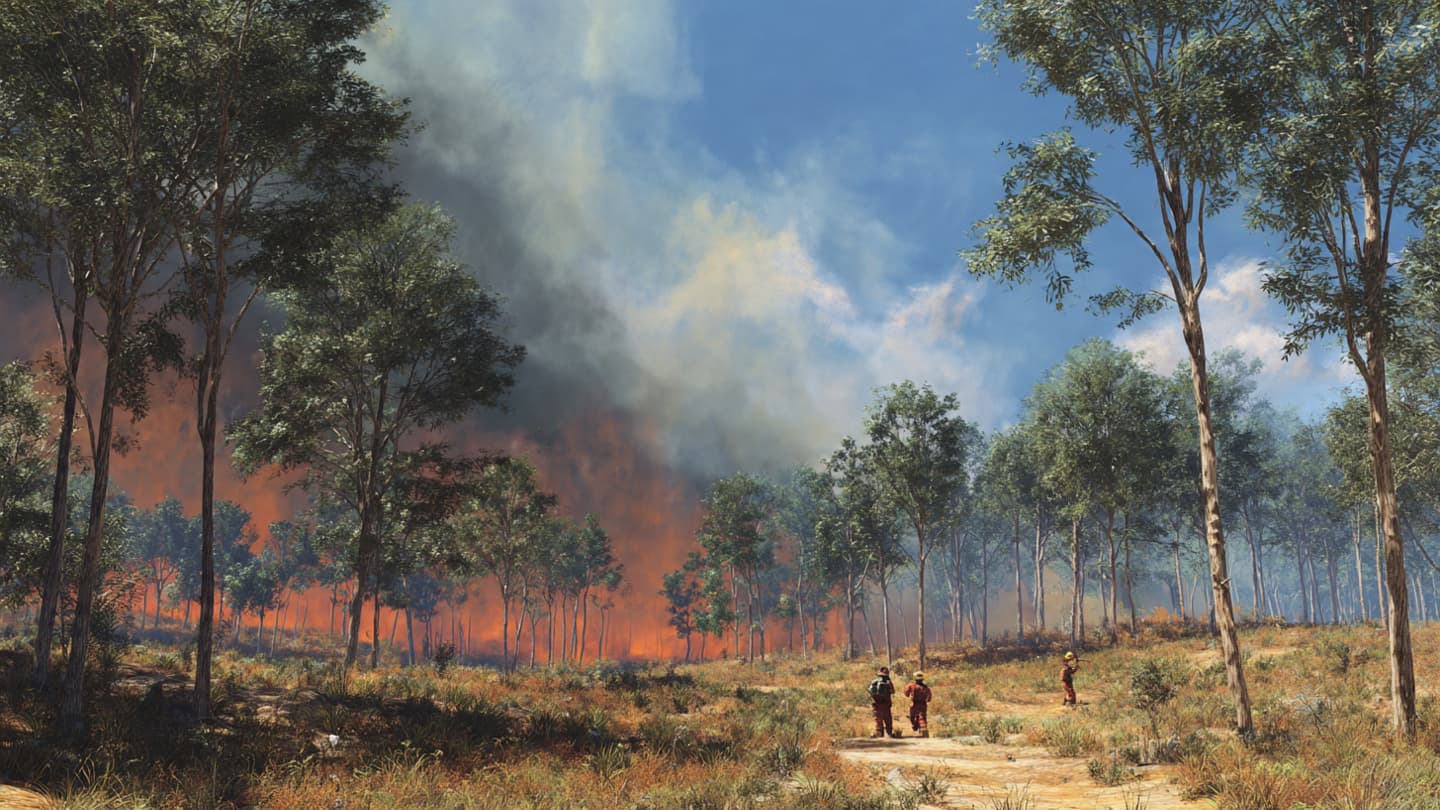
In northern Paraguay, the landscape has become increasingly vulnerable as wildfires threaten to engulf the region. Following weeks of intense heat and minimal rainfall, the forest floor has dried out, creating a perfect environment for fires to ignite and spread. Authorities have issued warnings about the expanding wildfire risks, particularly in areas where dry forest meets agricultural land.
Emergency agencies have ramped up monitoring efforts as isolated fires have begun to merge into larger burn zones. Firefighters are actively engaged in battling flames that are consuming grasslands and low-lying forest vegetation. The situation has been exacerbated by strong seasonal winds, which not only fan the flames but also carry embers across considerable distances, creating new ignition points in vulnerable areas.
Local residents have reported seeing distant orange glows illuminating the night sky, a stark reminder of the danger that looms just beyond their properties. Many have taken proactive measures, working alongside volunteer crews to establish firebreaks and clear vegetation around their homes and livestock areas. The community's response has been characterized by a sense of urgency, yet it remains measured, with residents gathering at local fire stations for updates and support.
The ecological impact of these wildfires is a growing concern for environmental agencies. The fires threaten not only the immediate landscape but also the wildlife that inhabits these forest ecosystems, which are already stressed by seasonal drought conditions. As burn zones expand, the displacement of wildlife and damage to grazing areas for livestock become pressing issues that could have long-term repercussions for the region's biodiversity.
Despite the challenges posed by the wildfires, the atmosphere in many rural communities has remained calm. Residents have mobilized to transport water tanks and prepare for potential evacuations, demonstrating resilience in the face of adversity. As the situation evolves, emergency officials have confirmed that firefighting efforts will continue throughout the night, with weather authorities closely monitoring changing wind patterns that could influence fire behavior.
As Paraguay grapples with these wildfires, the need for effective response strategies and community preparedness becomes increasingly critical. The ongoing situation serves as a stark reminder of the challenges posed by climate change and the importance of safeguarding both human and ecological communities in the face of natural disasters.
Published by Banx Network. This article is part of the Banx decentralized media programme, powered by the BXE token on the XRP Ledger.



