
Key Highlights
- Initiative:Maersk expands green shipping corridors to Southeast Asia.
- Goal:Reduce maritime emissions through cleaner fuels and collaboration.
- Impact:Aims to transform trade routes while addressing environmental concerns.
The maritime industry is witnessing a significant shift as a major Danish shipping company, spearheaded by Maersk, embarks on an initiative to expand green shipping corridors into Southeast Asia. This strategic move aims to reduce emissions along key maritime routes by implementing cleaner fuels and enhancing vessel efficiency, all while fostering international collaboration among ports and shipping companies.
Green corridors are not merely a concept; they represent a focused approach to transforming specific shipping routes into environmentally friendly pathways. By concentrating efforts on particular corridors, stakeholders can adopt shared standards and technologies that prioritize lower emissions. This method allows for the testing and scaling of innovative practices without the need for an immediate overhaul of the entire global shipping network.
Southeast Asia plays a pivotal role in global trade, serving as a crucial hub for the movement of goods between manufacturing centers and markets worldwide. The integration of green corridors in this region presents both opportunities and challenges. It necessitates coordination among various countries, regulatory frameworks, and logistical networks to ensure that all parties involved can effectively implement the necessary changes.
Transitioning to cleaner fuels, such as methanol and other low-carbon alternatives, is a gradual process that requires significant technological advancements and the establishment of robust supply chains. Ports must upgrade their infrastructure to accommodate new fuel types, while vessels may need to be retrofitted or replaced to meet the evolving standards. Furthermore, agreements must be forged to maintain consistency and reliability along these green corridors.
Collaboration is at the heart of this initiative. Shipping companies, port authorities, governments, and international organizations must work together to create an environment conducive to the successful operation of green corridors. This effort emphasizes alignment among all stakeholders, ensuring that each component of the maritime network functions in harmony with the others.
As global awareness of climate change intensifies, the maritime industry faces mounting pressure to reduce its carbon footprint. Shipping accounts for a significant portion of international transport-related emissions, making the adoption of green corridors a vital step toward sustainability. By focusing on specific routes and fostering cooperation, the industry can make meaningful progress in addressing environmental concerns while maintaining the flow of global trade.
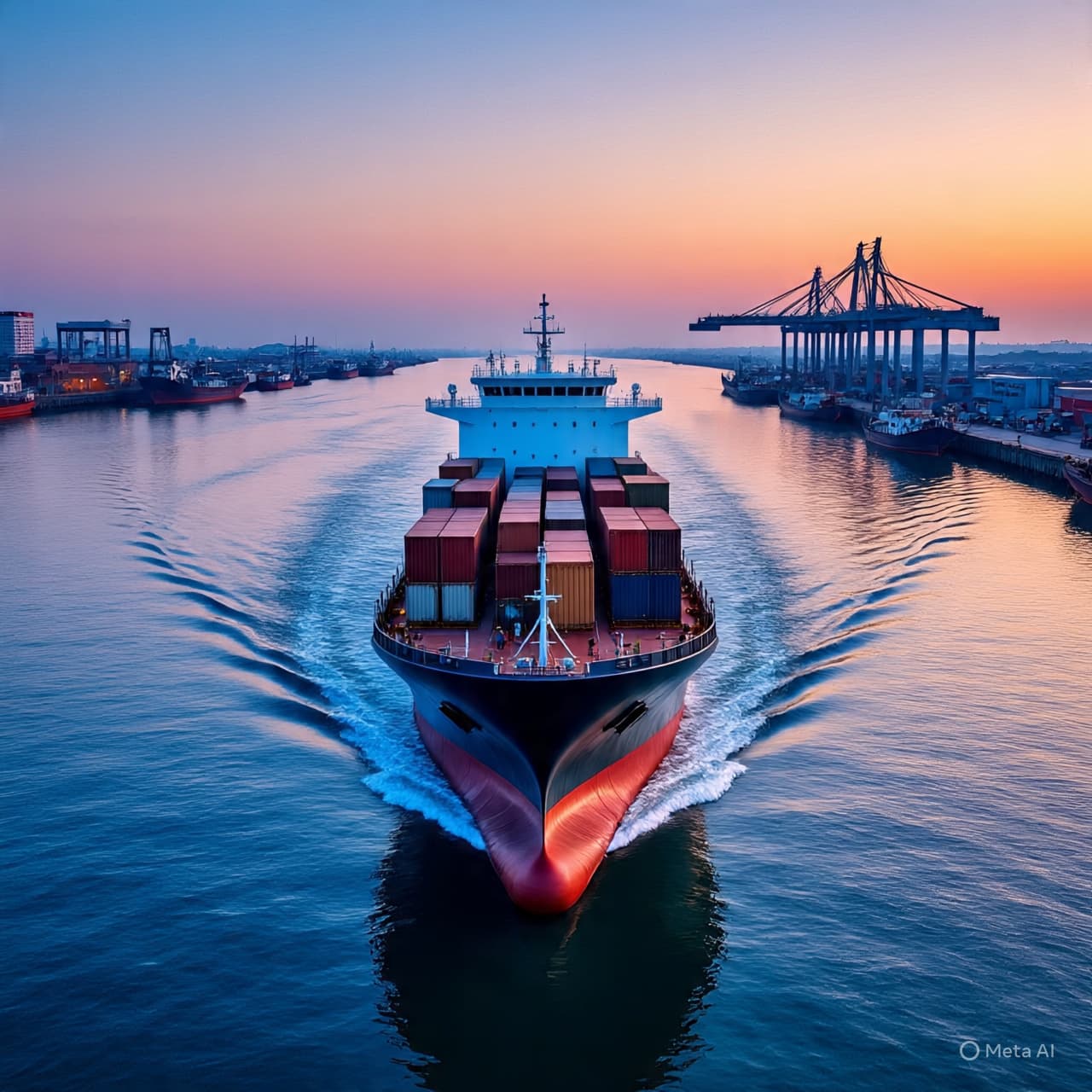
While the transformation may not be immediately apparent to those observing from the shore, the underlying changes are significant. Ships continue their operations, but the journey is evolving, influenced by decisions made far beyond the horizon. The expansion of green corridors into Southeast Asia represents a crucial step in balancing trade with environmental responsibility, marking a steady progression toward a more sustainable future in maritime transport.
In conclusion, the initiative led by Maersk to establish green shipping corridors in Southeast Asia is a promising development in the quest for a greener maritime industry. By prioritizing cleaner fuels and fostering international partnerships, this effort aims to reshape the future of shipping while addressing the pressing issue of climate change.
Published by Banx Network. This article is part of the Banx decentralized media programme, powered by the BXE token on the XRP Ledger.



