Along the southern hills of Lebanon, the landscape carries memory in a way that is not always visible. Olive trees grow where boundaries once shifted, and villages rest in places that have known both quiet and upheaval. The terrain appears still, yet beneath that stillness lies a history that continues to inform the present.
In recent days, attention has returned to this border region following proposals from Israel suggesting the possible seizure of parts of southern Lebanon as a form of security buffer. The idea, presented within the language of defense, has drawn concern from analysts and observers who note its resemblance to earlier periods in the region’s history.
For many, the reference point is the 1980s—a decade during which Israel maintained a presence in southern Lebanon, shaping both the physical landscape and the broader dynamics of the conflict. That period left marks not only in infrastructure and territory, but in collective memory, where its implications continue to be revisited.
Experts now warn that a renewed move in this direction could carry echoes of that earlier era. The concept of a buffer zone, while framed in terms of immediate security, tends to extend beyond its initial purpose. Once established, such zones can become enduring features, influencing patterns of movement, governance, and local life in ways that are difficult to reverse.
At the same time, the present context differs in important respects. Regional alignments have shifted, internal dynamics within Lebanon have evolved, and the broader geopolitical environment has become more complex. Any action taken today would unfold within this altered framework, shaped by factors that did not exist decades ago.
For communities in southern Lebanon, the discussion is not abstract. It touches directly on questions of land, presence, and continuity. The possibility of territorial change carries with it the potential to reshape daily life, even before any decision is made. In such places, anticipation itself becomes part of the experience.
Internationally, the proposal is observed through the lens of stability. Governments and organizations weigh the potential consequences, considering how such a move might affect an already fragile balance. Statements tend to emphasize restraint, reflecting a broader concern that actions on the ground could lead to wider escalation.
Within Israel, the discussion reflects ongoing security considerations, shaped by tensions along the border and the desire to reduce threats. The language of defense, often used in such contexts, underscores the complexity of decisions that must account for both immediate risks and longer-term outcomes.
And so the moment unfolds between past and possibility. The landscape remains unchanged for now, yet the conversation surrounding it introduces a sense of movement—one that exists not in geography, but in intention.
As the situation develops, the facts remain measured. Israel has proposed the potential seizure of parts of southern Lebanon as a defensive buffer, prompting concern among experts who warn it could echo the dynamics of the 1980s occupation period. No final decision has been implemented, and the implications continue to be assessed.
In places where history lingers close to the surface, such moments are rarely viewed in isolation. They are understood instead as part of a longer continuum—where each step forward carries the weight of what came before.
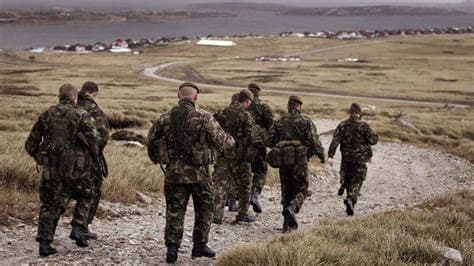
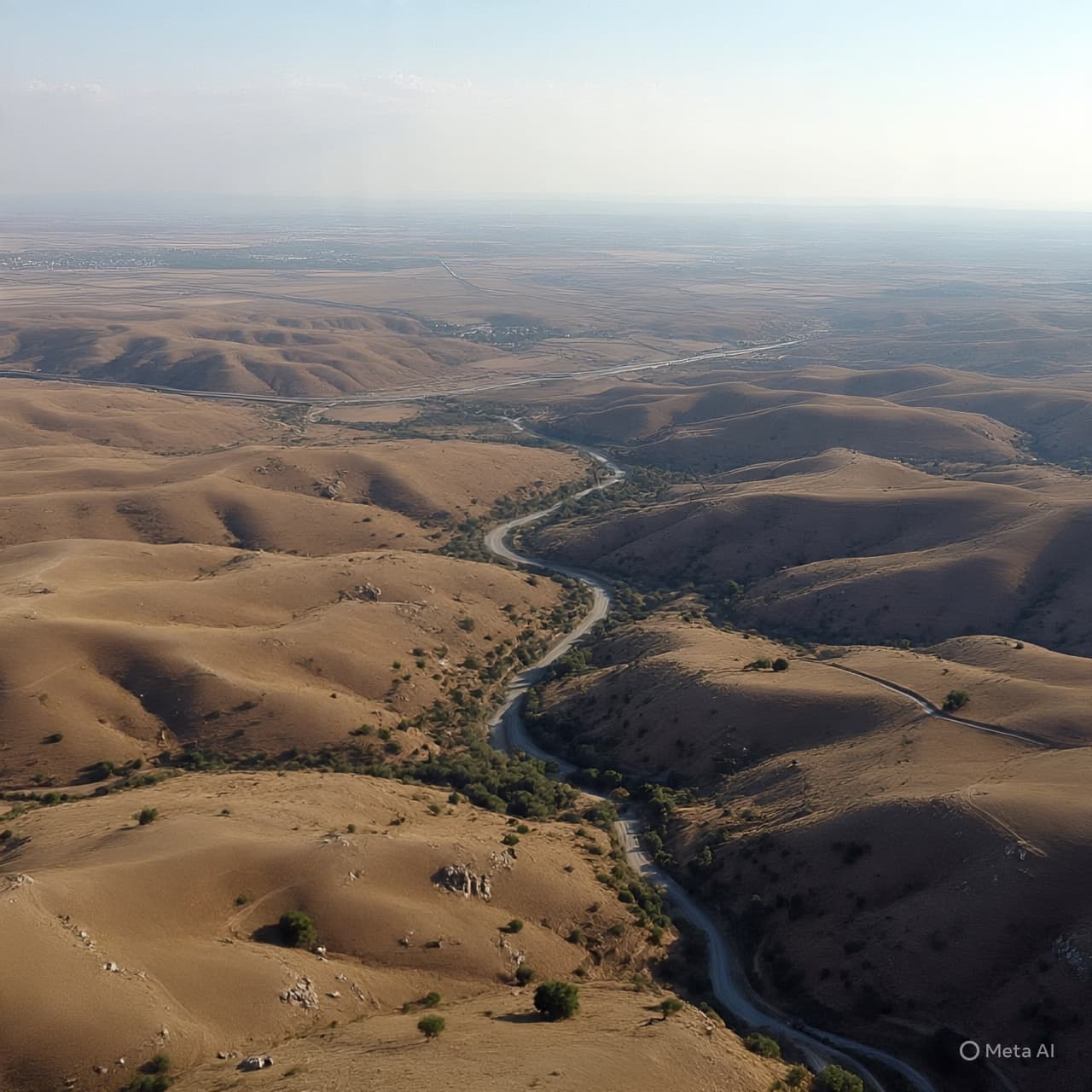
AI Image Disclaimer Visuals are AI-generated and serve as conceptual representations.
Sources Reuters BBC News Al Jazeera The Guardian Associated Press
Published by Banx Network. This article is part of the Banx decentralized media programme, powered by the BXE token on the XRP Ledger.