
Key Highlights
- Israel has proposed the potential seizure of parts of southern Lebanon as a security buffer.
- Analysts warn this could echo the dynamics of the 1980s occupation period.
- The situation is being closely monitored by international governments and organizations.
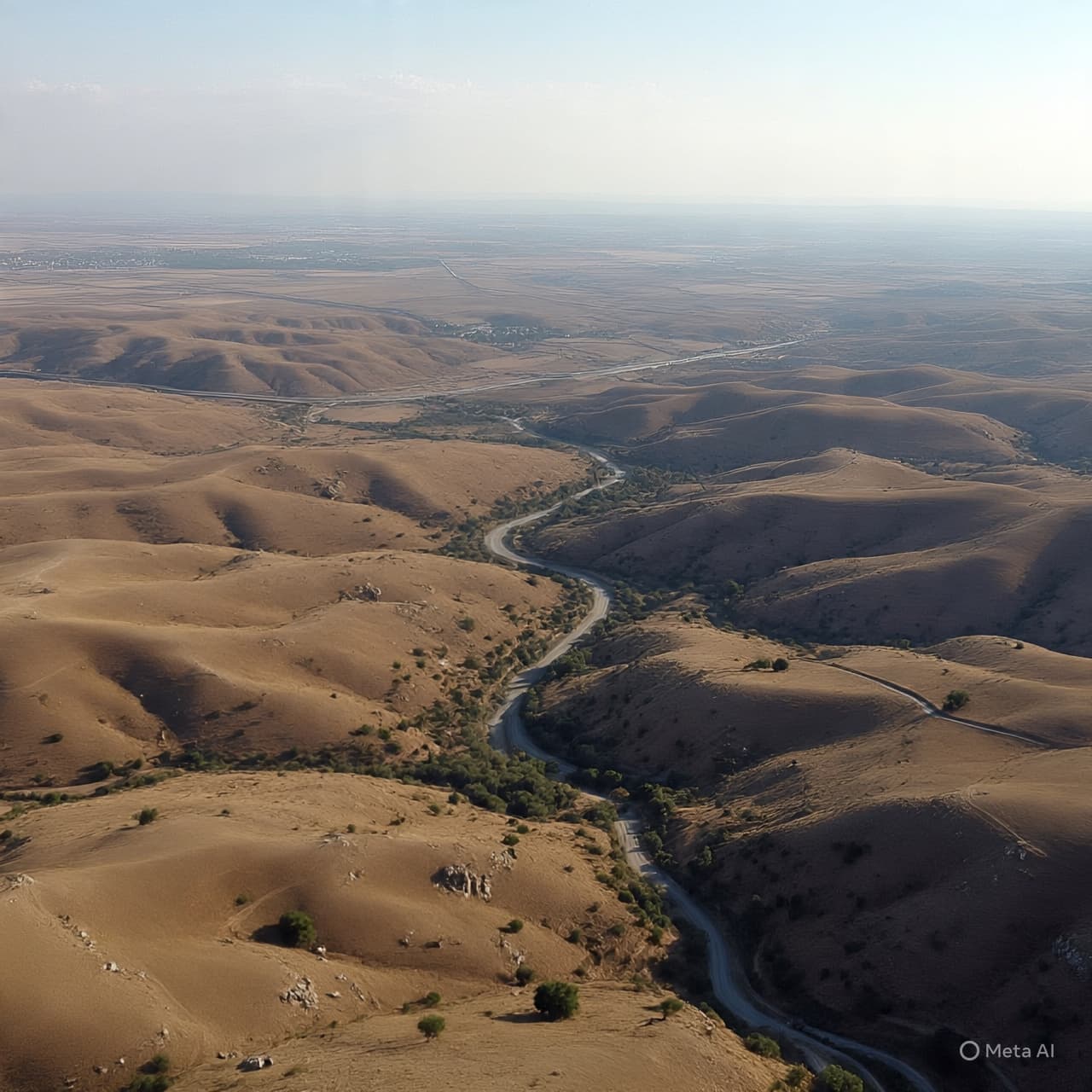
The southern hills of Lebanon are steeped in history, where olive trees stand as silent witnesses to shifting boundaries and the ebb and flow of conflict. Recent discussions have reignited interest in this region, particularly following Israel's proposal to establish a security buffer by potentially seizing parts of southern Lebanon. This suggestion has raised alarms among analysts and observers, who draw parallels to the tumultuous 1980s, a decade marked by Israeli military presence and significant geopolitical upheaval.
During the 1980s, Israel's involvement in southern Lebanon was characterized by military operations and the establishment of a security zone that profoundly impacted the region's landscape and its people. The scars of that era are still felt today, as the collective memory of conflict shapes the perceptions and realities of those living in the area. Experts caution that the current proposal, while framed as a necessary security measure, could lead to a similar entrenchment of military presence and territorial claims, complicating the already fragile dynamics of the region.
The concept of a buffer zone, while ostensibly aimed at immediate security needs, often evolves into a long-term fixture that alters governance, movement, and daily life. Once established, such zones can become difficult to dismantle, creating a new status quo that may not align with the original intentions. This historical context is crucial for understanding the potential implications of Israel's recent proposal, as it could lead to a reconfiguration of territorial boundaries that affects local communities profoundly.
However, the current geopolitical landscape is markedly different from that of the 1980s. Shifts in regional alliances, internal political dynamics within Lebanon, and the broader international context all play significant roles in shaping the response to Israel's proposal. Any actions taken now would unfold within a complex web of factors that did not exist decades ago, making the situation more unpredictable.
For the communities in southern Lebanon, the discussions surrounding territorial changes are not merely theoretical. They resonate deeply with issues of land ownership, identity, and continuity. The prospect of altering borders evokes anxiety and anticipation, as residents grapple with the potential for significant changes to their daily lives. The conversation around these proposals is laden with historical weight, as past experiences inform current fears and hopes.
Internationally, the proposal is viewed through the lens of stability and security. Governments and organizations are weighing the potential consequences of such a move, considering how it might affect an already delicate balance in the region. Statements from various stakeholders emphasize the need for restraint, reflecting a broader concern that actions on the ground could lead to escalated tensions and conflict.
Within Israel, the discourse surrounding the proposal is shaped by ongoing security concerns, particularly regarding threats along the border. The language of defense often dominates these discussions, highlighting the complexities involved in balancing immediate security needs with the long-term ramifications of territorial changes. As the situation continues to evolve, the implications of Israel's proposal remain under careful scrutiny, with experts urging caution and consideration of historical lessons.
As the dialogue unfolds, the landscape of southern Lebanon remains unchanged for now. Yet, the conversations surrounding it signal a movement that transcends geography, rooted in intentions and historical legacies. The potential for territorial change looms large, and the stakes are high for all involved, as the past continues to inform the present and shape the future.
Published by Banx Network. This article is part of the Banx decentralized media programme, powered by the BXE token on the XRP Ledger.



