

Key Highlights
- Ongoing conflict in Iran raises concerns for Taiwan's security.
- U.S. military resources may be stretched across multiple theaters.
- Analysts debate the long-term implications for U.S. strategy in the Indo-Pacific.
The geography of war often extends beyond its immediate battlefield, echoing through global alliances and strategic considerations. The current conflict in Iran, involving the United States and Israel, has begun to resonate in the Pacific, particularly concerning Taiwan's security. As military operations intensify in the Middle East, defense analysts are increasingly focused on the potential ramifications for U.S. commitments in Asia.
The conflict has seen a significant escalation, with airstrikes and missile exchanges drawing the U.S. military back into the region. Reports indicate that advanced munitions, including precision-guided bombs and air defense systems, are being deployed extensively. This military engagement raises critical questions about the sustainability of U.S. forces, which are already stretched thin across various global commitments.
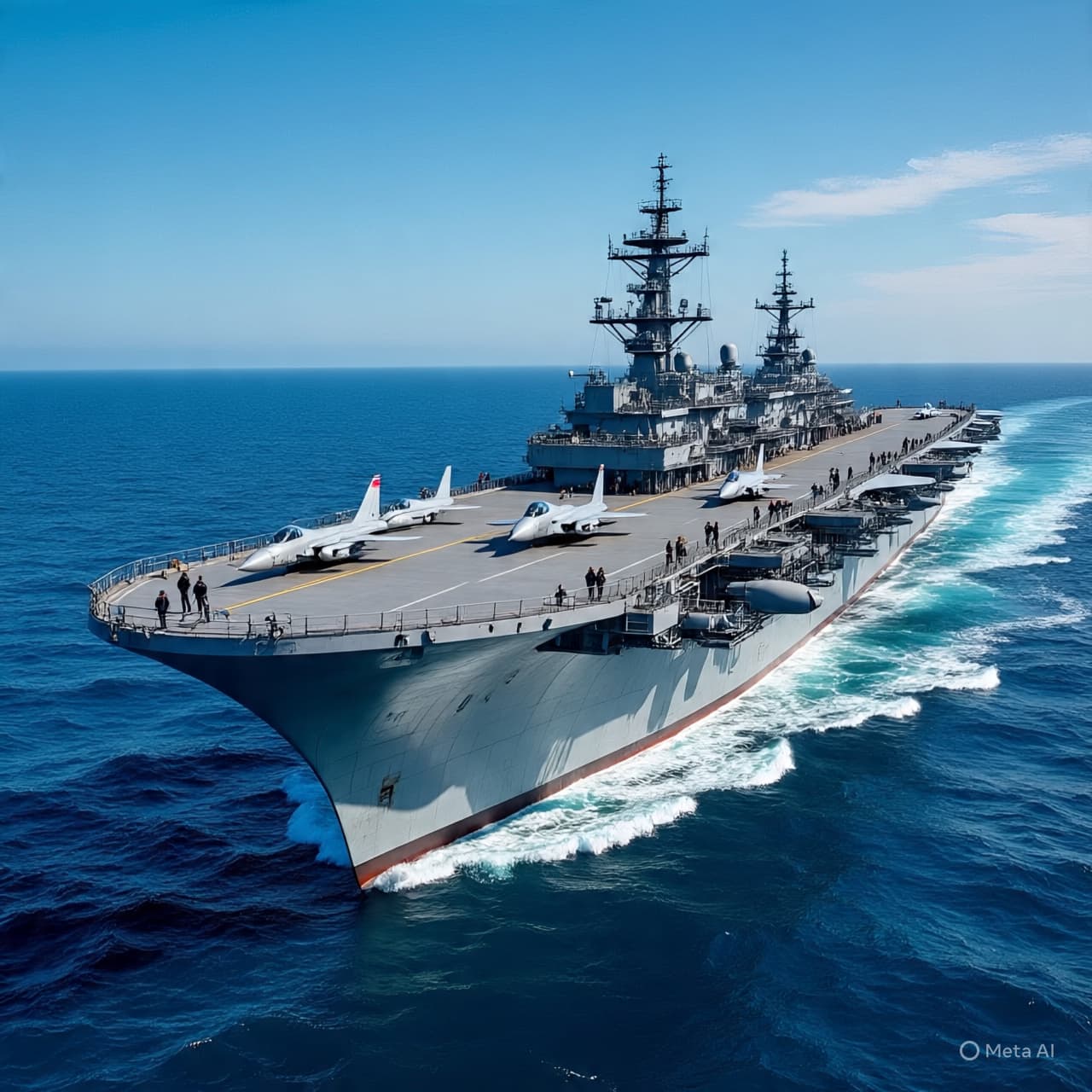
As the situation in Iran evolves, military experts warn that the U.S. may face difficult choices regarding resource allocation. The American fleet, already engaged in operations in Europe and Asia, could be further strained by a prolonged conflict in the Middle East. This scenario poses a direct threat to Taiwan, whose security heavily relies on the U.S. military's ability to respond swiftly to any aggression from China.
Moreover, the consumption of munitions in modern warfare is a pressing concern. Sustained military operations can deplete stockpiles of precision weapons, which take considerable time to replenish. This depletion could impact U.S. readiness in the Indo-Pacific, where tensions with China remain high. Analysts are closely monitoring the situation, recognizing that any significant military engagement elsewhere could influence the balance of power in Asia.
However, the implications of the Iran conflict are not solely negative for Taiwan. Some analysts argue that a decisive U.S. response in Iran could enhance deterrence in the Indo-Pacific. By demonstrating military resolve and coordination with allies, the U.S. could reinforce its commitment to regional stability. Furthermore, if the conflict in Iran subsides, it may allow for a strategic pivot back to the Indo-Pacific, where U.S. defense planners have long anticipated increased competition with China.
In Taipei, government officials are acutely aware of the shifting geopolitical landscape. Agencies are reassessing energy security, economic stability, and air-defense capabilities in light of the ongoing conflict. The potential for a reallocation of U.S. military resources could significantly alter Taiwan's security calculations.
The paradox of this situation is clear: while a war in one region may temporarily divert attention and resources from another, it can also reshape global perceptions of power and resolve. The ongoing conflict in Iran serves as a reminder that geopolitical events are interconnected, with repercussions that can ripple across oceans.
As the situation develops, officials in Washington and Asia will continue to monitor the Iran conflict closely. The duration and intensity of this war will ultimately determine its impact on security dynamics in the Indo-Pacific, particularly for Taiwan, which remains vigilant amid these uncertainties.
Published by Banx Network. This article is part of the Banx decentralized media programme, powered by the BXE token on the XRP Ledger.




