Some stories linger in the landscape long after the footsteps have faded. In Santiago, streets awaken each morning beneath the Andes, carrying the ordinary rhythm of a city that has learned to live beside its own history. Yet there are names that continue to echo across generations, not because they belong only to the past, but because they remain woven into a nation's memory. Víctor Jara is one of those names—a musician whose songs outlasted the silence imposed upon him.
More than five decades after Jara's death during the turbulent days following Chile's 1973 military coup, authorities have captured the last fugitive convicted in connection with his kidnapping, torture, and murder. Retired Army Colonel Nelson Haase Mazzei was arrested in southern Chile after remaining a fugitive since 2023, when he and several former military officers were sentenced for crimes committed against Jara and former prisons director Littré Quiroga.
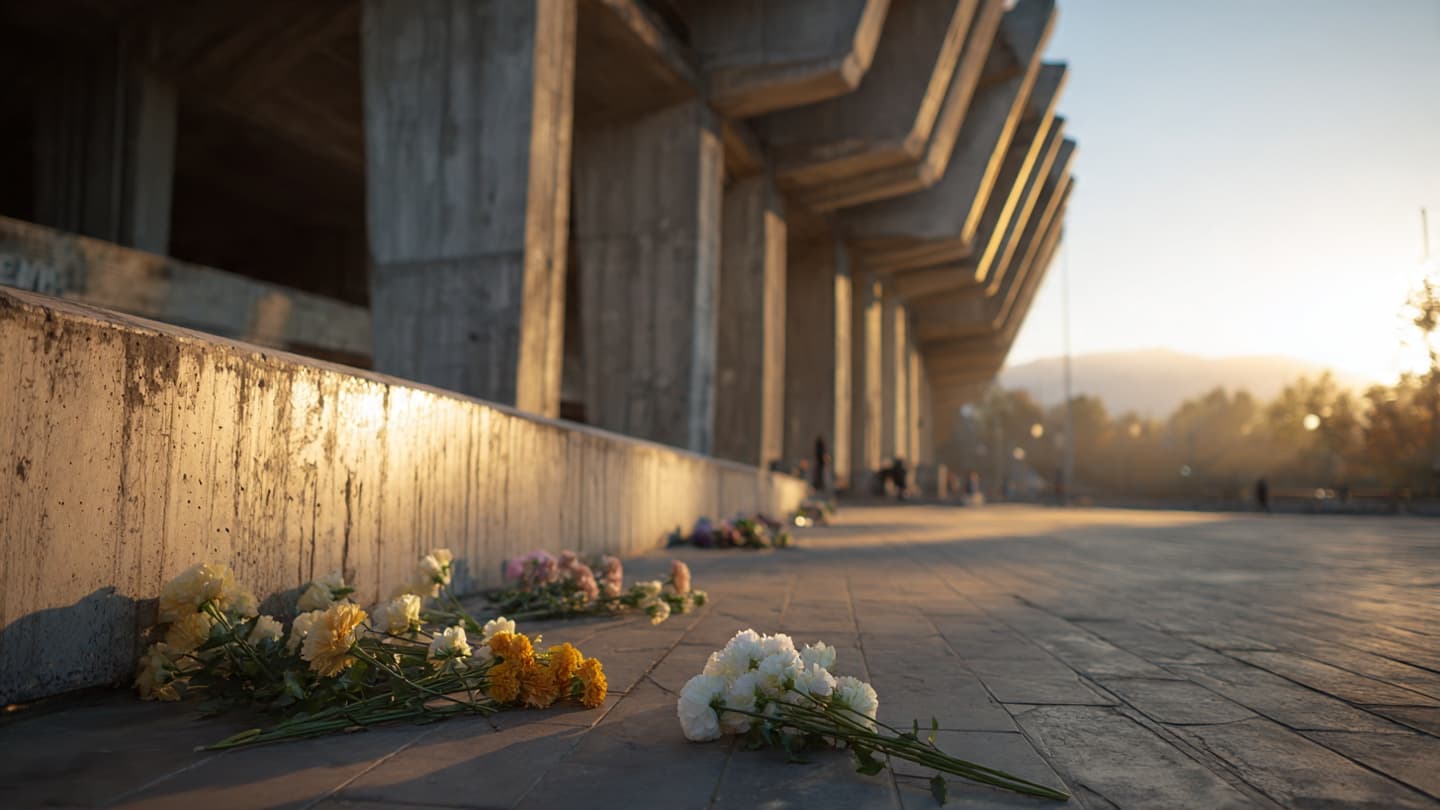
Jara had become one of the most recognizable voices of Chile's Nueva Canción movement, blending music with poetry and social reflection. Following the military takeover led by General Augusto Pinochet, he was detained at what was then known as Chile Stadium, where thousands of prisoners were held. Court findings determined that he endured severe torture before being killed, his death becoming one of the dictatorship's most enduring symbols of human rights abuses.
The capture of Haase Mazzei represents another milestone in Chile's decades-long pursuit of accountability. Convicted in absentia in 2023 and sentenced to more than 25 years in prison for the crimes against Jara and Quiroga, he had evaded authorities for nearly three years before investigators located him in the Los Lagos region. A judge ordered his immediate imprisonment following the arrest.
Justice, however, often arrives carrying both relief and sorrow. For the Víctor Jara Foundation, established by his widow Joan Jara, the arrest is meaningful but also bittersweet. More than half a century has passed since the crimes were committed, leaving generations to grow up knowing Jara less through the circumstances of his death than through the enduring power of his music. The passage of time cannot erase the losses experienced by families, but it can reaffirm a society's commitment to remembering them.
Chile has spent decades confronting the legacy of the Pinochet dictatorship, during which thousands of people were killed or disappeared and many more were imprisoned or tortured. Court proceedings, truth commissions, and historical investigations have gradually sought to establish accountability for crimes committed during those years, even as many cases required decades before reaching legal conclusions.
For many Chileans, Víctor Jara remains remembered not solely as a victim but as an artist whose work celebrated dignity, community, and hope. His songs continue to be performed in concert halls, classrooms, and public gatherings around the world, reminding listeners that culture often survives even the harshest attempts to silence it. In that sense, the music has become its own quiet witness to history.
The arrest of the final fugitive does not close every chapter left by Chile's past, but it marks another step in a long process of accountability. As legal proceedings continue, the case stands as a reminder that justice can move slowly, yet the search for truth may continue across generations. In the gentle persistence of memory, some voices never disappear—they simply find new listeners with each passing year.
AI Image Disclaimer
The accompanying illustrations were created using AI as conceptual visual representations and are not authentic photographs.
Sources
CBS News Reuters Agence France-Presse (AFP) The Guardian Chilean Judiciary
Published by Banx Network. This article is part of the Banx decentralized media programme, powered by the BXE token on the XRP Ledger.