Across the United Arab Emirates, the economic landscape extends well beyond oil fields and energy markets. Offices, factories, logistics centers, hotels and retail businesses have become increasingly important parts of the country’s commercial rhythm. In August, that non-oil economy accelerated again.
The UAE’s S&P Global Purchasing Managers’ Index rose to 55.5 in August from 54.5 in July, marking the strongest expansion since November 2024. A reading above 50 indicates that business activity is expanding. (reuters.com)
New business growth was one of the main drivers. Companies reported stronger demand, while new orders increased at their fastest rate since the beginning of 2025. The improvement suggests that businesses across the non-oil economy were seeing greater activity from customers.
Dubai continued to play an important role in that expansion. The emirate’s economy is deeply connected to trade, tourism, logistics, finance, real estate and professional services, creating multiple channels through which stronger demand can move.
The UAE’s position as a regional business and logistics center also gives its private sector exposure to international trade. Companies operating in the Emirates serve both domestic customers and markets across the Middle East, Asia, Africa and Europe.
Employment increased as business activity strengthened, although the pace of hiring remained relatively modest. Companies appear to be adding workers where demand requires it while maintaining attention to operating costs.
Input prices also remained part of the story. Firms continued to experience higher costs for some goods and services, while selling prices rose at a slower pace. That combination leaves businesses balancing stronger sales with the need to protect margins.
The improvement in activity therefore does not represent a single-sector movement. Manufacturing, services and other non-oil industries all contribute to the broader private economy, creating a more diversified commercial environment.
The latest PMI reading also comes against the backdrop of continued investment in infrastructure, tourism and technology. Those sectors have helped expand the range of economic activity taking place across the Emirates, particularly in Dubai and Abu Dhabi.
August consequently offered a clear sign of acceleration. The UAE’s non-oil private sector entered the later part of the year with stronger orders, rising activity and improving business conditions, while companies continued to navigate the cost pressures that accompany a rapidly expanding market.
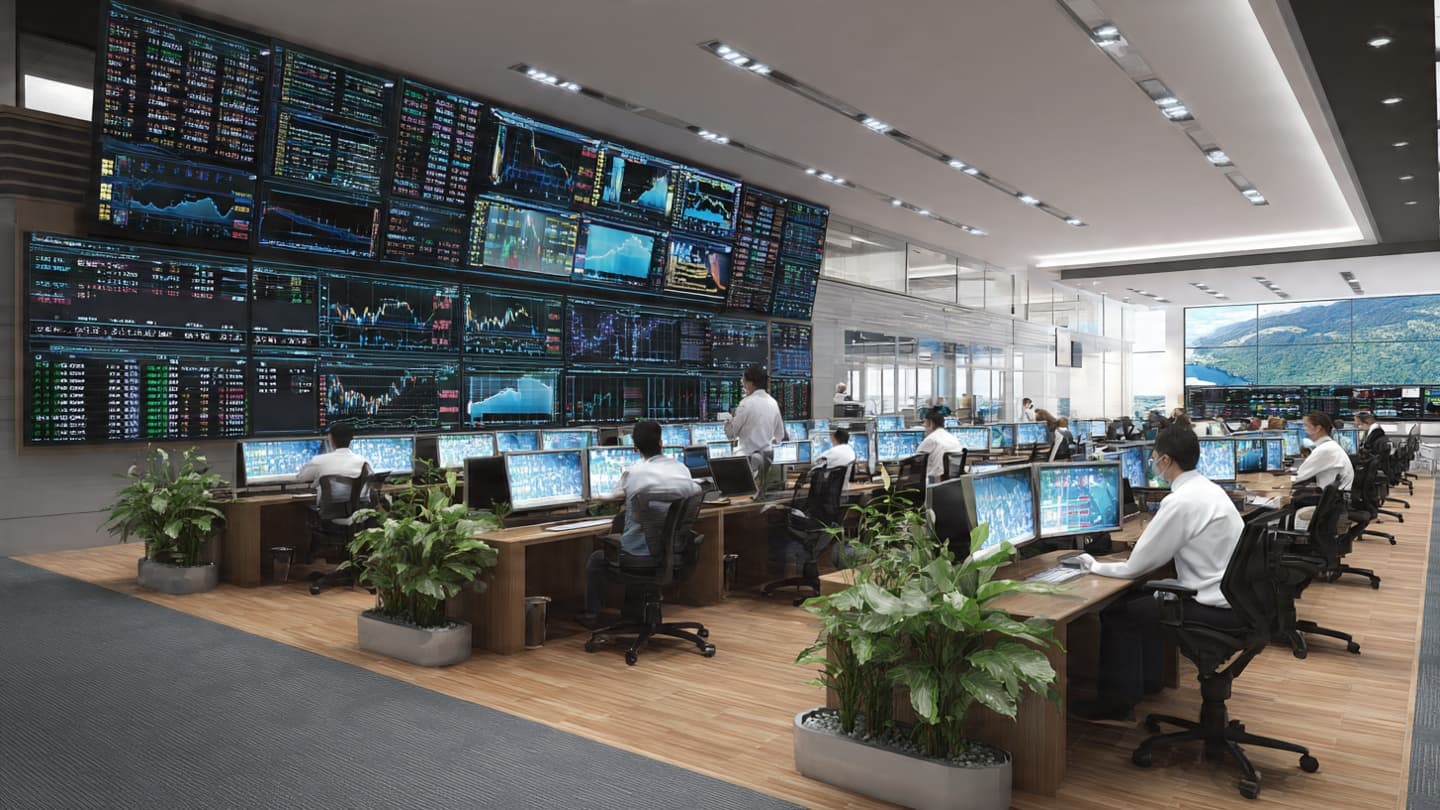
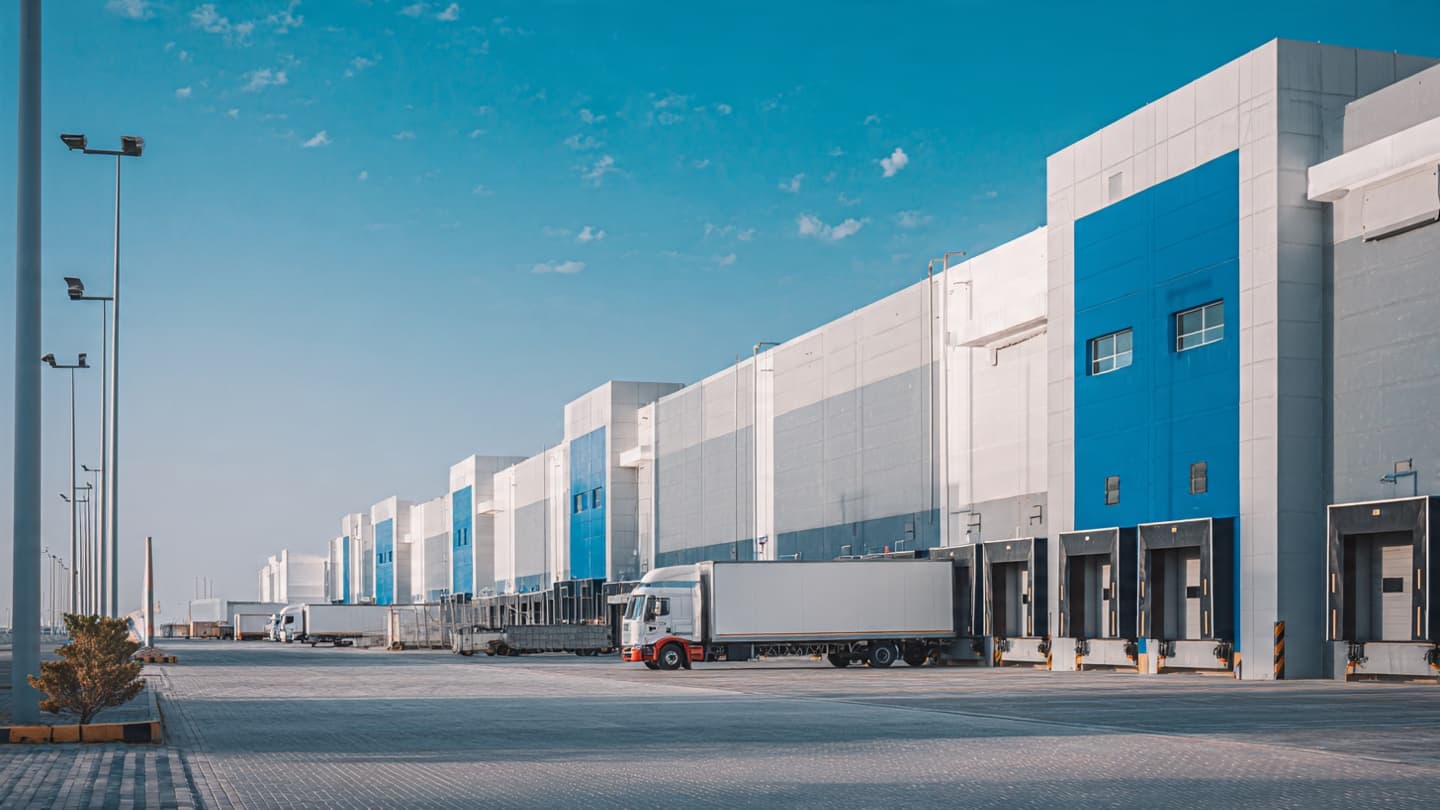
AI Image Disclaimer: This article is based on current economic reporting and business survey data. The AI-generated visuals are illustrative and may not correspond to specific real-world locations.
Sources: Reuters S&P Global UAE Ministry of Economy
Published by Banx Network. This article is part of the Banx decentralized media programme, powered by the BXE token on the XRP Ledger.