Morning often arrives quietly in the world’s capitals. Light spreads across the marble steps of government buildings, and somewhere deep within them, the machinery of policy begins another day—briefings prepared, intelligence reviewed, decisions shaped by events unfolding far beyond the windows.
Yet in times of conflict, the pace of history rarely moves in calm increments. It accelerates, gathering momentum like a storm crossing open desert.
In Washington, President Donald Trump recently described the ongoing military campaign against Iran as progressing faster than expected. Speaking to reporters, he suggested that operations involving the United States and Israel were “very far ahead of schedule,” signaling confidence in the trajectory of the campaign.
The remarks came as the conflict entered another intense phase. Military strikes across Iranian territory and surrounding areas have targeted strategic facilities tied to defense infrastructure, while aircraft and naval assets continue to move through the region in carefully coordinated patterns.
The language of war, especially in its early days, often centers on momentum. Commanders measure progress in objectives achieved, systems disabled, and the speed with which plans unfold. From that perspective, the president’s description reflected a view from Washington that the campaign’s operational goals are being met more rapidly than anticipated.
But war, like weather, has layers. The immediate tempo of operations is only one part of the broader landscape.
Across the Middle East, governments have watched the escalation with a mixture of caution and calculation. Diplomatic channels remain active even as military activity continues, with regional leaders weighing the risks of further expansion against the urgent desire to contain the conflict’s reach.
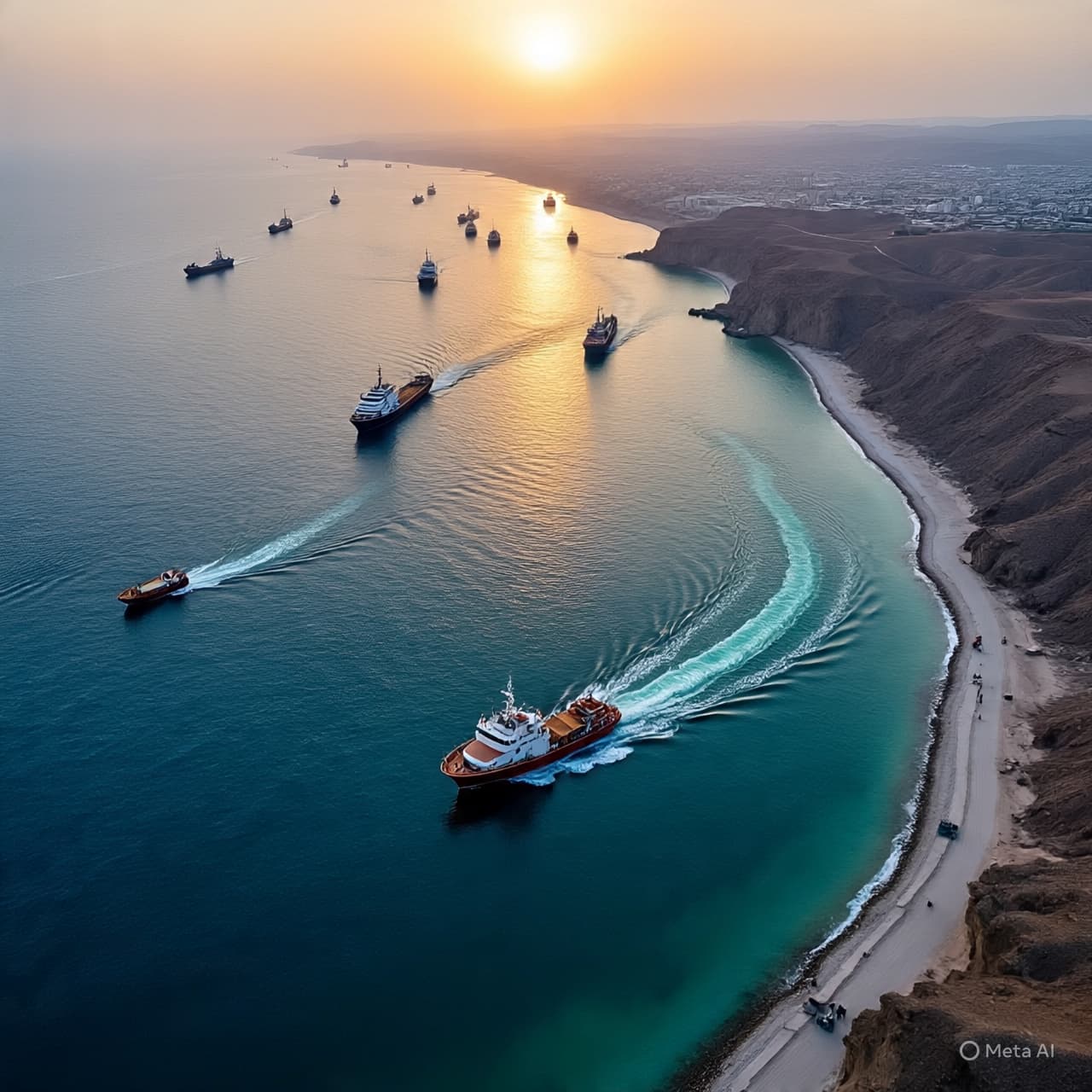
Energy markets have also followed the developments closely. The Strait of Hormuz, a narrow passage through which a significant share of the world’s oil travels, has once again become a focal point for traders and analysts. Even the possibility of disruption in these waters can ripple outward into fuel prices and shipping costs across continents.
For citizens far removed from the conflict’s geography, the war appears through subtler signs: headlines drifting across morning screens, fluctuations in global markets, and the quiet recognition that events unfolding thousands of miles away can reshape everyday life.
In recent days, military analysts have suggested that the speed of the campaign reflects both technological capability and long-prepared planning. Modern conflicts rely on complex coordination between airpower, intelligence networks, and precision systems designed to strike with accuracy while limiting broader escalation.
Yet the pace of operations does not necessarily determine the length of a war. History offers many moments when early momentum gave way to prolonged negotiation, shifting alliances, and the slow work of diplomacy.
For now, the words spoken in Washington—“very far ahead of schedule”—hang in the air like a marker of the moment, capturing a sense of urgency and confidence from the administration directing the campaign.
Far from the briefing rooms and press conferences, however, the region continues to move through its own rhythms: cities waking under desert skies, ships crossing narrow waterways, diplomats quietly drafting messages in the language of restraint and resolution.
And somewhere between those rhythms—the swift motion of military operations and the slower currents of diplomacy—the future of the conflict will gradually take shape.
For the world watching from afar, the timeline of war remains uncertain. But each statement, each operation, and each careful calculation adds another entry to the unfolding record of a conflict that has already begun to reshape the political weather of the region.
AI Image Disclaimer Illustrations were created using AI tools and serve as conceptual representations.
Sources Reuters Associated Press BBC News Al Jazeera Bloomberg
Published by Banx Network. This article is part of the Banx decentralized media programme, powered by the BXE token on the XRP Ledger.