
Key Highlights
- Recovery of Byzantine icons:Three panels dating back to the late 14th century were recovered by Greek authorities.
- Art trafficking crackdown:A specialized unit of the antiquities police dismantled a sophisticated art trafficking ring.
- Cultural significance:The recovered icons are vital pieces of Greece's historical and religious heritage.
The survival of antiquities across centuries is a remarkable testament to the collective reverence of generations who protect these artifacts from the ravages of time and conflict. In Greece, a country steeped in classical and medieval history, the sacred art of the Byzantine era embodies a profound spiritual continuum. These icons, crafted with ground minerals and gold leaf on aged wood, were never intended to be mere commodities; they were created as windows to the divine, venerated in quiet monasteries and private chapels under the soft glow of oil lamps. Removing them from their cultural context erases a vital piece of the collective identity of the region.
However, within the global black market for stolen art, these sacred objects are often treated as mere high-value assets, smuggled into private collections. Over several weeks, a specialized unit of the antiquities police traced a delicate, undercover trail through the secondary transit networks of Athens. The indicators of illicit activity did not stem from overt thefts at major museums but from the quiet movement of uninventoried relics through private hands in the historic center. This sophisticated operation sought to harvest the sacred heritage of Greece for foreign export before losses could be officially recorded.
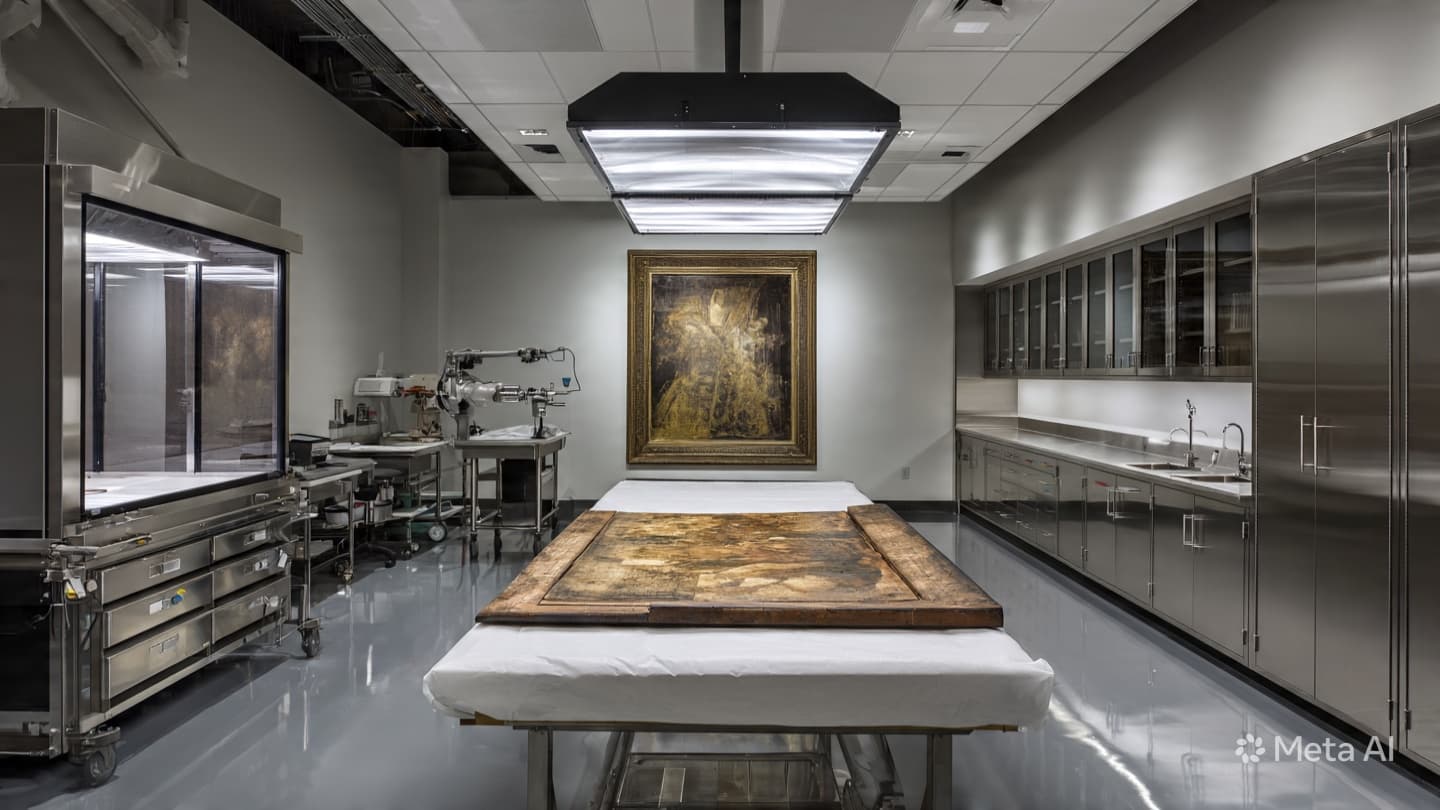
Dismantling an art trafficking ring requires investigative patience that matches the historical expertise of the perpetrators, who often possess deep knowledge of appraisal and conservation. The detectives opted for a strategic approach, allowing the illicit negotiations to reach their final logistics phase before intervening at a storage facility near shipping corridors. They intercepted a series of carefully wrapped packages prepared for immediate transit out of the country, falsely declared as modern reproductions. Upon careful examination in a secure forensic laboratory, the ancient wood revealed its true, unmistakable significance.
A distinct, reverent silence accompanies the recovery of a Byzantine icon, a feeling that a stolen piece of history is being gently returned to its rightful context. The three recovered panels, dating back to the late 14th century, depict classic, stylized saints, their gilded backgrounds reflecting light with an intense, otherworldly brilliance despite centuries of neglect. The thieves had treated these priceless remnants of sacred art as mere freight, packing them alongside cheap souvenirs to blend into the export traffic. The contrast between the spiritual majesty of the paintings and the crude criminality of their confinement was stark.
The execution of this crackdown underscores the ongoing struggle to protect the vast archaeological and religious heritage of the Mediterranean from organized looting syndicates. Greece's proximity to wealthy international art markets creates persistent pressure, with unscrupulous dealers utilizing sophisticated networks of couriers and forged provenance documents to legitimize stolen property. Each successful recovery represents more than a legal victory; it is an act of cultural restoration, preventing the permanent dispersal of the nation's historical identity into the anonymous vaults of private collectors who prioritize acquisition over heritage.
As the recovered icons were placed into the temporary custody of state conservation specialists, the true historical significance of the find began to emerge during initial assessments. The brushwork characteristic of the Palaiologan Renaissance indicated that the pieces may have been removed from a remote monastic community during a period of administrative transition or renovation. This internal vulnerability within isolated historical sites makes the task of the antiquities police even more urgent, necessitating constant coordination with religious authorities to maintain accurate registries of their artistic treasures.
The administrative formalization of the recovery followed meticulous forensic analysis, ensuring that the sacred panels will be preserved for public viewing under state protection. The Hellenic Police Department for the Protection of Cultural Heritage continues to work diligently to safeguard Greece's rich artistic legacy against the threats posed by art trafficking and illegal antiquities trade.
Published by Banx Network. This article is part of the Banx decentralized media programme, powered by the BXE token on the XRP Ledger.



