
Key Highlights
- Political statements regarding Taiwan's independence impact regional dynamics.
- U.S. maintains unofficial relations with Taiwan amid One China policy.
- Taiwan's political environment reflects complex domestic and external pressures.
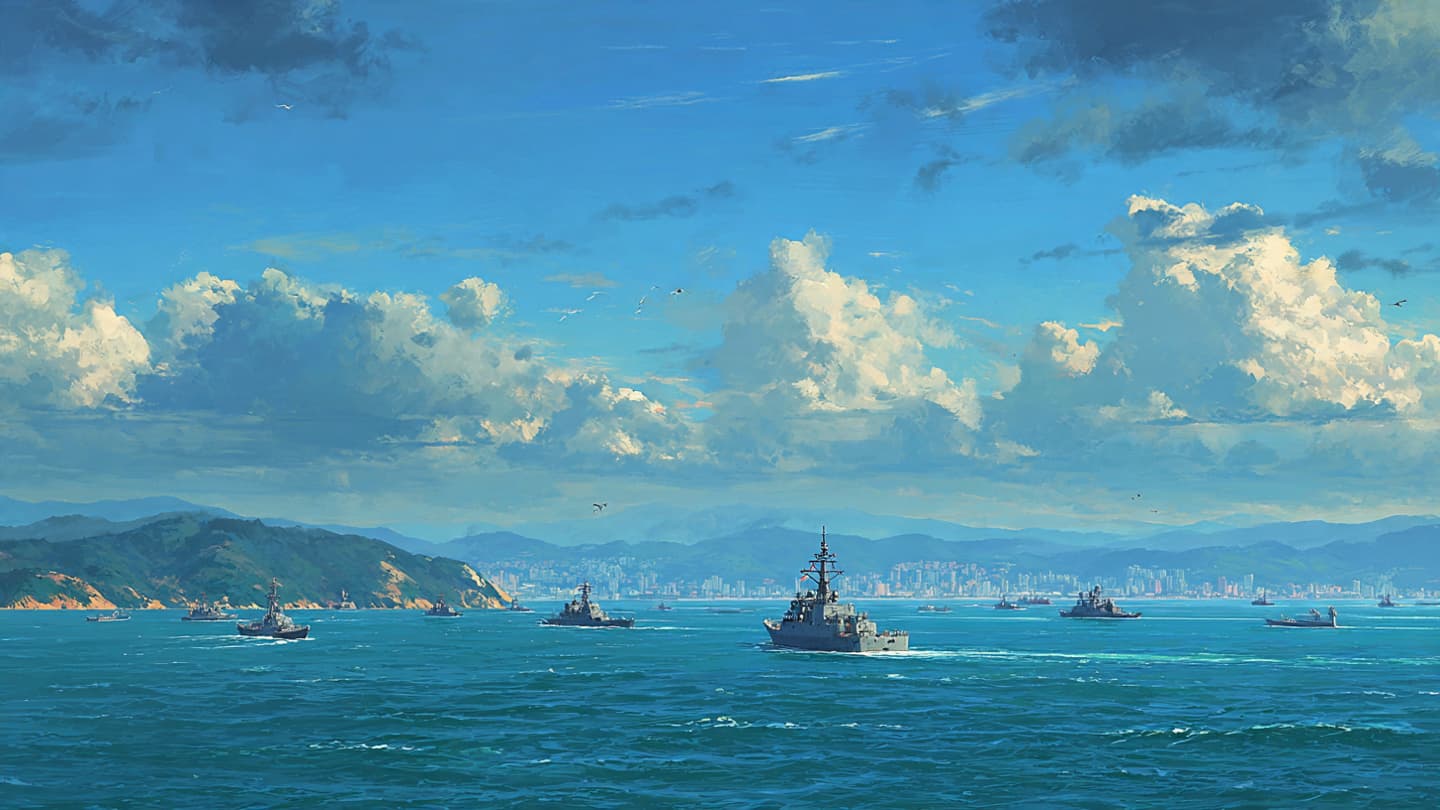
The Taiwan Strait has long resembled calm water carrying deep political currents beneath its surface. Every statement related to Taiwan, Beijing, or Washington often echoes far beyond the immediate moment, touching historical sensitivities and strategic calculations that have shaped the region for decades. Recently, comments attributed to Donald Trump regarding Taiwan’s independence once again drew international attention toward this delicate geopolitical balance.
According to reports, Trump warned against any declaration of formal independence by Taiwan from China. The remarks quickly entered broader discussions surrounding United States policy in East Asia and the continuing complexity of cross-strait relations. Analysts suggest that such statements can significantly influence diplomatic responses and military readiness discussions, underscoring the weight of political rhetoric in this sensitive context.
China considers Taiwan part of its territory and has consistently opposed any move toward formal independence. Beijing has repeatedly stated that reunification remains a central national objective, while Taiwan maintains its own democratic government and political system. This fundamental disagreement forms the crux of tensions in the region, with both sides entrenched in their positions.
The United States officially adheres to the “One China” policy while also maintaining unofficial relations and security cooperation with Taiwan. This long-standing diplomatic framework has often required careful balancing between support for regional stability and avoidance of direct confrontation with Beijing. The U.S. commitment to Taiwan's defense, while ambiguous, plays a crucial role in the island's security strategy.
Taiwan itself continues navigating a complex political environment shaped by domestic democratic identity, economic ties, and external security pressures. Public discussions on the island often reflect varying perspectives regarding sovereignty, regional relations, and future political direction. The Taiwanese populace remains divided on how best to approach relations with China, with some advocating for a more assertive stance on independence, while others prefer maintaining the status quo.
Regional observers emphasize that stability in the Taiwan Strait remains closely connected to broader global economic interests. The area plays a critical role in international trade routes and semiconductor production, making tensions there a matter of worldwide concern. Disruptions in this region could have far-reaching implications for global supply chains and economic stability.
Officials from China, Taiwan, and the United States continue maintaining diplomatic and strategic communication channels despite ongoing disagreements. International attention toward the region remains high as geopolitical competition in East Asia continues evolving. The interplay of domestic politics, international relations, and economic factors will likely shape the future of the Taiwan Strait and its significance on the global stage.
Published by Banx Network. This article is part of the Banx decentralized media programme, powered by the BXE token on the XRP Ledger.



