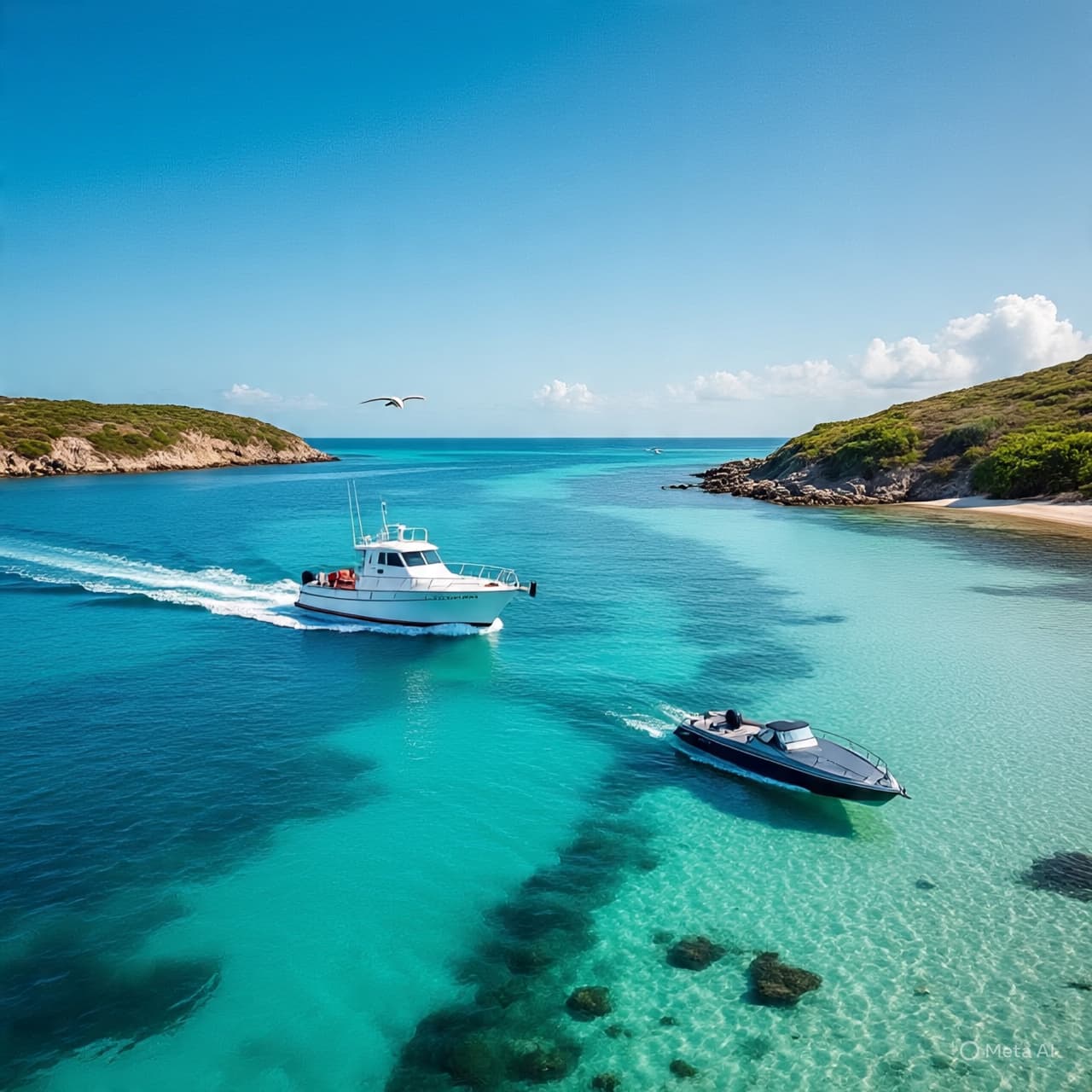
There are moments in history that feel like ripples on a still sea — small shifts in the tide that carry beneath them deeper currents of change. On a quiet mid-February morning off the northern shores of Cuba, the gentle welcome of Caribbean waves met an unexpected disturbance. What began as another sunrise over familiar waters became, for a brief passage of hours, a scene woven with uncertainty and urgency, as an unidentified vessel drew nearer to the island’s edge.
According to Cuban authorities, the motorboat — marked with a Florida registration and carrying ten men — was intercepted by a Cuban Border Guard patrol near Cayo Falcones, within Cuba’s territorial waters. As the patrol approached, gunfire erupted from the boat, wounding an officer and unraveling the calm of early light. In the exchange that followed, Cuban forces responded, resulting in the deaths of four people aboard the vessel and injuries to six others. One of the Cuban patrol members was also reported as hurt in the confrontation. This account, offered by the Cuban government, frames the episode not as an isolated skirmish but as a serious brush with violence on the water’s edge.
The Cuban Interior Ministry’s narrative holds that those on the speedboat were armed and that most had “a known history of criminal and violent activity,” asserting that they intended to infiltrate the country with violent aims. Authorities named several individuals among those detained and said military-style weapons, incendiary devices, and protective gear were seized following the clash. Seven of the ten men have been publicly identified in statements from Havana.
Yet beneath the sequence of events lie unresolved questions. The U.S. government, while affirming that no official American operation was involved, has begun its own inquiry into the incident, including collaborations between the Department of Homeland Security and the U.S. Coast Guard to clarify the facts and identities of those aboard the vessel. U.S. Secretary of State Marco Rubio described the episode as “highly unusual” and said Washington is gathering its information independently of Havana’s account.
In diaspora communities and in political circles, reactions have echoed — at times with bewilderment, and at times with sorrow. Some relatives of those killed have spoken of their loved ones’ passion for Cuba’s future, emphasizing motivations rooted in hope or frustration rather than clear objectives known to the public. Others see the event as a reminder of the long shadows cast by decades of complex relations between the two neighboring nations.
The clash also arrives amid broader geopolitical tensions as Cuba navigates economic pressures and shifting diplomatic currents. In these layered waters, the story of a single boat, four lost lives, and six survivors under custody becomes not just a matter of maritime confrontation, but a quiet reflection on ambition, risk, and the fragile boundaries between aspiration and peril at sea.
In this intersection of policy, personal history, and international scrutiny, the full narrative continues to unfold — carrying with it questions that extend far beyond the waves on which it played out.
AI Image Disclaimer “Illustrations were produced with AI and serve as conceptual depictions.”
Sources Associated Press (AP) Reuters The Guardian PBS NewsHour Follow-up reporting from Cuban and U.S. sources
نُشر بواسطة Banx Network. هذا المقال جزء من برنامج الوسائط اللامركزية من Banx، مدعومًا برمز BXE على شبكة XRP Ledger.