
Key Highlights
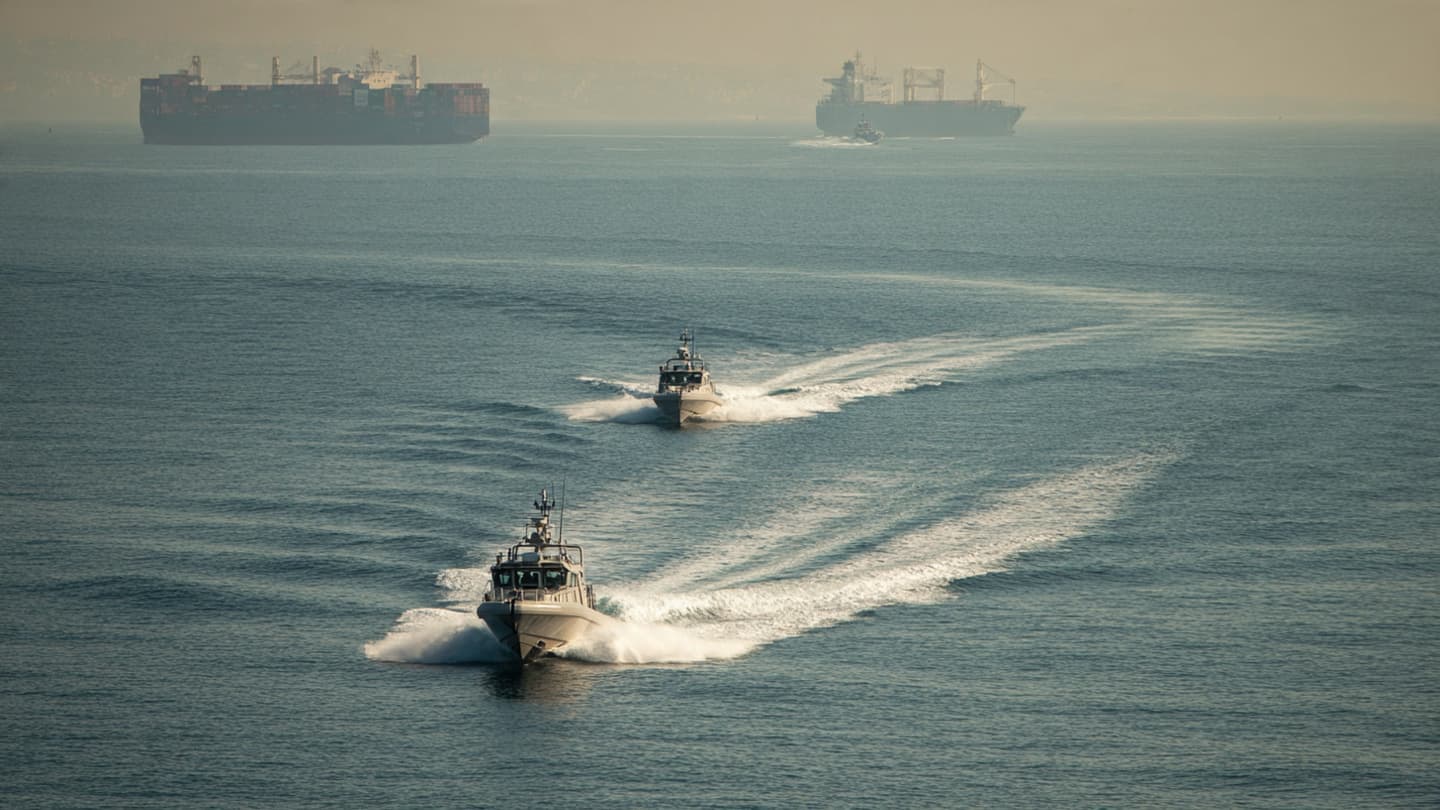
- Iran operates a 'mosquito fleet' of small, fast boats in the Strait of Hormuz.
- These vessels can disrupt maritime traffic, impacting global oil markets.
- Tensions between Iran and Western nations continue to shape naval strategies in the region.
The Strait of Hormuz, a crucial maritime corridor, serves as a vital passage for a significant portion of the world's oil supply. At dawn, the waters appear deceptively calm, with tankers navigating the narrow channel alongside smaller vessels. However, beneath this surface tranquility lies a complex interplay of strategy and power dynamics, particularly involving Iran's naval capabilities.
Analysts have increasingly highlighted Iran's deployment of what is termed a 'mosquito fleet.' This consists of numerous small, agile boats that can maneuver quickly and unpredictably, presenting a unique challenge to larger vessels. Unlike traditional naval forces that rely on size and firepower, these smaller crafts leverage speed and numbers to exert influence and create uncertainty in the Strait of Hormuz.
The term 'weapon of mass disruption' aptly describes the potential impact of these fleets. Their presence complicates navigation for larger ships, which must remain vigilant against the possibility of sudden confrontations. This asymmetrical approach to maritime strategy reflects Iran's adaptation to its geographical constraints and the broader geopolitical landscape.
The implications of such tactics extend beyond immediate naval encounters. Even the mere suggestion of disruption in the Strait can lead to fluctuations in oil prices, insurance rates, and shipping routes. The waterway is not just a physical passage; it serves as a barometer for global economic stability, with its security closely monitored by nations far removed from the region.
The ongoing tensions between Iran and Western countries, particularly the United States, further complicate the situation. Maritime incidents have punctuated periods of relative calm, underscoring the precarious nature of naval operations in these waters. Joint naval patrols and surveillance efforts are part of a broader strategy to maintain stability, yet the potential for conflict remains ever-present.
For commercial crews navigating the Strait, the reality of their daily operations often contrasts sharply with the strategic narratives surrounding them. While they adhere to established protocols and navigational charts, the looming threat of disruption influences their decisions and operational practices, even if subtly.
Ultimately, the concept of the 'mosquito fleet' illustrates a modern approach to conflict, where influence is exerted not solely through direct confrontation but through the mere potential for it. As the Strait of Hormuz continues to facilitate the flow of global commerce, the balance between scale and agility remains a critical factor in maritime security.
In conclusion, Iran's fleet of small, fast boats represents a significant element of its maritime strategy, capable of disrupting traffic in one of the world's most vital shipping lanes. While the surface may appear unchanged, the underlying dynamics are complex and fraught with implications for global trade and security.
Published by Banx Network. This article is part of the Banx decentralized media programme, powered by the BXE token on the XRP Ledger.



