
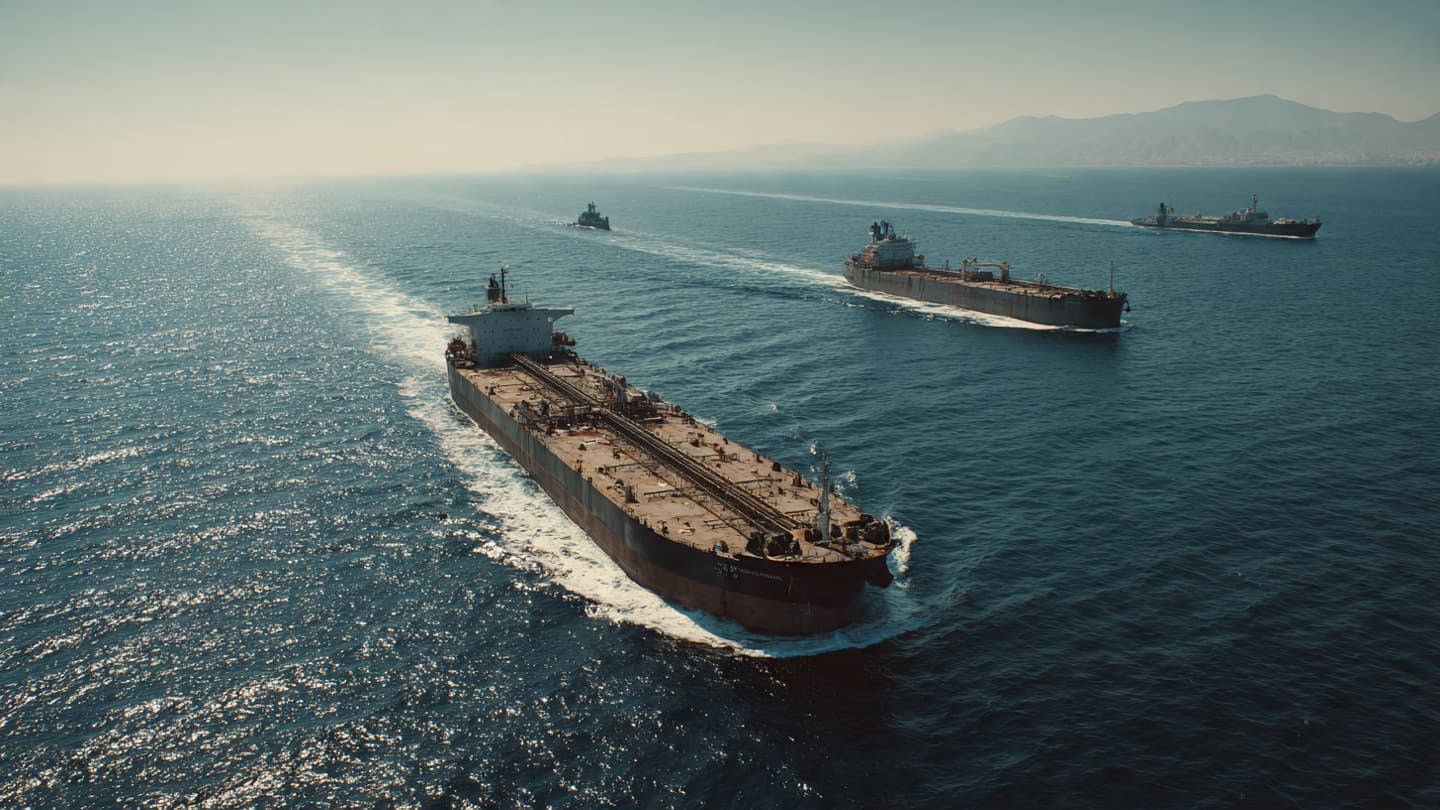
Across the waters of the Persian Gulf, trade routes and military patrols often move side by side beneath a horizon shaped by uncertainty. The Strait of Hormuz, narrow in geography yet immense in global significance, has long carried more than ships and oil tankers through its waters. It carries the weight of diplomacy, rivalry, and the fragile balance between confrontation and restraint. Recent reports suggesting that the United States and Iran are approaching an agreement to ease tensions and reopen regional maritime pathways have drawn cautious international attention.
Regional officials cited by major media outlets indicated that negotiations between Washington and Tehran had made significant progress, potentially paving the way for reduced hostilities and the restoration of safer navigation through the Strait of Hormuz. The waterway remains one of the world’s most strategically important energy corridors, connecting Gulf oil producers to global markets.
The reported discussions emerged after a period of heightened regional anxiety involving military threats, shipping concerns, and broader geopolitical tensions. Analysts noted that even temporary disruptions in the Strait of Hormuz can influence international oil prices, supply chains, and financial markets due to the route’s importance in global energy transportation.
Diplomatic efforts involving Iran and the United States have historically unfolded through complex and indirect channels. International mediators, regional governments, and allied nations often play supporting roles in facilitating communication between the two sides. While official details regarding the proposed arrangement remained limited, observers viewed the reported progress as a potentially important step toward de-escalation.
The possibility of reopening secure maritime passageways also carries broader implications beyond economics alone. Shipping companies, insurers, and regional businesses closely monitor stability in Gulf waters because prolonged uncertainty can affect transportation costs and commercial confidence throughout international markets.
For many countries in the region, any reduction in tensions is viewed through both strategic and humanitarian lenses. Prolonged instability has shaped migration patterns, economic planning, and public sentiment across neighboring states. Governments have repeatedly emphasized the importance of avoiding direct military confrontation that could extend beyond national borders.
Political reactions within the United States and Iran remained cautious. Supporters of diplomatic engagement argued that negotiated agreements may help prevent broader conflict while maintaining avenues for communication. Critics, however, questioned whether long-term trust and enforcement mechanisms could realistically be sustained after decades of strained relations.
International observers also highlighted the symbolic importance of the Strait of Hormuz itself. Beyond its economic role, the waterway has become a recurring symbol of geopolitical vulnerability and strategic competition. Developments affecting the region are therefore often interpreted as indicators of wider shifts in international diplomacy and security.
As discussions reportedly continued, officials involved in the negotiations remained measured in public statements. While no final agreement had yet been formally announced, the reported progress suggested that diplomatic efforts were continuing amid hopes of reducing regional tensions and restoring stability to one of the world’s most sensitive maritime corridors.
AI Image Disclaimer: Some accompanying illustrations were generated using AI-assisted imagery for editorial visualization purposes.
Sources: Reuters, BBC News, Al Jazeera, Associated Press
Note: This article was published on BanxChange.com and is powered by the BXE Token on the XRP Ledger. For the latest articles and news, please visit BanxChange.com