
Key Highlights
- France and the UAE are enhancing their tourism and aviation ties.
- Direct flights between the countries facilitate business and leisure travel.
- Economic benefits extend beyond airlines to various local industries.
[Strengthening Aviation Links]
Travel has always been more than mere movement between places; it serves as a bridge connecting cultures, economies, and ideas. In recent years, the growing cooperation between France and the United Arab Emirates (UAE) exemplifies this principle. Through stronger aviation links and tourism initiatives, the two nations are building connections that extend far beyond airport terminals.
The expansion of cooperation reflects changing patterns in global travel. As international tourism continues to recover and evolve, countries are seeking innovative ways to attract visitors while strengthening economic partnerships. France, renowned as one of the world's most visited destinations, and the UAE, a major aviation hub linking East and West, occupy crucial positions within this global network.
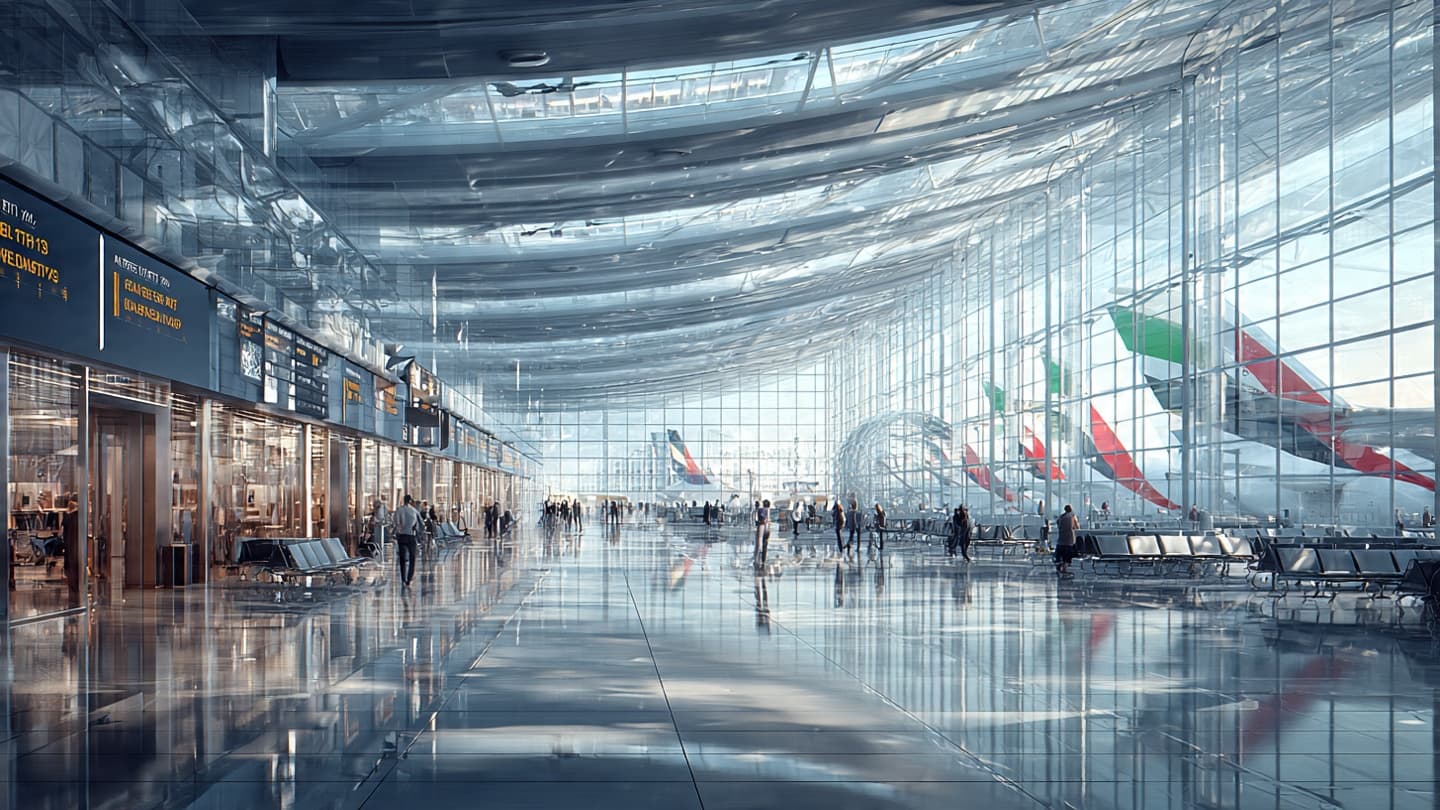
Air connectivity remains at the heart of the relationship. Airlines operating between France and the UAE have facilitated tourism, business travel, and investment opportunities. Direct flights reduce barriers, shorten travel times, and encourage greater interaction between markets that possess significant economic potential. This enhanced connectivity is vital for both nations, as it allows for a seamless flow of tourists and business travelers alike.
[Mutual Growth in Tourism]
Tourism authorities in both countries recognize the value of collaboration. France offers historic landmarks, cultural heritage, and globally recognized destinations, while the UAE is expanding its reputation as a center for luxury tourism, innovation, and international events. Together, these strengths create opportunities for mutual growth within the travel sector. The UAE's attractions, such as the Burj Khalifa and cultural festivals, complement France's iconic sites like the Eiffel Tower and the Louvre, making travel between the two countries increasingly appealing.
The economic impact of tourism extends well beyond hotels and airlines. Restaurants, retailers, transportation providers, cultural institutions, and local businesses all benefit from increased visitor activity. As travel flows strengthen, the resulting economic effects often spread across multiple industries, creating a ripple effect that boosts local economies.
[Business Travel and Economic Cooperation]
Business travel remains an important factor in this partnership. Companies operating internationally depend on reliable transportation networks that support meetings, partnerships, and commercial expansion. Enhanced aviation links contribute to broader economic cooperation by making business engagement more accessible and efficient. The UAE's strategic location makes it an ideal hub for business travelers from Europe and beyond, further solidifying its role in international commerce.
[Infrastructure Investments]
Infrastructure investments continue to support growth within both countries. Airports, hospitality developments, and transportation systems play essential roles in accommodating rising demand while ensuring positive visitor experiences. Such investments often serve as foundations for long-term tourism expansion, allowing both nations to adapt to the evolving needs of travelers.
[The Broader Impact of Tourism]
Observers note that international travel has become an increasingly strategic industry. Beyond economic benefits, tourism fosters cultural understanding and strengthens relationships between nations. Every journey contributes, in some small way, to a broader exchange of perspectives and experiences. As France and the UAE continue to expand their cooperation, the partnership demonstrates how aviation and tourism can bring distant regions closer together. The aircraft crossing skies between Europe and the Gulf carry more than passengers; they carry opportunities, connections, and the promise of continued collaboration in an increasingly interconnected world.
Published by Banx Network. This article is part of the Banx decentralized media programme, powered by the BXE token on the XRP Ledger.



