
Key Highlights
- U.S. military advisors are collaborating with Nigerian forces to combat terrorism.
- The Sahel region faces increasing threats from extremist groups exploiting local vulnerabilities.
- Community resilience is a focus of U.S. engagement alongside military efforts.
In the early haze of dawn, the Sahel wind sweeps across the dusty plains of northwest Nigeria, carrying with it the stories of towns that wake cautiously, aware that normalcy is often a fragile visitor. Villagers navigate their paths past empty market stalls and shuttered schools, yet life continues in a rhythm both defiant and wary. Amid this daily pulse, foreign eyes have turned toward a challenge that is as old as it is evolving: the rising shadow of terror.
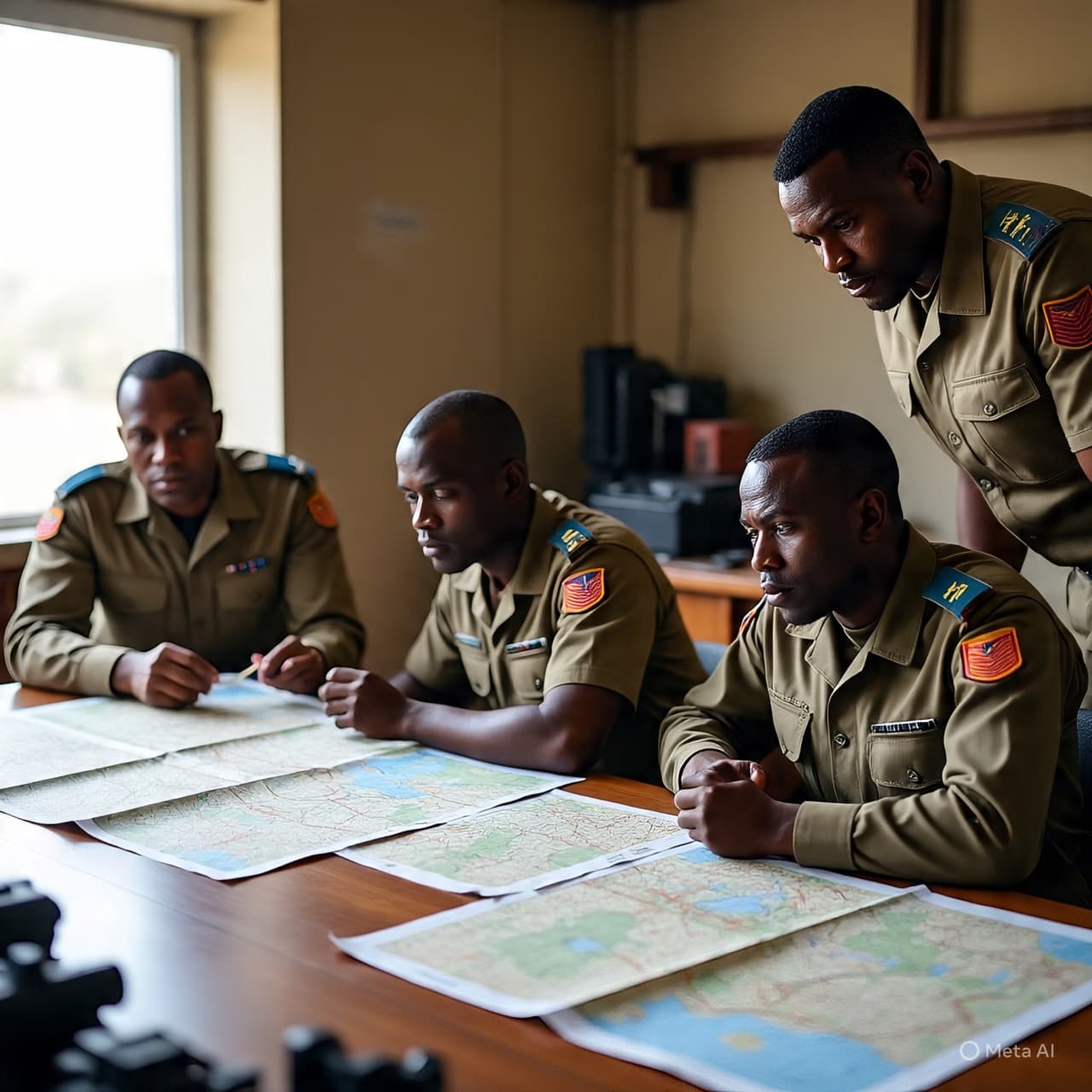
For years, extremist groups have exploited the vast, porous borders and the fractured infrastructure of the region, embedding themselves among communities and trading routes. The United States is increasingly involved, bringing resources, intelligence, and coordination to confront a threat that moves faster than armies and lingers longer than peace accords. Military advisors work quietly alongside Nigerian forces, mapping networks, training units, and supporting operations that often remain invisible to the public eye.
Yet the danger is not only kinetic. Beyond armed clashes, there is the erosion of trust, the displacement of families, and the quiet trauma that spreads like dust in the wind. Local leaders speak of children who no longer attend school and markets that close early, wary of the night. Aid workers navigate the delicate balance between protection and assistance, attempting to sustain a semblance of everyday life while the threat persists. For the U.S., engagement is as much about stabilizing communities as it is about countering militants, recognizing that resilience is built in classrooms and clinics as much as on the battlefield.
As dusk descends, the landscape softens into shadow, and the invisible currents of vigilance, fear, and determination mingle. The fight against terrorism in northwest Nigeria is not only a geopolitical calculation but a human one, measured in lost days and tentative smiles, in strategies devised in command centers and the quiet hope of families enduring the uncertain horizon.
The U.S. has committed to enhancing its partnership with Nigeria, recognizing the importance of addressing the root causes of instability. This includes not only military support but also humanitarian assistance aimed at rebuilding communities affected by violence. The collaboration seeks to empower local leaders and foster resilience among the population, ensuring that the fight against terrorism is not solely a military endeavor but a comprehensive approach to restoring peace and normalcy.
As the situation evolves, the U.S. remains vigilant, adapting its strategies to meet the changing dynamics of the Sahel region. The commitment to Nigeria reflects a broader understanding that security is intertwined with development, and that lasting peace requires a multifaceted approach that addresses both immediate threats and long-term stability.
Published by Banx Network. This article is part of the Banx decentralized media programme, powered by the BXE token on the XRP Ledger.



