
Key Highlights
- Incident:A military airstrike struck a village market in northern Nigeria, resulting in civilian deaths.
- Response:Authorities have acknowledged the strike and are investigating the circumstances surrounding the incident.
- Impact:The airstrike raises significant concerns about the balance between military operations and civilian safety in conflict zones.
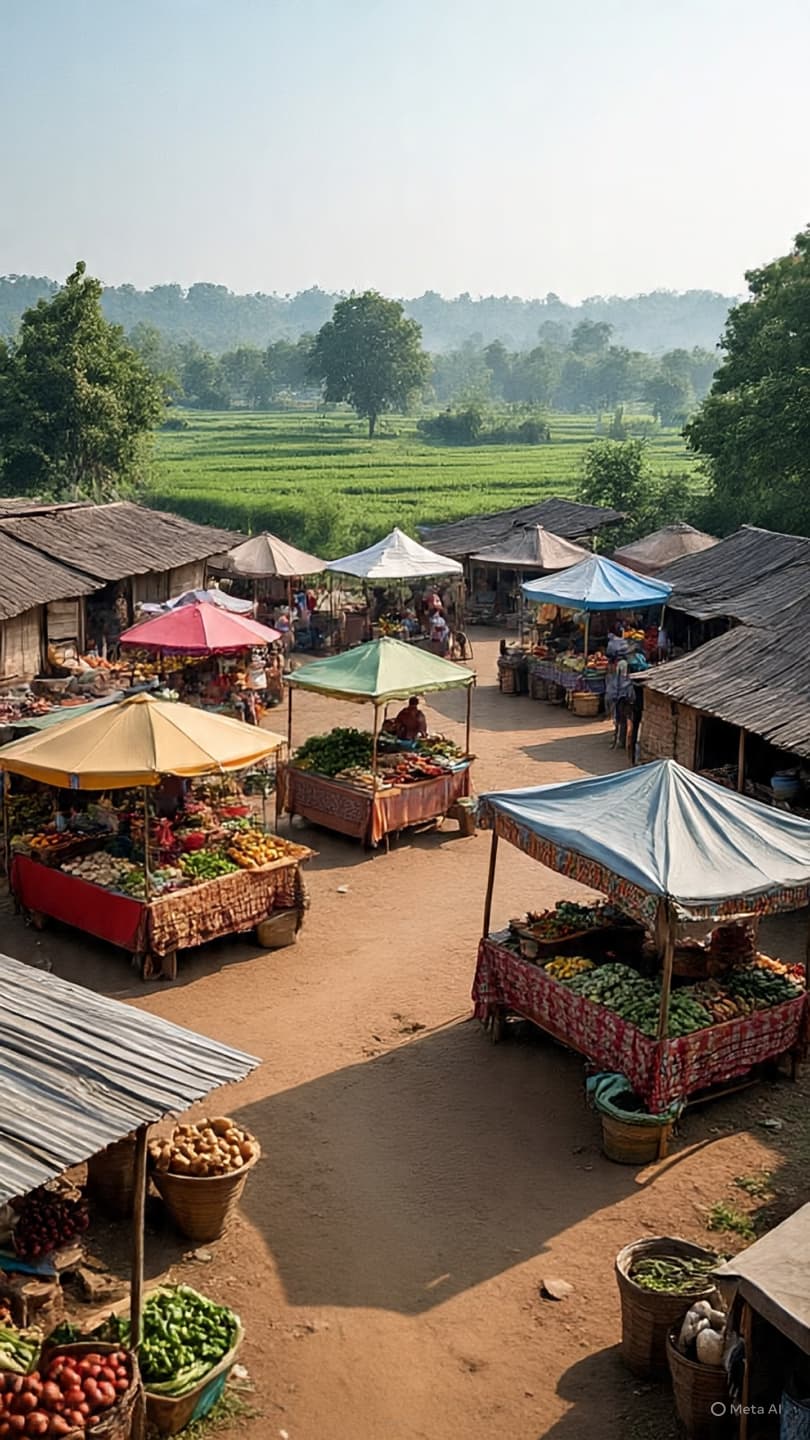
In the wide expanse of northern Nigeria, where markets gather like brief constellations—clusters of color, sound, and exchange beneath open skies—daily life often unfolds in rhythms that feel both fragile and enduring. Vendors arrange their goods in careful patterns, voices rise and fall in negotiation, and the movement of people traces familiar paths through dust and sunlight.
It is within such a setting that a sudden rupture has left a quiet, heavy absence. Reports indicate that a military airstrike struck a village market, resulting in the deaths of many civilians. The incident, described by officials as a misfire during an operation, has drawn attention to the complex and often precarious nature of security efforts in regions facing ongoing conflict.
In areas where armed groups operate across difficult terrain, military actions are frequently conducted under conditions of uncertainty. The distinction between target and bystander can become dangerously thin, particularly in places where civilian life and conflict overlap. Markets, by their nature, gather people together—an act of community that, in moments like these, becomes a point of vulnerability.
Authorities have acknowledged the strike and signaled that investigations are underway to determine the sequence of events that led to the bombing. Such inquiries typically involve coordination between military officials, local authorities, and, in some cases, independent observers seeking to clarify responsibility and assess the impact. The need for transparency in these investigations is crucial, as communities seek answers and accountability for the loss of life.
Northern Nigeria has long faced security challenges, including insurgent activity that has shaped both policy and daily life. In response, military operations have aimed to contain threats, yet incidents involving civilian harm continue to raise difficult questions about the limits and consequences of such strategies. The airstrike serves as a stark reminder of the risks associated with military interventions in populated areas.
For those who were present, the transformation would have been immediate—what began as a day of trade turning abruptly into confusion and loss. In the aftermath, the physical space of the market shifts in meaning, marked not by its usual vitality but by the memory of what occurred there. The emotional toll on the community is profound, as families mourn the loss of loved ones and grapple with the trauma of the event.
Beyond the immediate tragedy, such events ripple outward, affecting trust between communities and institutions. The acknowledgment of error, while significant, often exists alongside the deeper need for accountability and reassurance that similar incidents can be prevented. The challenge remains for authorities to rebuild that trust and ensure the safety of civilians in future operations.
In the broader context, the strike reflects a recurring tension in regions affected by conflict: the effort to address security threats while preserving the safety of civilian life. It is a balance that remains difficult to achieve, shaped by terrain, intelligence, and the unpredictable movement of those involved. As investigations continue, the focus turns toward understanding how decisions were made, what information guided them, and where the chain of events diverged from its intended course.
In the stillness that follows, the market exists in memory as much as in place. The routines that once defined it will, in time, return in some form, though altered by what has been lost. And within that return lies a quieter question, carried not in statements but in the rhythms of daily life: how such spaces can remain places of gathering without becoming sites of risk.
Published by Banx Network. This article is part of the Banx decentralized media programme, powered by the BXE token on the XRP Ledger.



