
Key Highlights
- Recent naval exercises by the People's Liberation Army (PLA) in the Western Pacific have drawn attention.
- The operation involves coordinated movements of multiple vessels for training purposes.
- The Western Pacific remains a strategically significant area for international shipping and defense interests.
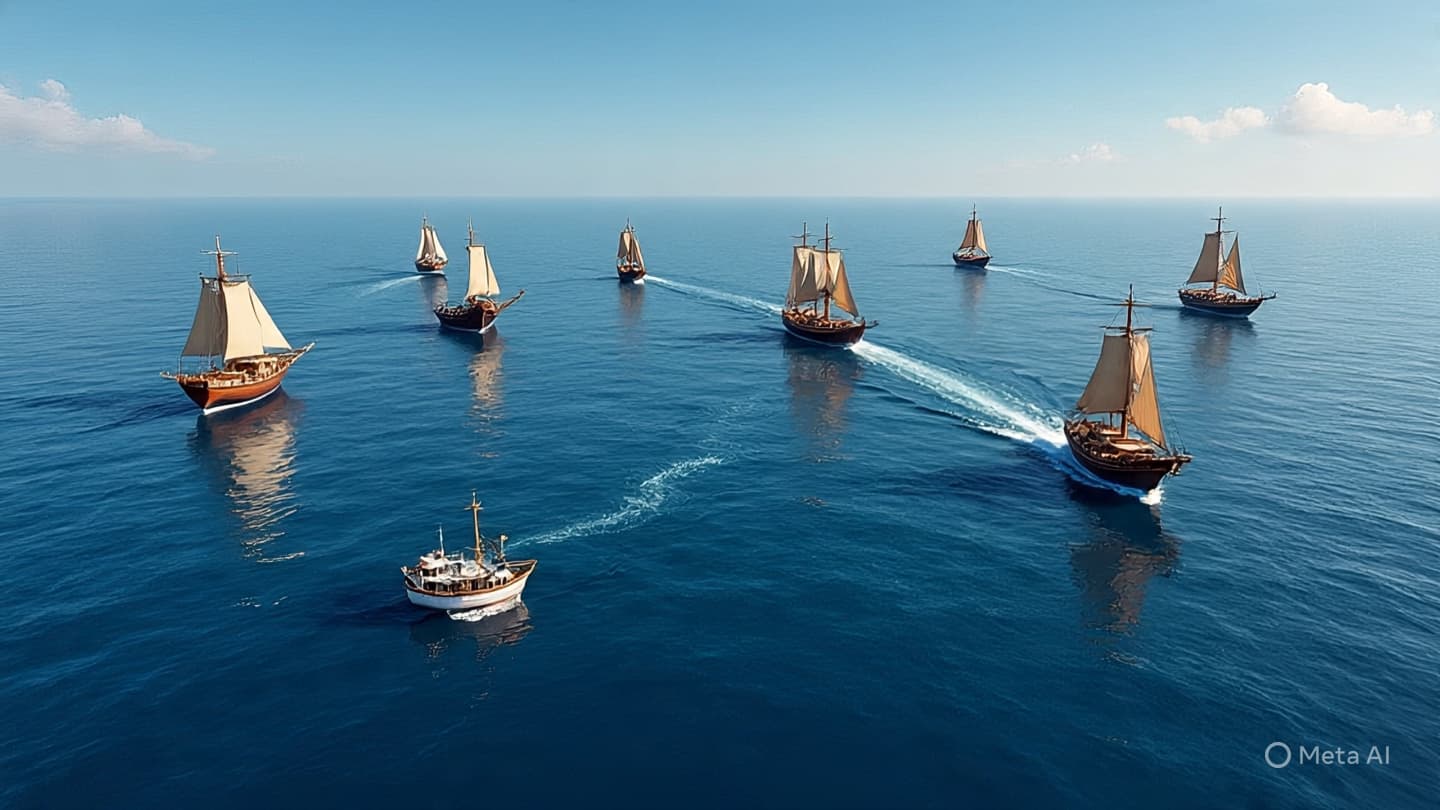
China's recent naval maneuvers in the Western Pacific have sparked interest among regional observers and military analysts. The People's Liberation Army (PLA) has dispatched a formation of vessels into these waters, described by officials as part of routine training exercises. This operation, while occurring far from the shores that define daily life, is closely monitored by neighboring countries and international maritime stakeholders.
The deployment of multiple naval vessels in a coordinated formation reflects a standard practice among major naval forces, aimed at testing readiness and operational cohesion. Such drills are essential for ensuring that naval crews can effectively respond to various maritime challenges. The Western Pacific, with its complex web of international shipping lanes and defense interests, serves as a critical backdrop for these exercises.
In recent years, China's naval capabilities have expanded significantly, with an emphasis on more complex and extended maritime training activities. This evolution is driven by advancements in technology and changing regional dynamics. The PLA's increased focus on naval readiness is evident in its recent operations, which include not only navigation exercises but also formation handling drills that are fundamental to effective maritime operations.
The Western Pacific is a region characterized by overlapping interests, where commercial routes, allied patrols, and independent naval operations frequently intersect. As such, even routine training exercises can be interpreted in various ways, depending on the perspective of the observer. For some, these movements may signal a show of strength, while for others, they represent standard operational practices.
Regional stakeholders, including neighboring maritime powers, closely monitor these naval activities. Advanced tracking systems, satellite observations, and maritime patrols contribute to a comprehensive understanding of the situation in the region. However, the sea itself remains indifferent to these interpretations, reflecting only the light and motion of the vessels that traverse its surface.
The vessels involved in the PLA's latest formation are engaged in drills that emphasize the importance of preparedness in varied maritime conditions. While the specifics of the training exercises are often not disclosed, the overarching goal remains consistent across global naval forces: to ensure operational readiness and effectiveness.
As the PLA's formation continues its operations in the Western Pacific, it does so within a historically significant maritime environment. The openness of the region makes it both accessible and strategically sensitive, ensuring that any significant naval activity will attract attention from various stakeholders.
In summary, the structured nature of the PLA's deployment in the Western Pacific highlights China's ongoing commitment to maritime preparedness. While interpretations of these exercises may vary, the fundamental reality remains: the sea absorbs all movement, leaving behind only the suggestion of motion across its vast expanse.
Published by Banx Network. This article is part of the Banx decentralized media programme, powered by the BXE token on the XRP Ledger.



