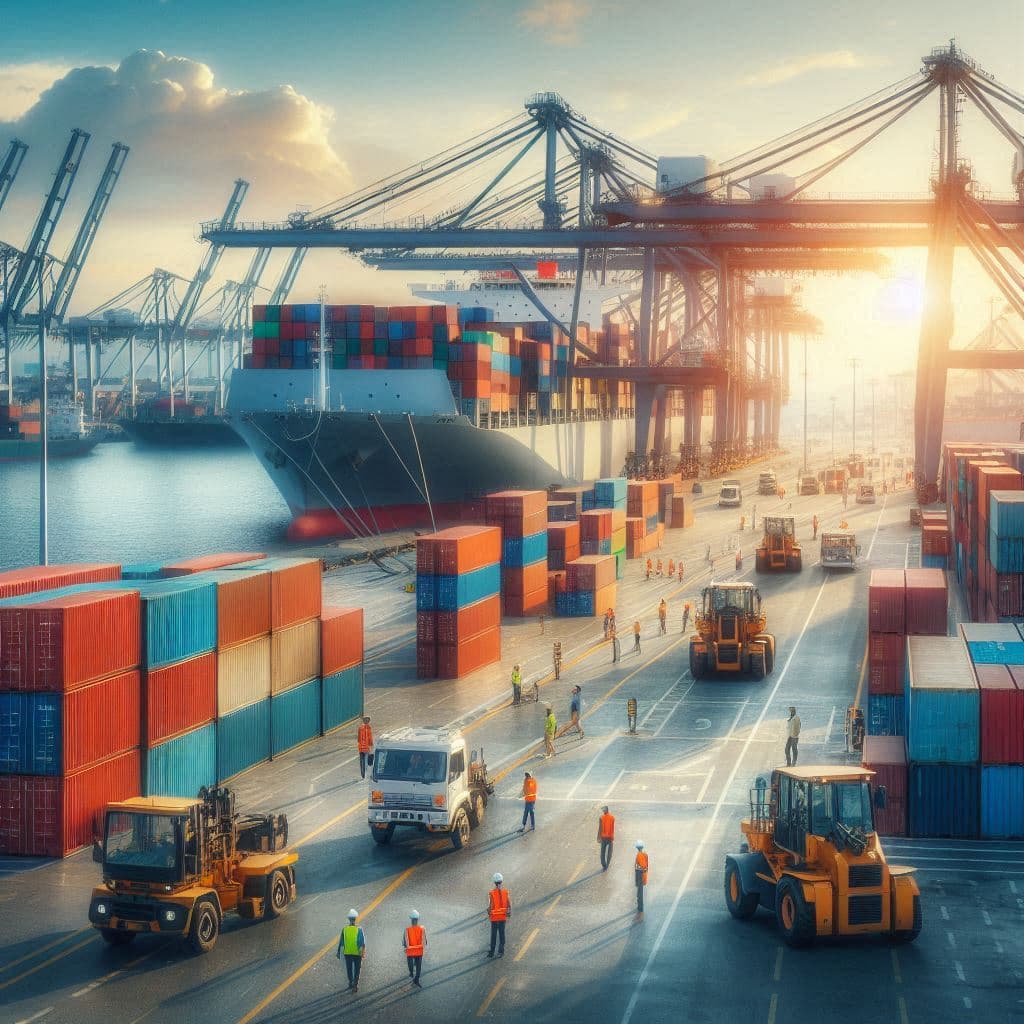
Morning trade data often arrives quietly, like tide marks on a familiar shore. Numbers line up, columns widen or narrow, and only later do we notice how the water has shifted. In recent months, Southeast Asia’s trade relationship with the United States has been leaving deeper impressions, suggesting a current that is slowly but steadily strengthening beneath the surface.
Across the region, export-driven economies have continued to send a rising volume of goods to American markets. Electronics, machinery, garments, and industrial components flow outward from Vietnam, Thailand, Malaysia, and Indonesia, carried by supply chains that have been reshaped by years of tariff disputes and strategic realignments. As companies adjusted production away from China, Southeast Asia became a natural harbor, absorbing investment and expanding manufacturing capacity. The result has been a widening trade surplus with the United States, one built less on sudden shocks and more on accumulated momentum.
This widening gap does not stem from a single policy decision or seasonal surge. Instead, it reflects structural changes in global trade. American demand for consumer electronics and industrial inputs has remained resilient, while Southeast Asian producers have become more deeply embedded in global manufacturing networks. Factories assemble components sourced from across Asia, exporting finished goods to the U.S. with increasing efficiency. Each shipment adds a small weight to the balance, and over time those weights compound.
Governments in the region are watching these figures carefully. A growing surplus can signal economic strength, but it can also invite scrutiny. Trade imbalances have historically drawn political attention in Washington, particularly when domestic industries feel exposed. Some Southeast Asian policymakers have responded by signaling openness to importing more U.S. goods, from agricultural products to energy supplies, hoping to soften the imbalance without disrupting growth.
For now, the data tells a calm but telling story. Southeast Asia’s surplus with the United States continues to widen, shaped by long-term shifts rather than short-term drama. It is a reminder that global trade rarely turns on a single event; it moves instead like a river, redirected gradually by geography, policy, and time.
In official releases, the numbers stand without commentary, leaving interpretation to markets and ministries alike. What happens next will depend on how both sides choose to respond — whether through negotiation, diversification, or simple acceptance of an evolving trade landscape.
AI Image Disclaimer (Rotated Wording)
Visuals in this article are created using AI tools and serve as conceptual illustrations rather than real photographs.
Source Check — Credible Media Scan (no links):
Reuters Bloomberg Associated Press Al Jazeera CNBC
نُشر بواسطة Banx Network. هذا المقال جزء من برنامج الوسائط اللامركزية من Banx، مدعومًا برمز BXE على شبكة XRP Ledger.