The modern world is connected by invisible threads of movement. Aircraft cross oceans daily, carrying travelers, ideas, and economic opportunities between distant regions. As global demand for connectivity continues to evolve, France and Japan are supporting efforts to strengthen aviation networks across the Asia-Pacific region, recognizing the important role transportation plays in shaping international relationships.
Aviation has become one of the defining features of globalization. It enables businesses to operate across continents, allows tourists to explore new destinations, and facilitates cultural exchanges that enrich societies. Expanding aviation links therefore represents more than an infrastructure initiative; it reflects a broader commitment to international engagement.
France and Japan share longstanding reputations for technological excellence and innovation. Both countries maintain strong aviation industries and recognize the strategic importance of efficient transportation systems. Their support for expanded connectivity aligns with wider efforts to encourage economic growth and regional cooperation.
The Asia-Pacific region continues to attract attention as one of the world's most dynamic economic areas. Rising incomes, expanding middle classes, and increasing travel demand have contributed to strong growth in passenger traffic. Airlines and governments are responding by exploring new routes and strengthening existing networks.
Tourism stands among the sectors expected to benefit from improved connectivity. Easier access to destinations often encourages greater visitor flows, supporting hotels, restaurants, cultural attractions, and local businesses. For countries seeking sustainable economic development, tourism remains an important source of opportunity.
Business travel also plays a critical role. International companies depend on reliable transportation networks to maintain partnerships, explore investments, and coordinate operations. Enhanced connectivity can therefore contribute to stronger commercial relationships while reducing barriers to collaboration.
Environmental considerations remain part of the conversation. As aviation expands, industry leaders continue exploring technologies and operational improvements aimed at increasing efficiency. Sustainable growth requires balancing rising demand with efforts to reduce environmental impacts and improve resource utilization.
Observers note that transportation infrastructure often shapes economic geography. Regions with strong connectivity tend to attract investment, talent, and commercial activity. Expanding aviation networks can therefore influence development patterns far beyond the airport itself.
The relationship between France and Japan reflects a shared understanding of these dynamics. By supporting connectivity initiatives, both countries contribute to a broader vision of economic cooperation and international exchange. Their efforts demonstrate how transportation can serve as a foundation for wider partnerships.
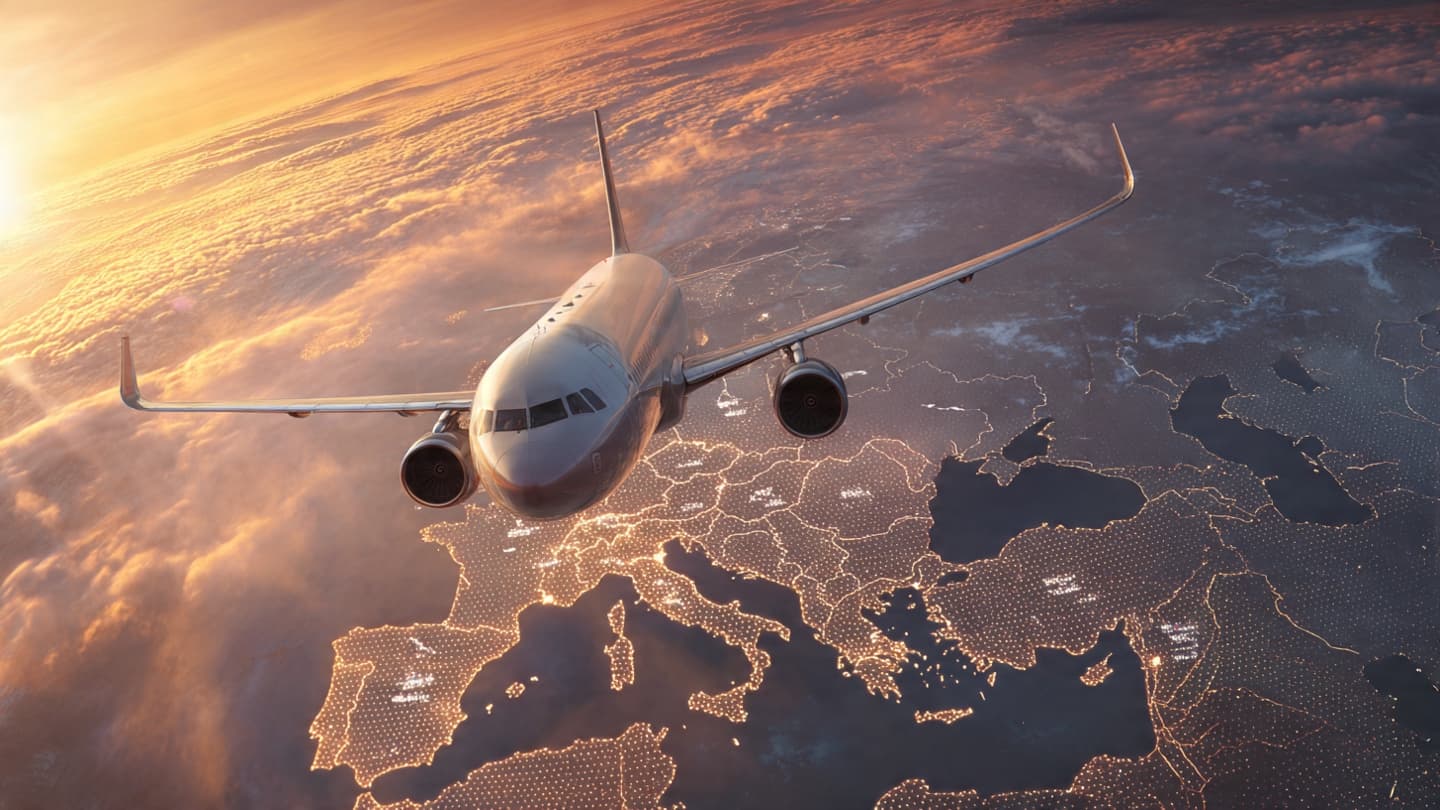
As aircraft continue linking cities across Europe and Asia, each journey reinforces the importance of connection in a rapidly changing world. The routes may be measured in kilometers, but their impact is often measured in opportunities created, relationships strengthened, and horizons expanded.
AI Image Disclaimer: Visuals are created with AI tools and are not real photographs.
Sources: Travel and Tour World, Reuters, Nikkei Asia, Aviation Week, Business France.
Published by Banx Network. This article is part of the Banx decentralized media programme, powered by the BXE token on the XRP Ledger.