
Key Highlights
- U.S. Trade Representative initiates investigation into Malaysia's economy.
- Inquiry focuses on policies affecting American businesses and trade interests.
- Malaysia's economy is crucial for global supply chains and manufacturing.
The dynamics of international trade often unfold quietly, with economic relationships shaped by the ebb and flow of global markets. Recently, this conversation has taken a more formal turn as the United States Trade Representative (USTR) announced an investigation into specific aspects of the Malaysian economy. This move underscores a growing scrutiny in Washington regarding trade practices in nations that play pivotal roles in global supply chains.
The inquiry, initiated by the USTR, aims to determine whether certain regulatory frameworks or policies in Malaysia could adversely affect American businesses or trade interests. Such investigations are typically conducted under U.S. trade laws, which empower authorities to evaluate whether foreign economic measures are unfair or discriminatory toward U.S. companies. This particular investigation reflects a broader trend where governments assess the policies of their trading partners, especially when concerns about market access or competitive conditions arise.
For Malaysia, a nation whose economy is heavily reliant on manufacturing and export-driven industries, the implications of this investigation are significant. Over the past few decades, Malaysia has established itself as a key player in electronics production, semiconductor assembly, and advanced manufacturing—sectors that are deeply integrated into international markets. The U.S. inquiry signals a moment of scrutiny, rather than immediate action, as such processes typically unfold over months, involving extensive research, public comment periods, and diplomatic engagement.
The outcomes of these investigations can vary widely. They may lead to negotiated solutions, policy adjustments, or, in some cases, the imposition of trade measures. Observers note that this investigation is part of a larger pattern in global economic relations, where major economies are increasingly willing to scrutinize the policies of their trading partners. This trend reflects rising concerns about supply chains, industrial policy, and the strategic importance of certain industries.
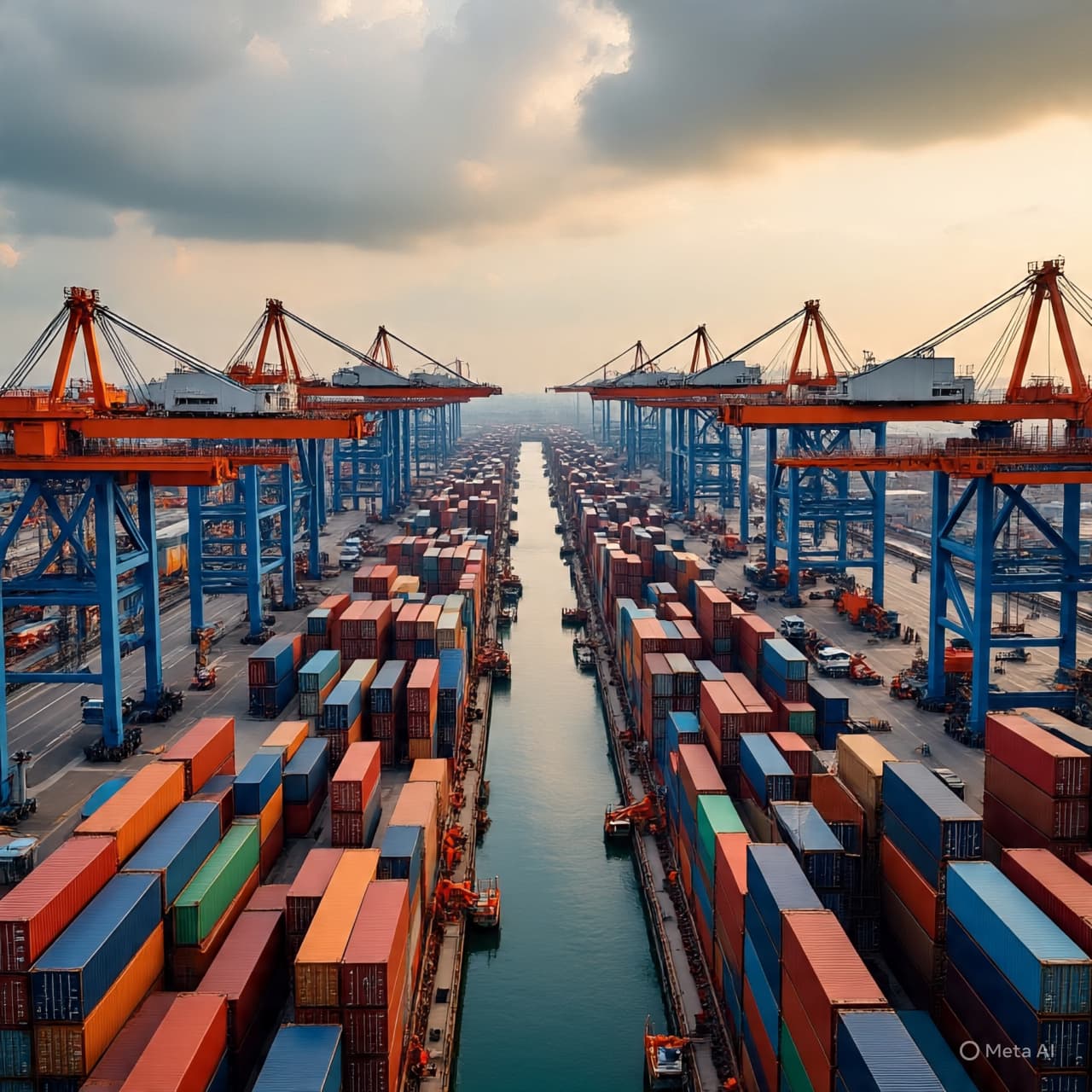
In this shifting landscape, Malaysia continues to hold a prominent position in both regional and global commerce. Its strategic ports connect to vital international shipping routes, and its factories produce components that are integral to global supply chains. As the U.S. investigation progresses, it marks the beginning of a process rather than its conclusion. U.S. officials will gather information and assess the policies under review, while Malaysian authorities and industry groups will likely present their perspectives as the inquiry develops.
Ultimately, the broader relationship between the U.S. and Malaysia remains a complex interplay of commerce, diplomacy, and negotiation. The ongoing investigation serves as a reminder of the intricate dynamics that shape global trade and the importance of maintaining open lines of communication between nations.
Published by Banx Network. This article is part of the Banx decentralized media programme, powered by the BXE token on the XRP Ledger.



