Across the world’s major shipping lanes, the cost of moving a container can change with the price of fuel. In September, that relationship became particularly visible as ocean freight rates moved rapidly toward levels last seen during the pandemic.
The spot rate for shipping a 40-foot container from China to the U.S. East Coast reached $10,948, according to Xeneta data cited by Reuters and published by Arab News. The rate had more than quadrupled since the beginning of the current conflict affecting energy markets.
The figure is approaching the pandemic-era record of $11,900 reached in January 2022 on the same broad trade route. The Shanghai-to-New York corridor is one of the busiest and most commercially significant routes for major container carriers.
Higher fuel costs have become a major part of the increase. The global 20-port average price for very-low-sulfur fuel oil, commonly used as bunker fuel by container ships, reached $901.50 per metric ton on September 17, compared with $543.50 on February 27.
Shipping companies generally recover some of those higher fuel expenses through surcharges and other pricing mechanisms. That means an increase in bunker prices can eventually become part of the cost paid by companies moving merchandise across international supply chains.
The Shanghai-to-New York rate tracked by Drewry also increased during the week, rising almost 7% to $10,394 per 40-foot container. Drewry and Xeneta use different methodologies, but both datasets showed strong upward movement in the route’s spot pricing.
Another factor is seasonal shipping demand. China’s Golden Week holiday in early October traditionally causes manufacturers and exporters to move additional cargo before factories close. Analysts cited by Reuters said that rush could place further pressure on available shipping capacity.
The implications extend far beyond shipping companies. Higher freight costs can affect importers, retailers and manufacturers, particularly for goods that travel long distances by sea before reaching consumers.
At the same time, freight rates do not move in isolation. Fuel prices, vessel capacity, port congestion, trade volumes and seasonal demand can all influence the final cost of transporting a container.
For businesses planning shipments between Asia and North America, the latest figures therefore represent another period of uncertainty. A container crossing the Pacific has once again become a useful measure of how energy prices and global logistics can intersect, with costs approaching levels that once seemed confined to the extraordinary disruptions of the pandemic era.
IMAGE DISCLAIMER
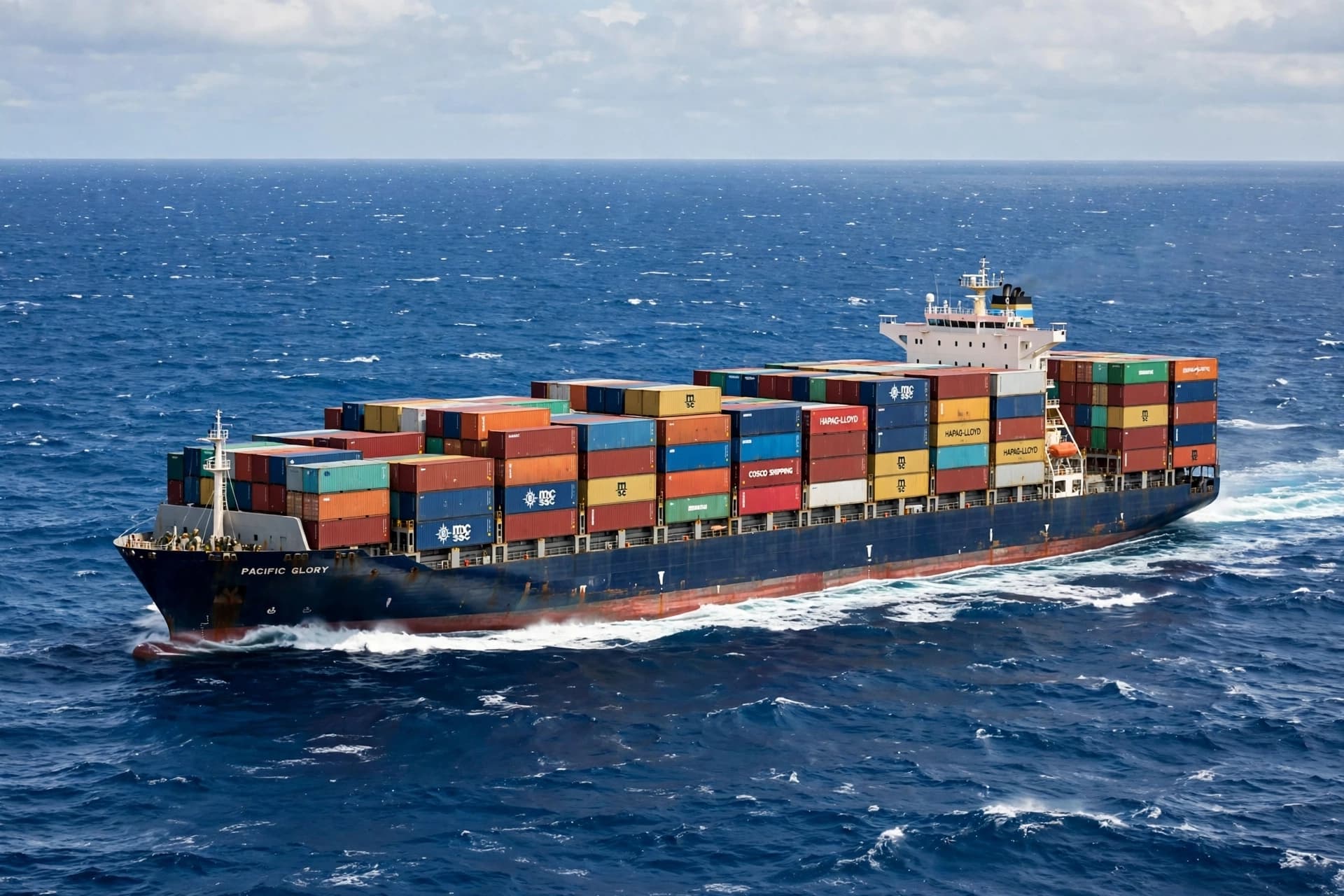
Visuals are AI-generated conceptual representations and are not actual photographs of the shipping routes or vessels described.
SOURCES
Reuters Arab News Xeneta Drewry Ship & Bunker
Published by Banx Network. This article is part of the Banx decentralized media programme, powered by the BXE token on the XRP Ledger.