

Key Highlights
- Recent reports indicate multiple migrant bodies found along Libya's coastline.
- The central Mediterranean is recognized as one of the deadliest migration routes globally.
- Humanitarian organizations are advocating for expanded rescue operations and protections for migrants.
The Mediterranean Sea has historically served as a bridge connecting continents, cultures, and civilizations. However, in recent years, it has also become a stark symbol of human struggle, reflecting the perilous choices faced by thousands seeking safety or opportunity beyond their borders. The ongoing migration crisis has drawn international attention, particularly as authorities in Libya recently reported the discovery of multiple migrant bodies along sections of the country's eastern coastline. This tragic finding has reignited global concern regarding the perilous migration routes across the central Mediterranean.
For many migrants, Libya acts as a crucial transit point on their journeys toward Europe. Individuals and families often embark on dangerous sea crossings in overcrowded and unseaworthy vessels, driven by the hope of reaching safer destinations despite the significant risks involved. The central Mediterranean has been identified as one of the world's deadliest migration corridors, with international organizations repeatedly warning about the dangers that persist in this region.
Harsh weather conditions, inadequate vessels, and the presence of human trafficking networks contribute to the ongoing dangers faced by migrants. Humanitarian agencies have been vocal in their calls for expanded rescue operations and stronger protections for vulnerable individuals. They emphasize the importance of addressing both immediate humanitarian needs and the underlying causes of migration, which include conflict, economic hardship, political instability, and climate-related pressures.
These complex issues often leave individuals with limited options, forcing them to undertake perilous journeys in search of a better life. European governments remain divided over migration policy, grappling with the balance between border management concerns and humanitarian responsibilities. Discussions surrounding asylum systems and burden-sharing continue across the region, reflecting the ongoing challenges in addressing this multifaceted crisis.
As rescue efforts proceed, humanitarian organizations stress that every statistic represents individual lives and families. The international community's attention remains focused on improving safety measures and preventing further tragedies at sea. The need for a coordinated response that prioritizes the safety and dignity of migrants has never been more urgent.
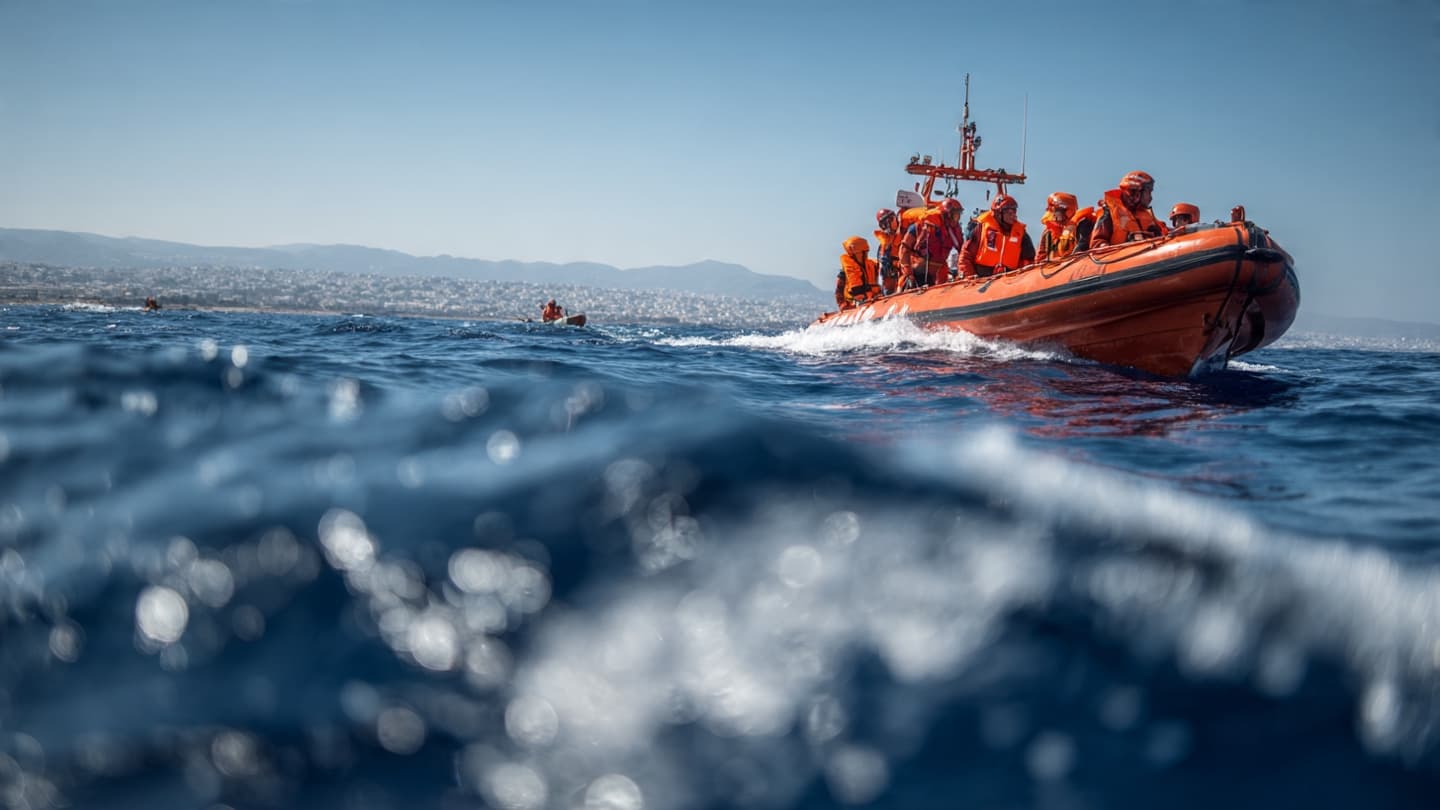
AI Image Disclaimer: Visual materials accompanying this article are AI-generated illustrations and should not be interpreted as documentary images.
Published by Banx Network. This article is part of the Banx decentralized media programme, powered by the BXE token on the XRP Ledger.




