
Key Highlights
- Iranian forces launched missile strikes against Kurdish opposition bases in Iraq.
- The strikes are framed as a preemptive response to perceived threats from separatist militants.
- The Kurdistan Regional Government denies involvement in attacks against Iran.
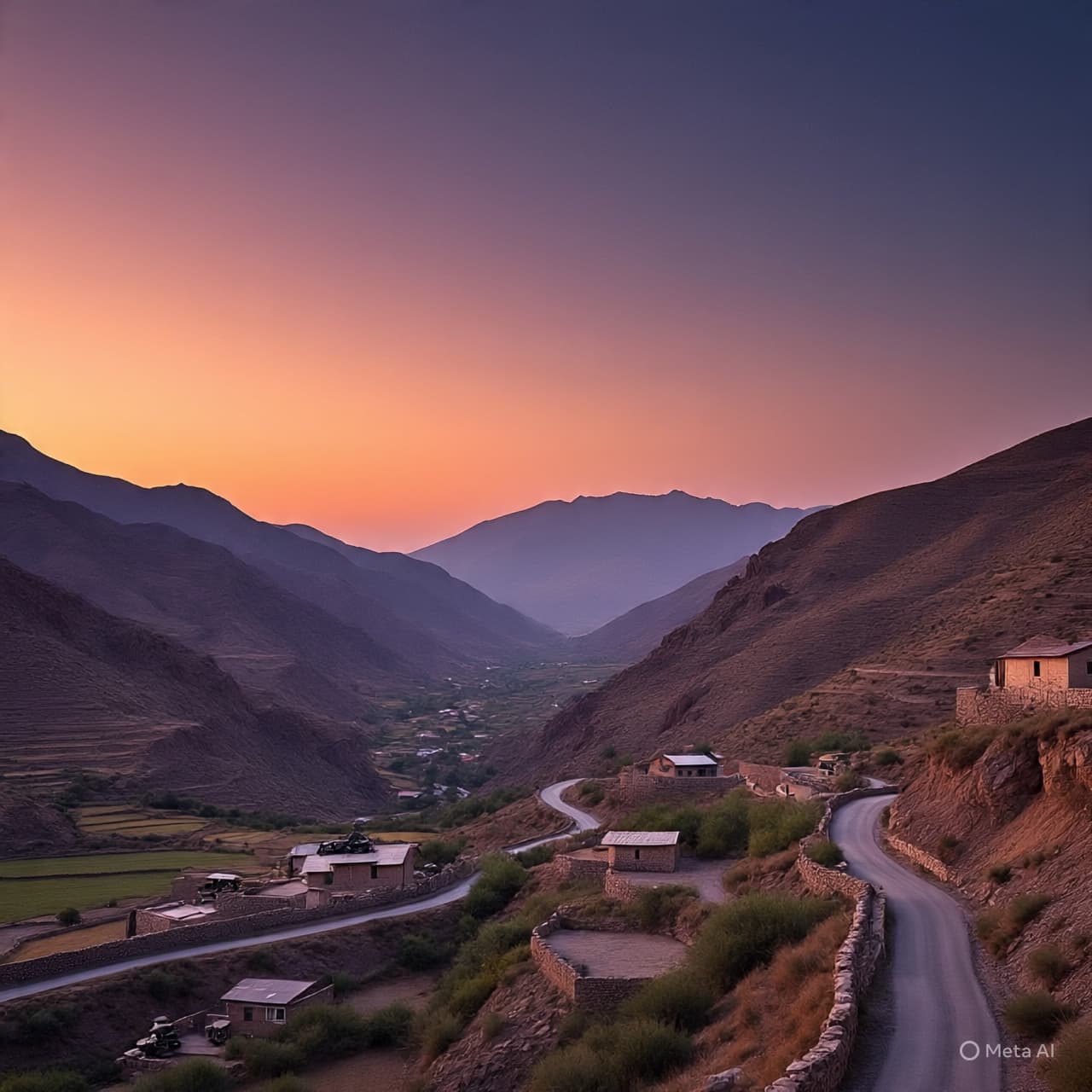
The mountainous terrain between Iran and Iraq has long been a silent witness to the complexities of regional politics. Recently, however, this quiet has been shattered by the sound of missiles and drones, as Iranian forces targeted Kurdish opposition groups in northern Iraq. These strikes, which occurred in early March, are part of a broader narrative of escalating tensions in the Middle East, where Iran's actions are closely monitored by both regional and international players.
Iranian officials have characterized the missile and drone strikes as necessary preemptive measures against Kurdish factions that they accuse of planning incursions into Iranian territory. Reports indicate that several projectiles landed near Erbil and Sulaymaniyah, areas known to host camps for groups like Komala and other Kurdish opposition organizations. This military action underscores Iran's commitment to maintaining its territorial integrity amid rising regional instability.
The Kurdish dimension of this conflict is particularly significant, as it intertwines with the interests of various external actors. Analysts suggest that Western and Israeli strategists may be considering the mobilization of Kurdish groups as a counterbalance to Iranian influence. This potential for increased Kurdish involvement in regional conflicts raises the stakes for all parties involved, as the mountains that separate Iran from Iraq transform into strategic battlegrounds.
In response to the Iranian strikes, the Kurdistan Regional Government (KRG) has publicly distanced itself from any actions that could be interpreted as hostile towards Iran. KRG officials have reiterated their commitment to stability and have emphasized that their territory should not be used as a launchpad for attacks against neighboring countries. This stance reflects the KRG's desire to navigate a precarious geopolitical landscape while maintaining its autonomy and security.
The ramifications of these tensions extend beyond the immediate conflict. Iranian-aligned militias in Iraq have issued warnings that any support for operations against Iran could lead to retaliatory strikes against Western interests in the region. This creates a complex web of alliances and threats that complicates the already volatile situation.
As life continues in the Kurdish towns nestled in the mountains, the specter of conflict looms large. Daily routines persist amid the backdrop of military activity, with markets bustling and children attending school. Yet, the uncertainty of the geopolitical landscape casts a shadow over these ordinary moments, as the potential for escalation remains ever-present.
In summary, the recent Iranian missile strikes against Kurdish opposition bases in Iraq highlight the intricate interplay of regional tensions. With the involvement of multiple actors, including Israel and the United States, the situation is fraught with potential for further conflict. The night skies over the Kurdish mountains may continue to illuminate the ongoing struggle for power and influence in this strategically significant region.
Published by Banx Network. This article is part of the Banx decentralized media programme, powered by the BXE token on the XRP Ledger.



