In the hills of northern Israel, evenings often arrive gently. The light softens over vineyards and stone homes, and the roads winding through the Galilee begin to empty into stillness. Yet in recent months, the calm has rarely remained untouched for long. Sirens have become part of the landscape now—brief mechanical interruptions that fold into the sounds of distant traffic, barking dogs, and the shifting wind coming down from the Lebanese border.
On Thursday night, that fragile rhythm fractured again.
Israeli emergency services and military officials reported that three people were wounded after an explosive drone launched from Lebanon struck an area in northern Israel. Two of the injured were said to be in serious condition, while a third sustained lighter wounds. The drone attack was later claimed by Hezbollah, the Lebanese armed group that has exchanged near-daily cross-border fire with Israel since the war in Gaza widened into a broader regional confrontation.
The incident unfolded against the backdrop of a long and uneasy frontier—one shaped by geography as much as history. Northern Israel and southern Lebanon sit close enough that villages on clear days can almost seem within reach of one another across the hills. Yet over the past year, those same ridgelines have carried smoke plumes, artillery echoes, and surveillance drones that move invisibly through cloud and darkness.
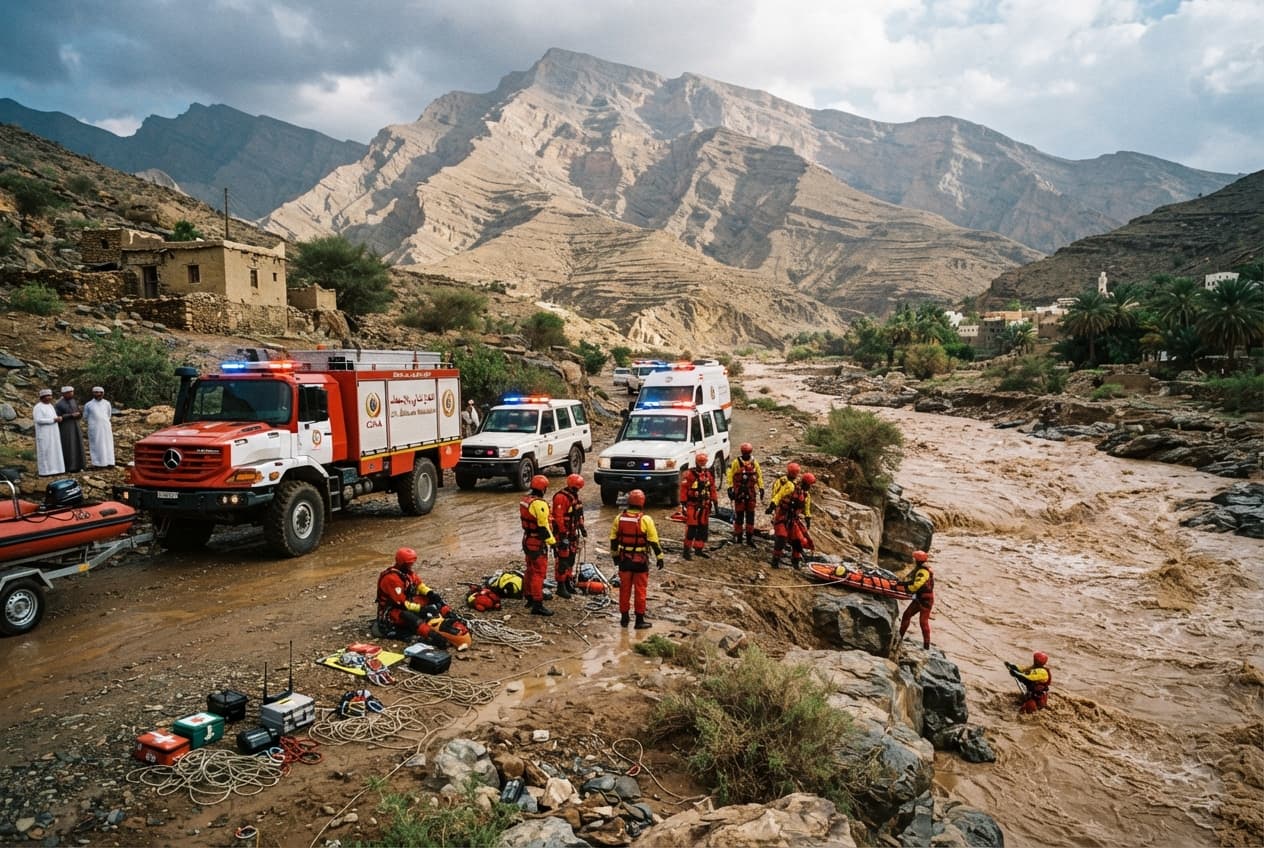
Israeli authorities said the drone crossed into Israeli territory before detonating near a populated area. Ambulance teams arrived quickly, carrying the wounded through roads already familiar with emergency convoys. In nearby communities, residents reportedly moved into shelters as warning systems sounded across the region. The military later stated that air defense systems and fighter aircraft were deployed in response, while investigations continued into how the drone penetrated northern airspace.
Hezbollah described the strike as part of its continuing operations against Israeli military positions and infrastructure near the border. Since October 2023, the exchange of attacks between Hezbollah and Israel has settled into an uneasy and dangerous rhythm: rocket launches at dawn, artillery fire at dusk, drones appearing briefly over forests and border towns before disappearing again into wider skies.
For civilians living along the frontier, time itself has changed shape. Schools in some communities remain partially closed or relocated. Families displaced months ago continue to wait in hotels or temporary housing farther south. In southern Lebanon, villages damaged by Israeli airstrikes face similar interruptions—empty streets, shuttered shops, and orchards left untended beneath surveillance aircraft.
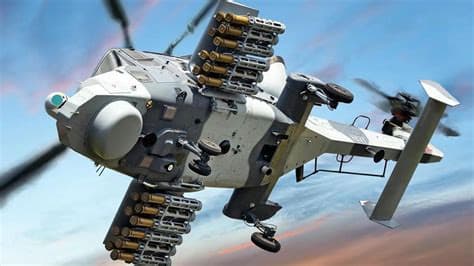
The use of drones has altered the atmosphere of the conflict in quieter but profound ways. Unlike artillery, drones arrive with uncertainty. They hover unseen until the final moment, compressing fear into silence rather than noise. Military analysts have noted that both Hezbollah and Israel increasingly rely on unmanned systems for reconnaissance and strikes, turning the border into a testing ground for modern aerial warfare conducted at low altitude and close range.
Yet despite the technology, the scenes that follow remain deeply human. Emergency workers carrying stretchers beneath flashing lights. Families calling relatives after sirens fade. Soldiers scanning darkened hillsides where nothing visible moves anymore.
Diplomatic efforts led by the United States and European mediators continue in parallel with the fighting, seeking to prevent a broader regional war. But each new strike, each wounded civilian or soldier, seems to remind the region how narrow the distance remains between contained conflict and something wider.
By early morning, traffic had resumed along some northern roads. News alerts continued to circulate across phones and televisions, while military helicopters crossed the border skies before fading again into the horizon. The hills remained where they always had—green in places, rocky in others, suspended between neighboring countries that have spent decades watching one another through smoke, memory, and vigilance.
And somewhere beyond the border fence, beneath the same night air drifting across both sides of the frontier, another drone may already have been preparing for flight.
AI Image Disclaimer Visual representations in this article were produced using AI-assisted tools and are intended for illustrative purposes only.
Sources Reuters Associated Press Al Jazeera The Times of Israel Agence France-Presse
Published by Banx Network. This article is part of the Banx decentralized media programme, powered by the BXE token on the XRP Ledger.