The Moon has always seemed close.
On clear nights it hangs above the horizon, steady and familiar, its pale surface reflecting sunlight across oceans and cities alike. For centuries it has appeared almost within reach, a companion in the sky whose presence feels constant and uncomplicated.
Yet the path to its surface is anything but simple.
Between Earth and the Moon lies a distance not measured only in miles, but also in engineering, patience, and time. Rockets must rise beyond gravity’s pull, spacecraft must navigate the cold silence of space, and—perhaps most crucially—vehicles must safely bring astronauts down to the lunar ground and back again.
It is this final step that has recently drawn renewed scrutiny within the Artemis program, the effort led by NASA to return humans to the Moon for the first time in more than half a century.
A report released by the U.S. Government Accountability Office has raised concerns about delays in the development of the lunar lander system intended to carry astronauts from orbit to the Moon’s surface. According to the review, progress on the spacecraft has fallen behind schedule, increasing the risk that future Artemis missions could slip further into the future.
The lander is a central piece of the architecture for missions such as Artemis III, which aims to place astronauts near the Moon’s south pole. Unlike earlier Apollo missions, the Artemis plan relies on a commercial partnership model, in which private companies design and build the landing vehicles.
One of the primary systems under development is Starship Human Landing System, a modified version of the massive spacecraft being developed by SpaceX. The vehicle is intended to transport astronauts from lunar orbit down to the surface and later return them to their spacecraft in orbit.
But building a lander capable of performing these tasks involves numerous technical challenges. Engineers must design propulsion systems that function reliably in lunar gravity, ensure the spacecraft can refuel in orbit, and demonstrate safe descent and ascent capabilities in a harsh and unfamiliar environment.
According to the GAO report, several of these milestones remain unfinished, and the schedule required to complete them is increasingly tight. The report also notes that testing campaigns and technical demonstrations are still underway, leaving limited margin before planned mission timelines.
This situation is not unusual in the history of space exploration. Major programs often move forward in cycles of acceleration and pause, shaped by engineering realities as much as ambition. The Apollo missions themselves—now remembered as swift achievements—were built on years of intense development, trial, and revision.
Today’s lunar efforts involve even more complex systems and partnerships. The Artemis architecture includes new rockets, spacecraft, space stations in lunar orbit, and landers developed by commercial providers.
Each element must function not only on its own, but as part of a larger choreography.
In the meantime, engineers continue testing hardware and refining designs while agencies and contractors assess schedules and technical readiness. The Moon remains the destination, steady in its orbit above Earth, waiting as it always has.
The Government Accountability Office report concludes that delays in lunar lander development could affect the timeline for future Artemis missions, including the planned Artemis III landing. NASA and its partners are continuing work on the lander system, with further testing and development expected in the coming years.
AI Image Disclaimer
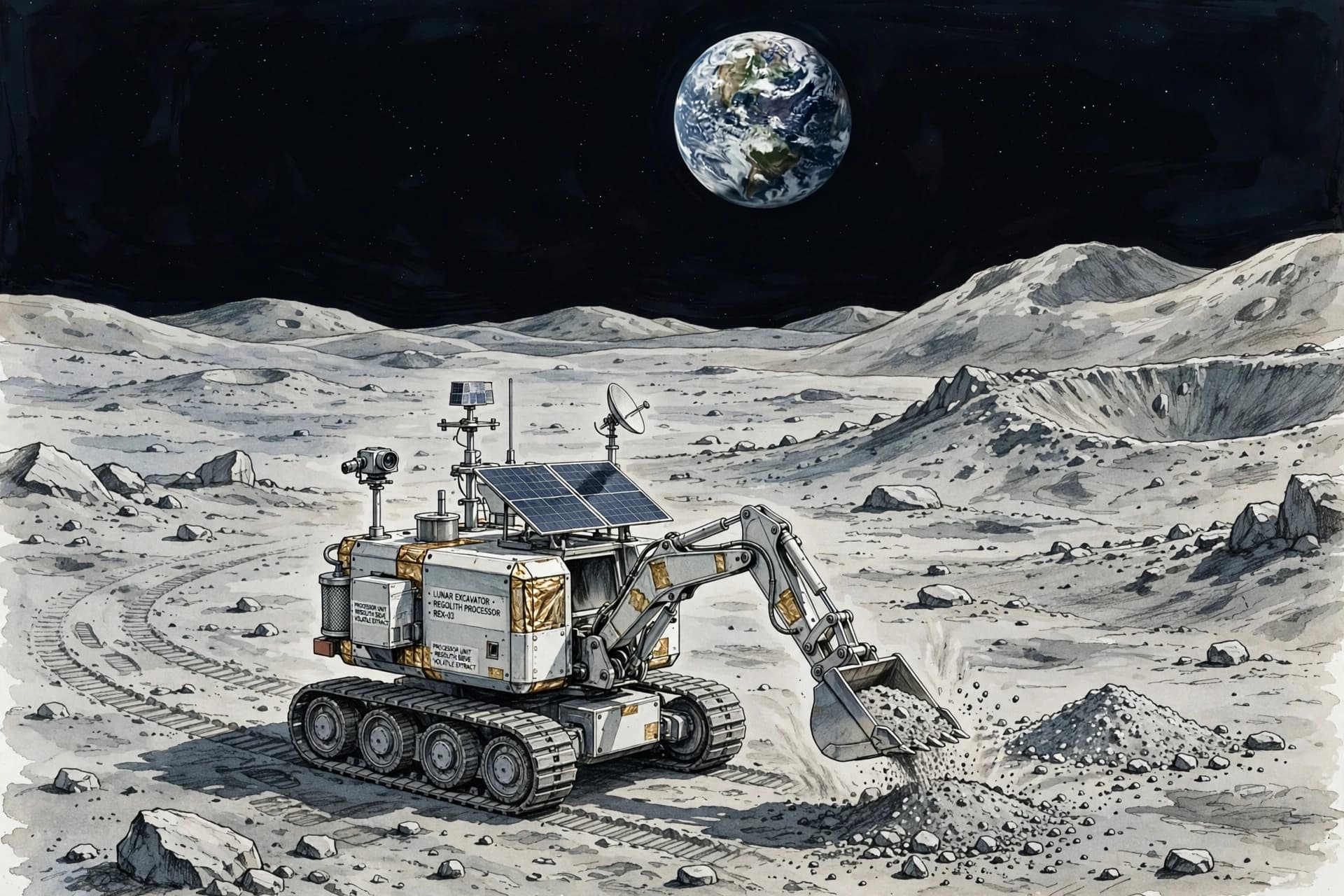
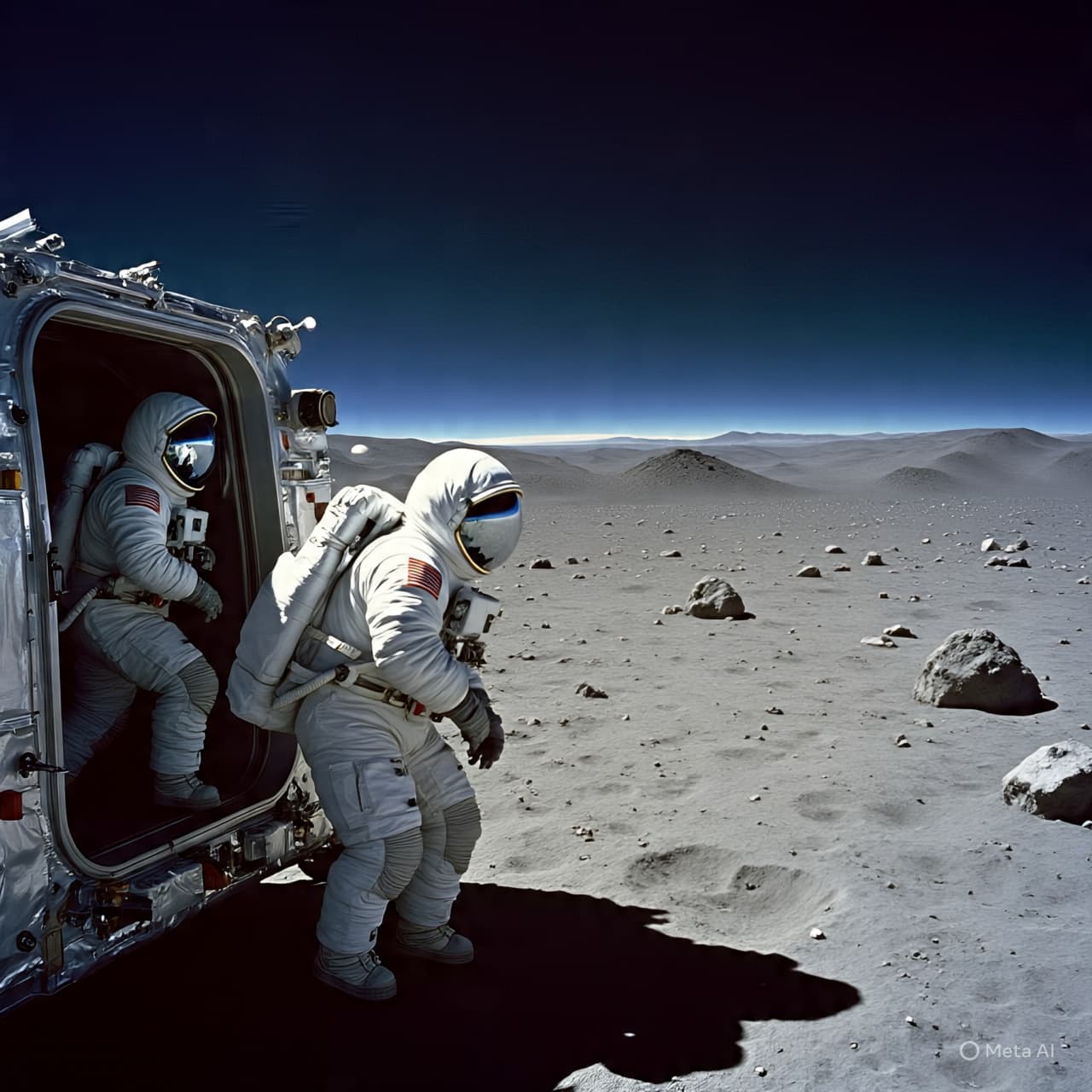
Images accompanying this article are AI-generated visualizations intended to represent the concepts described.
Source Check
Credible coverage and/or reporting exist from:
Space.com Reuters SpaceNews Ars Technica Space.com CNBC
Published by Banx Network. This article is part of the Banx decentralized media programme, powered by the BXE token on the XRP Ledger.