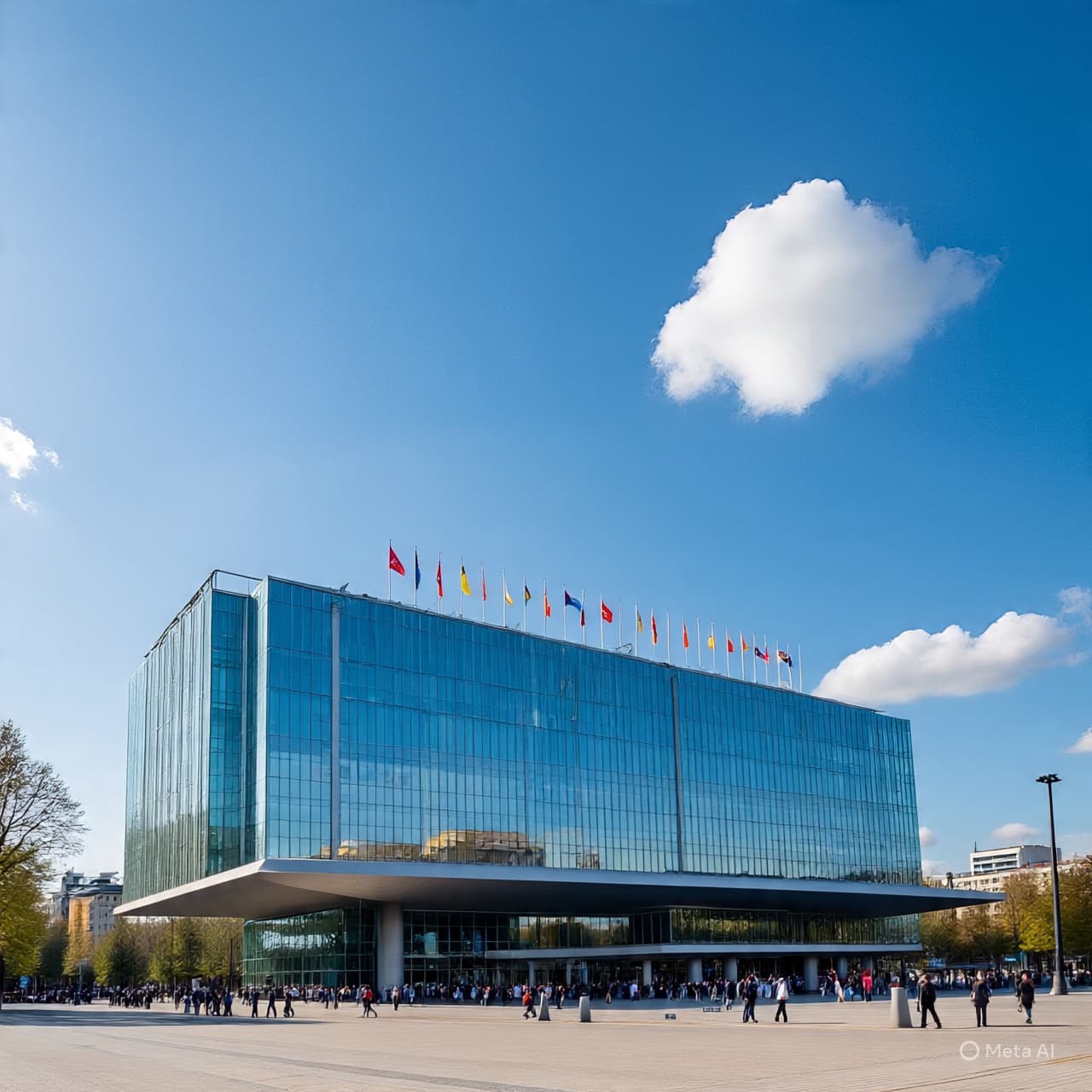
Morning light in Brussels often filters through glass façades and settles on polished conference tables, where flags stand in careful symmetry and translation headsets wait in stillness. Decisions here are rarely dramatic in tone; they arrive through procedure, consensus, and the slow turning of institutional gears. Yet sometimes, even in these quiet rooms, motion pauses.
In recent days, efforts by the European Union to finalize additional support measures for Ukraine encountered resistance from Hungary. The result was a visit and a series of diplomatic engagements that unfolded without the formal endorsement of new collective commitments many had anticipated.
EU leaders have, since the start of Russia’s full-scale invasion in 2022, approved multiple packages of financial assistance, military aid, and sanctions. These measures, often described as expressions of European solidarity, have required unanimity among member states. It is a structure designed to preserve cohesion, yet one that grants each capital a decisive voice.
Hungary’s government, led by Viktor Orbán, has frequently urged caution regarding additional funding and long-term security guarantees for Ukraine. Budapest has cited concerns over escalation, economic strain, and the broader strategic direction of the conflict. While other member states pressed for renewed commitments, Hungary withheld its support, effectively preventing consensus.
The immediate consequence was procedural rather than theatrical. Meetings continued. Statements were issued. Leaders reiterated political backing for Kyiv’s sovereignty. But the absence of a unified agreement on new aid cast a quieter shadow over the proceedings. Diplomacy, like architecture, is often defined by what is built—and by what remains unfinished.
For Ukraine, whose leadership has consistently appealed for sustained European assistance, such delays carry tangible implications. Military planning, reconstruction efforts, and economic stabilization depend not only on promises but on timely execution. Even temporary hesitation within Brussels can ripple outward toward the front lines and the national budget.
Within the EU, the episode reflects broader tensions about decision-making in times of crisis. Unanimity safeguards national sovereignty but can slow collective action. Calls for reforming voting mechanisms have surfaced periodically, though altering treaty structures would itself require agreement among the same member states.
Hungary has maintained that its stance does not signal opposition to Ukraine’s independence, but rather a different assessment of strategy and priorities. Other EU governments have expressed frustration, emphasizing the need for cohesion amid ongoing war on the continent’s eastern edge.
In direct terms, EU leaders were unable to secure unanimous approval for additional support measures for Ukraine due to Hungary’s objection. Discussions are expected to continue, and no final decision has been announced regarding the timing or structure of future aid packages.
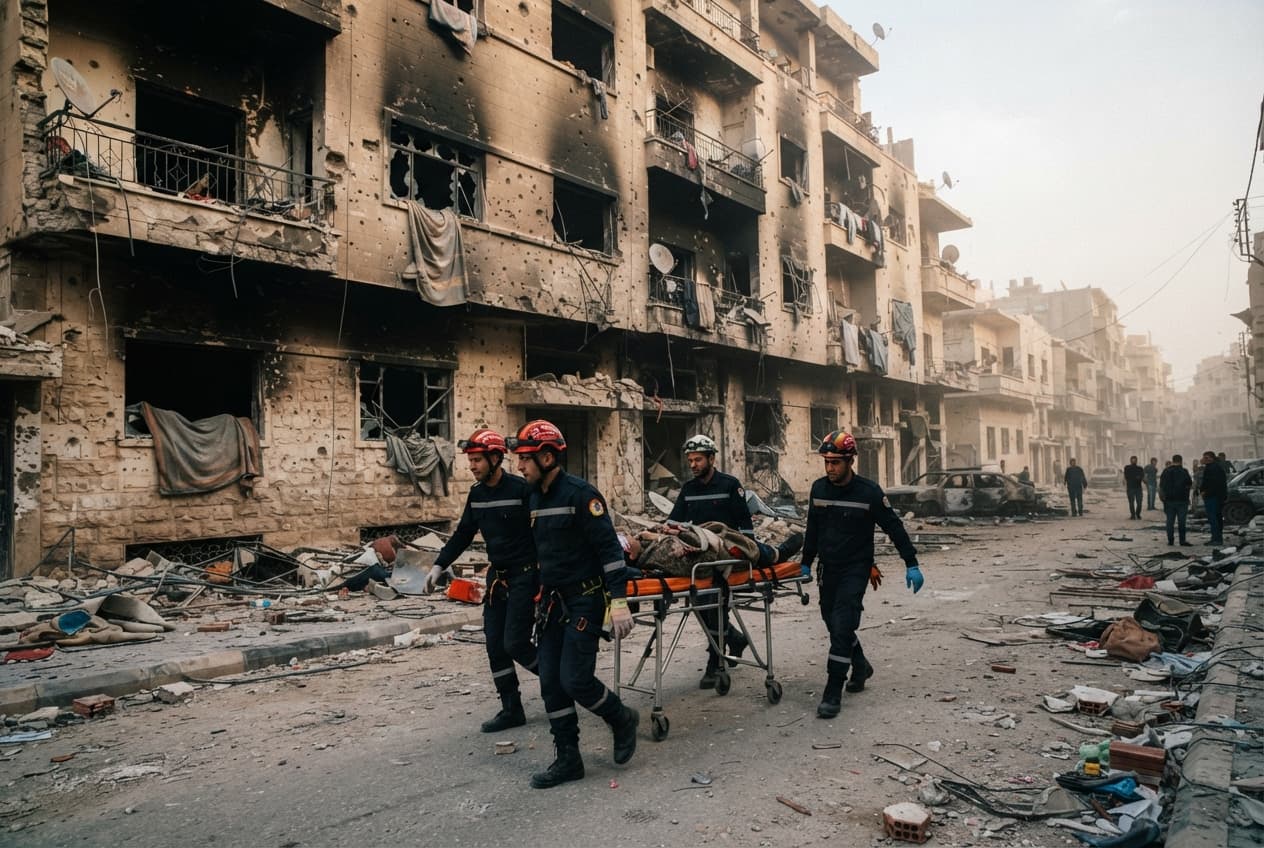
AI Image Disclaimer Illustrations were created using AI tools and serve as conceptual representations.
Sources (Media Names Only) Reuters Associated Press Politico Europe BBC News Euronews
Published by Banx Network. This article is part of the Banx decentralized media programme, powered by the BXE token on the XRP Ledger.