
Key Highlights
- Deployment:USS Gerald R. Ford is redeploying to the Middle East.
- Tensions:The move comes amid rising tensions with Iran over nuclear negotiations.
- Military Presence:The carrier joins USS Abraham Lincoln and other vessels in the region.
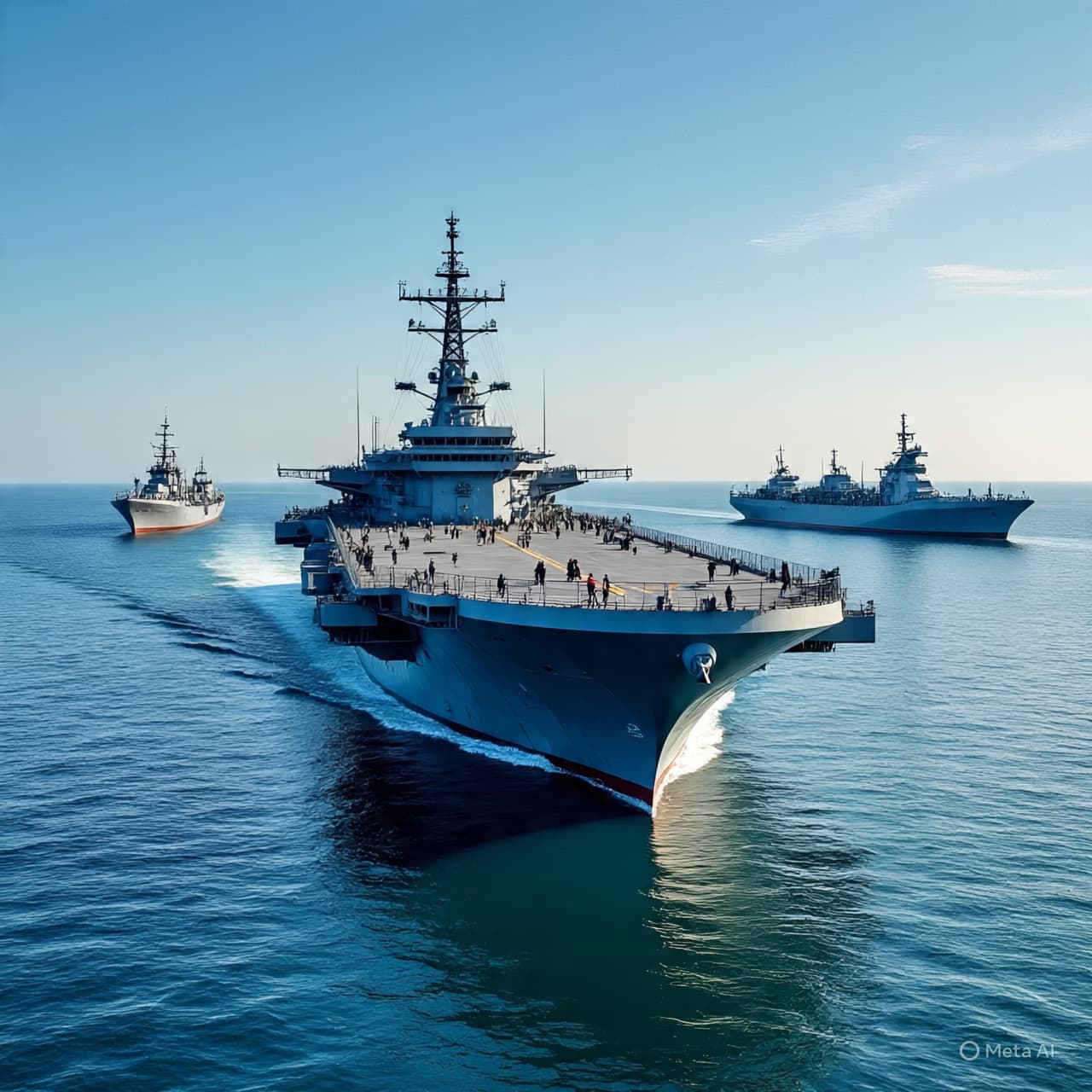
The USS Gerald R. Ford, the largest and most advanced aircraft carrier in the world, is currently on a significant mission as it departs from the Caribbean towards the Middle East. This deployment is not merely a routine naval operation; it represents a critical moment in U.S. military strategy amid ongoing geopolitical tensions, particularly concerning Iran's nuclear ambitions. The carrier's journey is a tangible manifestation of the complex interplay between military readiness and diplomatic negotiations.
Ordered to redeploy by U.S. leadership, the USS Gerald R. Ford will join the USS Abraham Lincoln and a fleet of destroyers, enhancing the U.S. naval presence in a region that has seen escalating tensions. The decision to move these vessels comes as discussions around Iran's nuclear program intensify, with the U.S. and its allies seeking to deter any aggressive actions while also navigating the delicate landscape of international diplomacy.
For many observers, the movement of an aircraft carrier may seem abstract, yet it carries profound implications. The physical presence of such military assets serves as a powerful signal to both allies and adversaries. In an era where diplomatic communications can often be ambiguous or delayed, the deployment of a carrier like the Ford is a clear statement of intent. It underscores the U.S. commitment to maintaining stability in the region and serves as a reminder of the potential for military action should diplomatic efforts fail.
The USS Gerald R. Ford, equipped with cutting-edge technology and a full complement of aircraft, symbolizes both readiness and restraint. Its flight decks are not merely platforms for launching jets; they represent a strategic posture that balances the need for deterrence with the desire for diplomatic solutions. As the carrier sails across the Atlantic, it embodies the complexities of modern warfare, where military might and diplomatic negotiations are inextricably linked.
However, this deployment has sparked discussions within military circles regarding the sustainability of prolonged naval operations. Concerns have been raised about the welfare of sailors and the operational readiness of the fleet after extended deployments. The Ford has already spent considerable time at sea, raising questions about the balance between maintaining a strong military presence and ensuring the well-being of personnel.
For the crew aboard the USS Gerald R. Ford, this mission is both a professional obligation and a personal journey. Life at sea involves rigorous training, long hours, and a shared understanding of the ship's role in a larger narrative of international relations. As they navigate the waters toward their destination, the crew is acutely aware that their actions may influence the course of diplomatic discussions and military strategies.
As the USS Gerald R. Ford continues its journey into strategic waters, the global community watches closely. Its presence is not just a military maneuver; it is a critical element in the ongoing dialogue surrounding Iran's nuclear capabilities, regional alliances, and the broader balance of power. Whether the carrier serves as a stabilizing force or a contingency for unforeseen developments remains to be seen, but its deployment is a pivotal moment in the intricate dance of diplomacy and defense that characterizes contemporary international relations.
Published by Banx Network. This article is part of the Banx decentralized media programme, powered by the BXE token on the XRP Ledger.



