The coastal towns of Madagascar are deeply bound to the rhythms of the Indian Ocean, their histories written in the salty spray and the regular arrival of wooden trading vessels. Along these shorelines, life moves to the slow pulse of the tides, with fishermen launching their outrigger canoes into the dawn mist while merchants await cargoes of vanilla and cloves. The sea has always been a generous provider and a gateway to the wider world, an open highway that defines the island’s economic existence.
Yet, that vast blue horizon has recently taken on a more ominous character as an unexpected spike in maritime piracy threatens the security of these littoral communities. Small, fast skiffs operating from hidden coves have begun targeting regional cargo ships and fishing vessels, introducing an element of modern lawlessness into the shipping lanes. The open waters, once viewed as a space of opportunity, are now scanned with a new, collective apprehension by those who make their living on the waves.
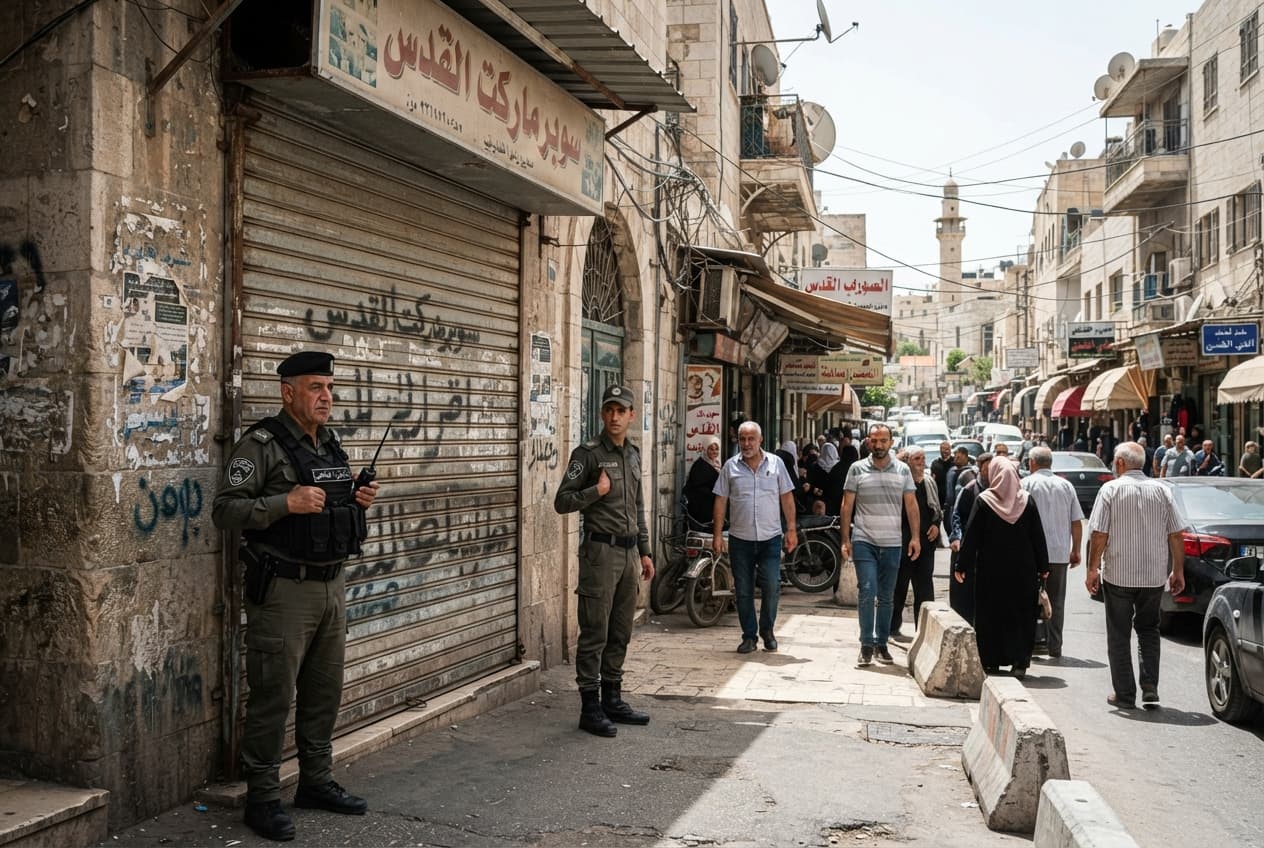
In response to this maritime vulnerability, the state has initiated a significant tightening of security across major ports and coastal enclaves. Naval patrols have been increased, and maritime authorities are working to establish a more coordinated surveillance grid along the vulnerable coastlines. The sight of armed patrol boats cutting through the surf creates an unfamiliar, militarized silhouette against the traditional background of swaying palms and sandy beaches.
For the local fishermen and small-scale traders, the enhanced security measures provide a necessary reassurance, but they also underscore the shifting nature of their environment. Daily routines are now subject to new regulatory checks, and vessel movements are monitored with an intensity previously reserved for major international harbors. The conversations on the docks are dominated by tactical logistics, as captains share information about recent sightings and discuss safer navigation routes.
The roots of this maritime unrest are often linked to the economic isolation of remote coastal districts, where a lack of enforcement allows illicit networks to take hold. Piracy thrives in the spaces where official governance is thin, exploiting the vastness of the ocean to disrupt legitimate trade lines. Reclaiming these waters requires not just physical force, but a sustained commitment to improving the livelihoods of the coastal populations.
As evening falls over the western ports, the lighthouses sweep their white beams across the dark water, illuminating the incoming swell with a cold, rhythmic regularity. The security personnel stand watch on the stone piers, their eyes fixed on the point where the dark sea meets the starlit sky. The ocean continues to lap against the wooden hulls, a timeless presence that modern authority is working to tame.
Madagascar authorities have implemented enhanced security protocols across several coastal towns and maritime hubs following a recent surge in piracy incidents. The defense ministry confirmed the deployment of additional naval assets and specialized coast guard units to patrol vulnerable shipping lanes and protect commercial fishing vessels. Port officials are working in coordination with international maritime security agencies to improve radar surveillance and secure regional trade corridors.
Published by Banx Network. This article is part of the Banx decentralized media programme, powered by the BXE token on the XRP Ledger.