
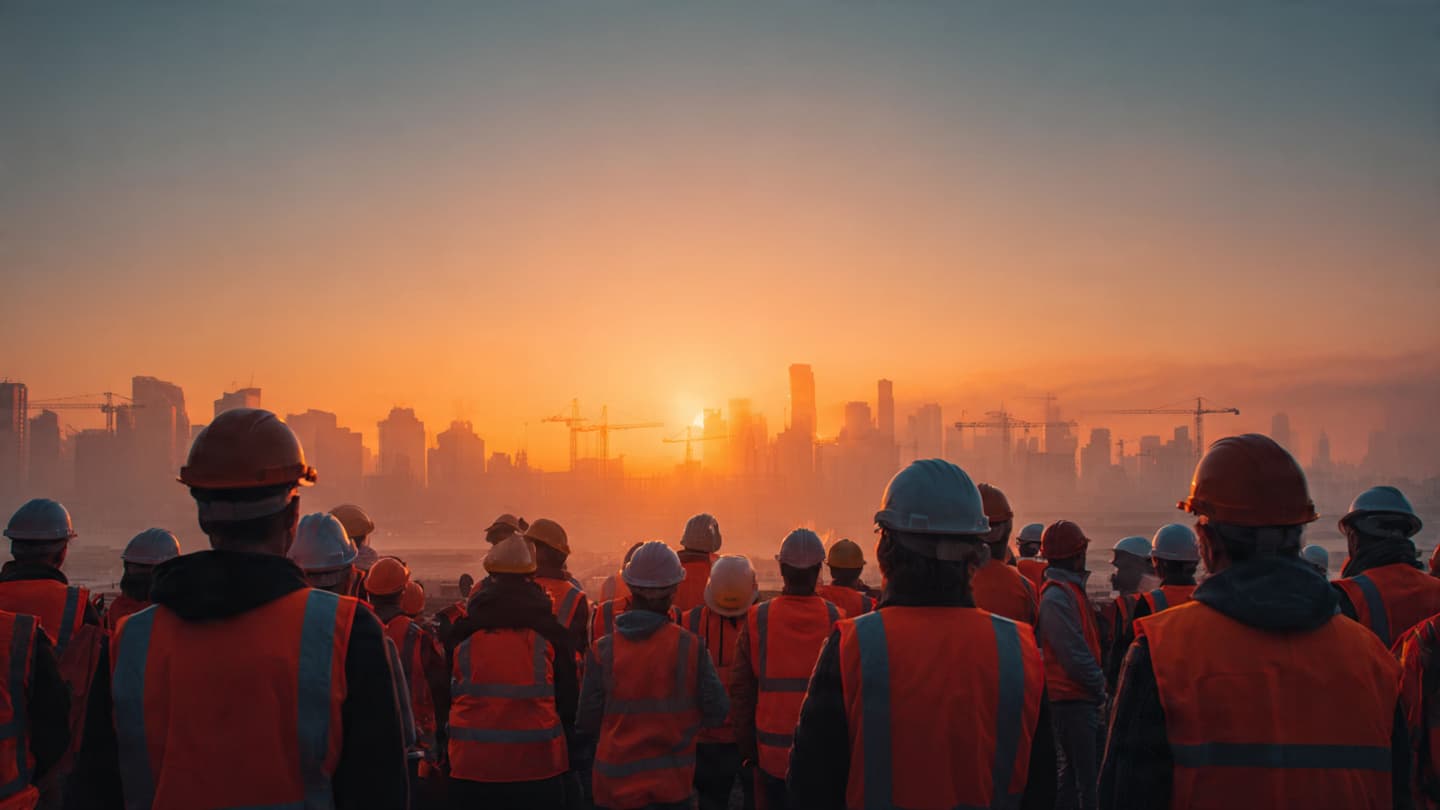
The relationship between work and weather has existed for centuries. Farmers, builders, merchants, and laborers have always adapted to changing seasons. Yet in modern economies, daily schedules often follow routines that seem independent of environmental conditions. France’s current heatwave is challenging that assumption, prompting many businesses to reconsider how and when work is performed.
Across multiple sectors, employers have introduced measures designed to reduce exposure to extreme temperatures. Construction firms, delivery services, agricultural operations, and outdoor maintenance teams are among those most directly affected. In many cases, working hours have been shifted toward cooler morning periods while limiting activity during the hottest parts of the day.
The adjustments reflect growing awareness of heat-related health risks. Medical experts warn that prolonged exposure to high temperatures can affect concentration, productivity, and physical well-being. Preventive measures therefore focus on reducing risk before it becomes a workplace safety issue.
Employees have generally welcomed efforts to improve conditions. Access to drinking water, shaded rest areas, additional breaks, and modified schedules have become increasingly common during the heatwave. These practical steps help maintain both safety and operational continuity.
Business leaders note that flexibility has become an important management tool. Adapting schedules may involve logistical challenges, but many organizations view such changes as necessary under exceptional weather conditions. The ability to respond quickly helps reduce disruptions while supporting employee welfare.
The heatwave has also accelerated discussions about workplace resilience. As temperatures become more unpredictable, companies are evaluating long-term strategies for adapting facilities, equipment, and operational practices. Investments in cooling systems and workplace improvements are receiving greater attention.
Labor experts suggest that environmental conditions are becoming an increasingly important factor in workforce planning. The relationship between climate and productivity is now part of broader conversations about occupational health and economic sustainability.
Government agencies continue providing guidance aimed at helping employers navigate challenging conditions. Recommendations focus on hydration, ventilation, scheduling flexibility, and awareness of heat-related symptoms. These measures support a coordinated approach across multiple sectors.
For workers whose responsibilities require outdoor activity, adaptation often involves balancing professional obligations with personal well-being. The recent heatwave has highlighted the importance of supportive workplace practices that recognize environmental realities.
As France moves further into summer, businesses are expected to continue monitoring conditions and adjusting operations where necessary. The experience serves as a reminder that even in highly modern economies, weather remains a powerful force capable of influencing how societies organize work, productivity, and daily life.
AI IMAGE DISCLAIMER:
Graphics are AI-generated and intended for representation, not reality.
SOURCES:
Reuters Le Monde Associated Press France 24 The Guardian
Note: This article was published on BanxChange.com and is powered by the BXE Token on the XRP Ledger. For the latest articles and news, please visit BanxChange.com