
Key Highlights
- Major Operation:International law enforcement disrupts cocaine trafficking routes across the Atlantic.
- Arrests Made:Multiple arrests and significant cocaine seizures reported.
- Ongoing Investigations:Authorities continue to investigate trafficking networks and their financial structures.
[Operation Overview] Across the Atlantic Ocean, shipping lanes and trade routes carry the ordinary rhythms of global commerce each day. Cargo vessels move steadily between continents, fishing boats drift across open waters, and ports remain busy with the constant exchange of goods and people. Yet hidden within those vast maritime corridors, another network has quietly operated for years — one shaped not by trade agreements, but by organized crime and the immense profits tied to narcotics trafficking.
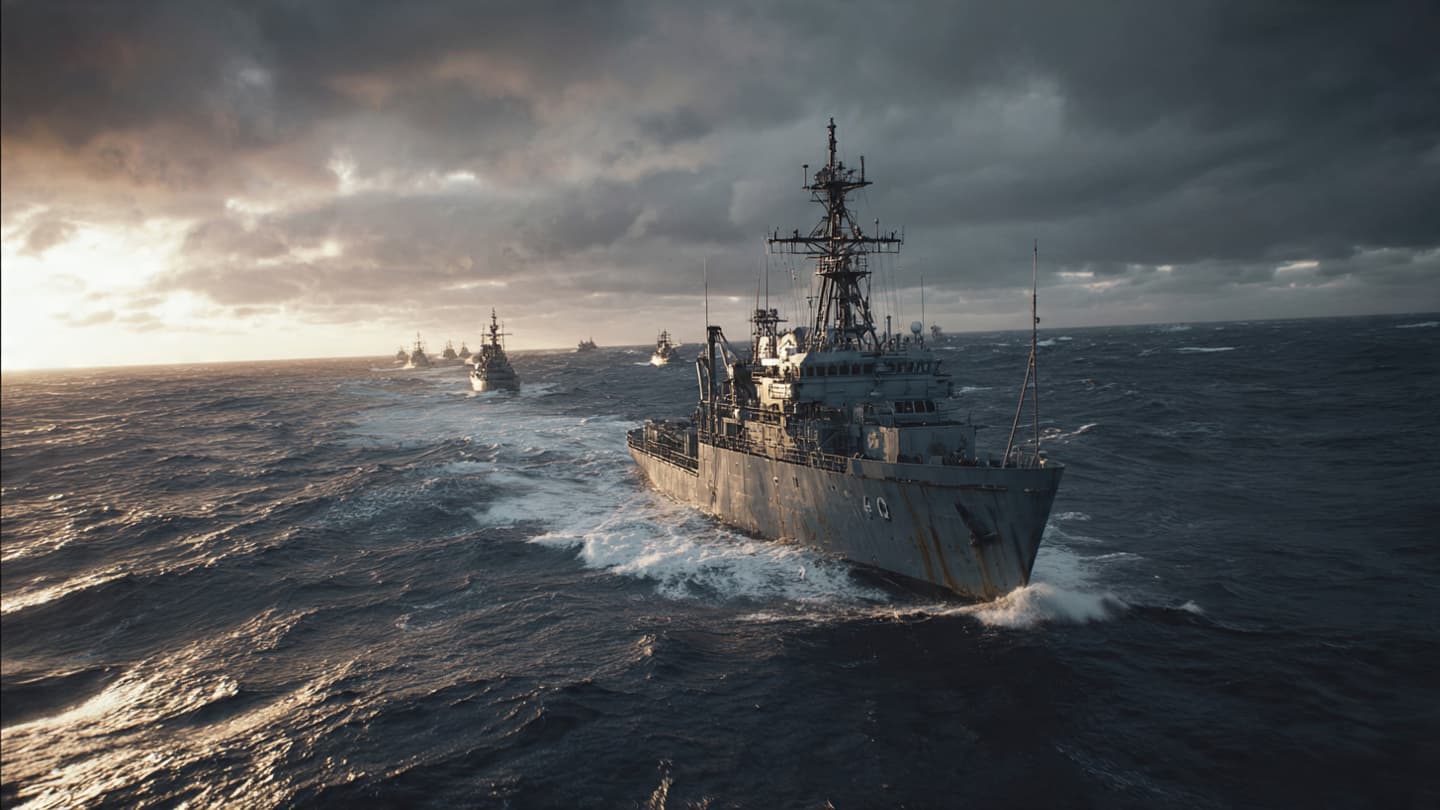
International law enforcement agencies recently announced a major coordinated operation targeting what investigators described as a “cocaine highway” stretching across the Atlantic Ocean. Authorities stated that the operation disrupted trafficking routes connecting South America, West Africa, and Europe, regions long identified as key transit corridors for large-scale cocaine shipments. This operation underscores the ongoing battle against drug trafficking and the complexities involved in combating such organized crime.
[Coordinated Efforts] Officials from several countries collaborated through intelligence sharing, maritime surveillance, and coordinated raids. The effort reportedly involved agencies from Europe, Latin America, and Africa, alongside international organizations focused on combating transnational organized crime. Authorities stated that multiple arrests were carried out and significant quantities of cocaine were seized during the operation, marking a significant blow to the networks involved.
[Criminal Networks and Adaptation] Investigators believe that criminal networks increasingly relied on Atlantic maritime routes to transport cocaine from production centers in South America toward European markets. West African coastal nations have frequently emerged as transit hubs due to their strategic location and challenges involving border enforcement, corruption, and limited maritime resources. This operation highlights the adaptability of traffickers, who have modified their transportation methods to evade detection.
[Impact on Coastal Communities] For many coastal communities affected by drug transit networks, the consequences often extend beyond criminal activity itself. Officials in several countries have warned that narcotics trafficking can contribute to corruption, local violence, economic instability, and strain on already limited law enforcement resources. The operation serves as a reminder of the broader societal impacts of drug trafficking, emphasizing the need for comprehensive strategies to address these interconnected challenges.
[Continued Challenges] European officials noted that cocaine consumption and seizures across the continent have remained historically high in recent years. Analysts say strong demand in European markets continues driving trafficking expansion, encouraging criminal organizations to diversify routes and strengthen international partnerships. The Atlantic corridor has therefore become a focal point in global anti-narcotics enforcement efforts, with authorities committed to dismantling these networks.
[Future Investigations] Authorities stated that investigations tied to the operation remain ongoing, with additional arrests and seizures possible in the coming months. Law enforcement agencies involved described the effort as part of a broader campaign aimed at disrupting international trafficking infrastructure across multiple continents. The collaborative nature of this operation reflects a growing recognition of the need for cross-border cooperation in tackling the complex issue of drug trafficking.
Published by Banx Network. This article is part of the Banx decentralized media programme, powered by the BXE token on the XRP Ledger.



