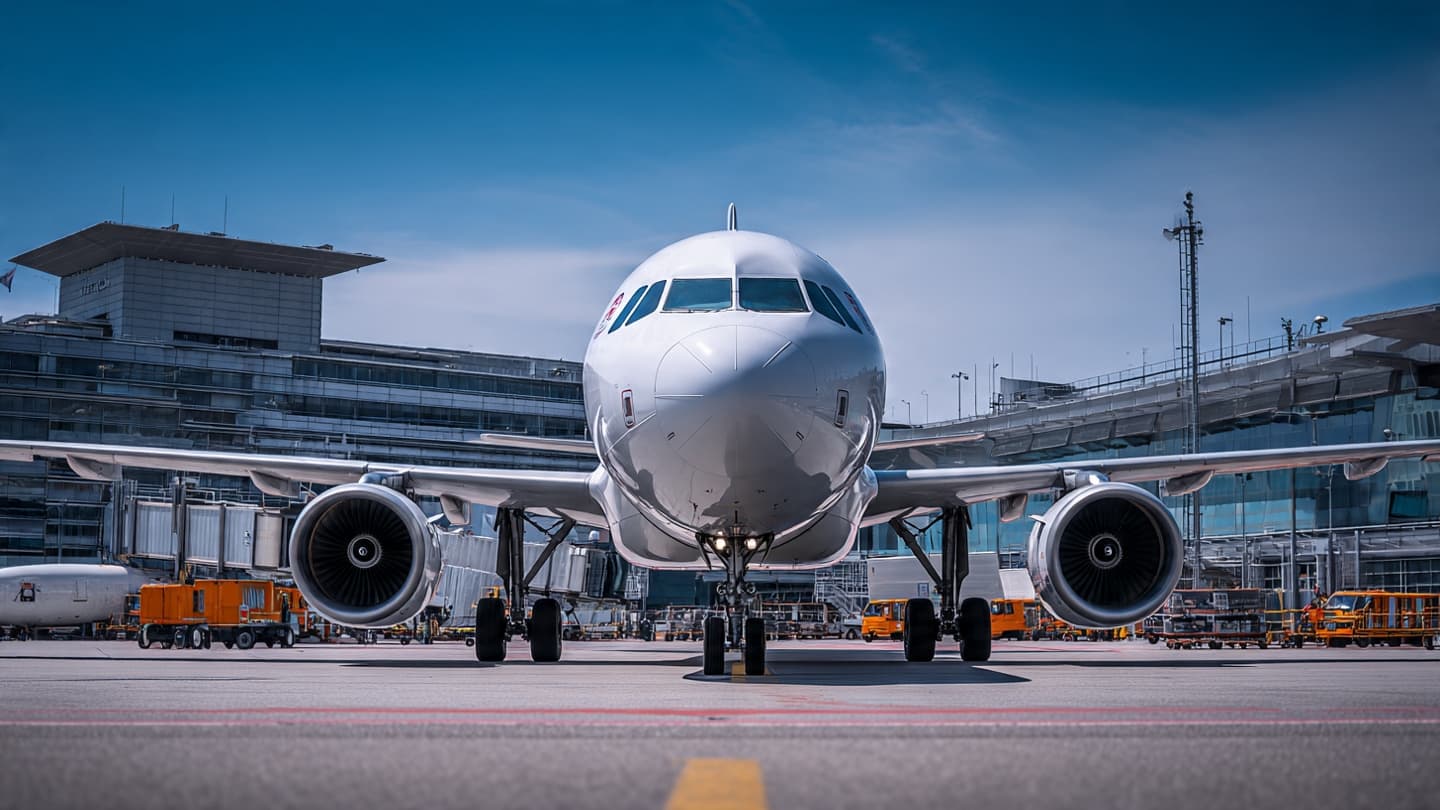
Across the wide summer sky, commercial aviation moves according to rhythms that are rarely visible from the ground. An aircraft rises, disappears into the distance, and becomes another small point in a vast network of journeys. Behind that movement lies an industrial system measured in factories, components, orders, deliveries, and years of planning. For Airbus, July brought another month of relatively steady motion.
The European aircraft manufacturer delivered 67 commercial aircraft in July 2026, matching the number delivered during the same month a year earlier. That brought Airbus' total deliveries for the first seven months of the year to 418 aircraft for 82 customers, according to company figures reported by Reuters.
The number carries a sense of continuity rather than sudden acceleration. Aircraft production is rarely governed by a single decision or a single market. It depends on thousands of components, specialized suppliers, engines, production schedules, regulatory requirements, and the readiness of airlines to receive completed aircraft.
Yet beneath the stable delivery figure, another movement was taking shape. Airbus recorded 204 gross orders during July, bringing its year-to-date gross order total to more than 1,000 aircraft. The company also confirmed purchases involving Hainan Airlines and China Eastern, adding fresh weight to the importance of the Chinese market.
China remains one of the world's most significant aviation markets, with large airline fleets and long-term demand for passenger aircraft. New orders from Chinese carriers therefore form part of a broader commercial picture in which manufacturers compete for future fleet requirements while airlines prepare for changing passenger flows.
The difference between orders and deliveries also reveals two separate clocks within the aircraft industry. An order may signal an airline's intentions years before a passenger ever boards the aircraft. A delivery, by contrast, marks the completion of a lengthy chain of manufacturing and preparation.
Airbus is continuing to work toward its annual delivery objectives, with the company targeting approximately 870 aircraft for the year. After seven months, the remaining pace will require considerably higher monthly deliveries during the rest of the year.
That challenge places July's figure into a larger calendar. Sixty-seven aircraft may appear modest beside the enormous scale of global aviation, but each one represents an extensive industrial journey. From assembly halls in Europe to airports across Asia, the movement of a single aircraft connects workers, suppliers, airlines, financiers, and travelers.
For now, Airbus' latest figures describe a company moving through the summer with deliveries holding steady and orders continuing to accumulate. The confirmed Chinese purchases provide another indication of demand beyond Europe's borders, while the months ahead will show how quickly the manufacturer can turn its order book into completed aircraft.
AI Image Disclaimer: Visuals are AI-generated and serve as conceptual representations.
Sources Reuters Airbus
Published by Banx Network. This article is part of the Banx decentralized media programme, powered by the BXE token on the XRP Ledger.