
Key Highlights
- France faces renewed wildfire activity amid extreme summer heat.
- Firefighters are challenged by difficult terrain and changing weather.
- Communities experience disruptions even if flames stay away.
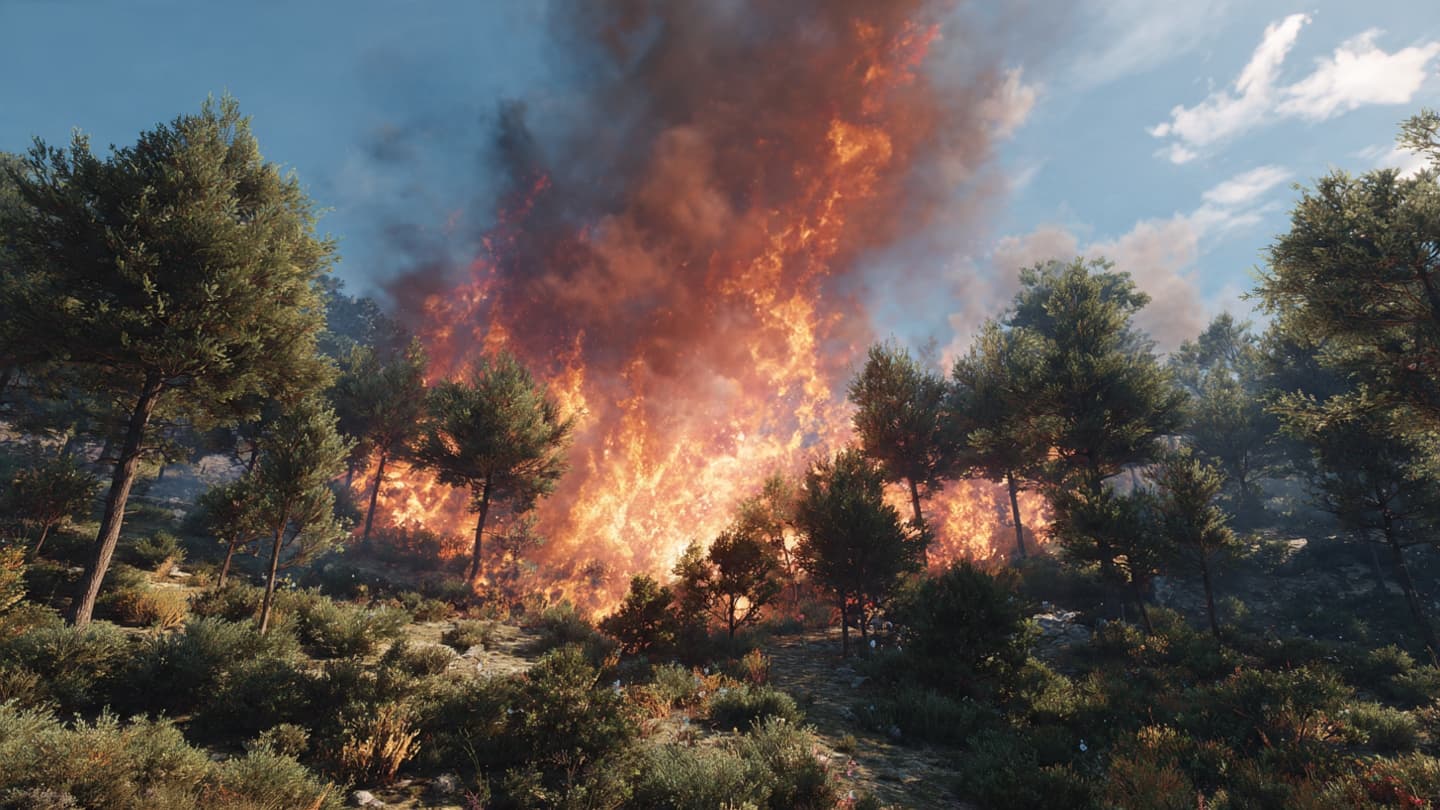
Wildfires have become a pressing concern in southern France this summer, with firefighters grappling against extreme heat and dry conditions that have led to a resurgence of blazes across the region. In July, multiple areas in France reported significant wildfire activity, prompting emergency services to mobilize rapidly to contain the flames. The situation is compounded by similar challenges faced in neighboring Spain, where crews are also battling their own wildfires.
The dynamics of wildfires are influenced by a complex interplay of weather patterns, vegetation types, and human activities. During periods of intense heat and dryness, the risk of wildfires increases dramatically. Dry grasslands and forests become highly susceptible to ignition, allowing small fires to escalate rapidly under the right conditions. This summer, the combination of prolonged high temperatures and dry winds has created a perfect storm for wildfire outbreaks.
For firefighters, the battle against wildfires is not just about extinguishing flames but also about managing time and resources effectively. A sudden shift in wind direction can change the trajectory of a fire, making it crucial for crews to remain vigilant and adaptable. Difficult terrain can hinder access for ground teams, necessitating the use of aerial firefighting resources to combat the flames from above. The coordination of these efforts is vital in preventing the spread of wildfires and protecting vulnerable communities.
The impact of wildfires extends beyond the immediate vicinity of the flames. Communities located near affected areas often face significant disruptions, even if they are not directly threatened by fire. Roads may be closed to facilitate firefighting efforts, residents may be evacuated as a precaution, and smoke can drift into towns and cities far from the actual fires, altering air quality and visibility. These disruptions can have lasting effects on local economies, particularly in regions reliant on tourism during the summer months.
As the summer progresses, the pressure on emergency services continues to mount. Firefighters, along with support personnel and equipment, must be strategically deployed across vast areas, often while enduring extreme heat for extended periods. The coordination of these resources is critical to ensure effective response and containment of wildfires, which have become increasingly frequent and severe in recent years.
The changing climate plays a significant role in the increasing frequency and intensity of wildfires in southern France and beyond. Prolonged periods of heat and dryness are becoming more common, raising concerns about the future of fire management and community safety. Each wildfire event is unique, shaped by a combination of factors that include weather conditions, vegetation types, and human actions.
As firefighters continue their efforts to monitor and contain wildfires, the immediate focus remains on safeguarding communities and minimizing damage. While the summer landscape may eventually return to normalcy, the scars left by these fires will serve as a stark reminder of the volatile relationship between climate conditions and wildfire risks in the region.
Published by Banx Network. This article is part of the Banx decentralized media programme, powered by the BXE token on the XRP Ledger.



