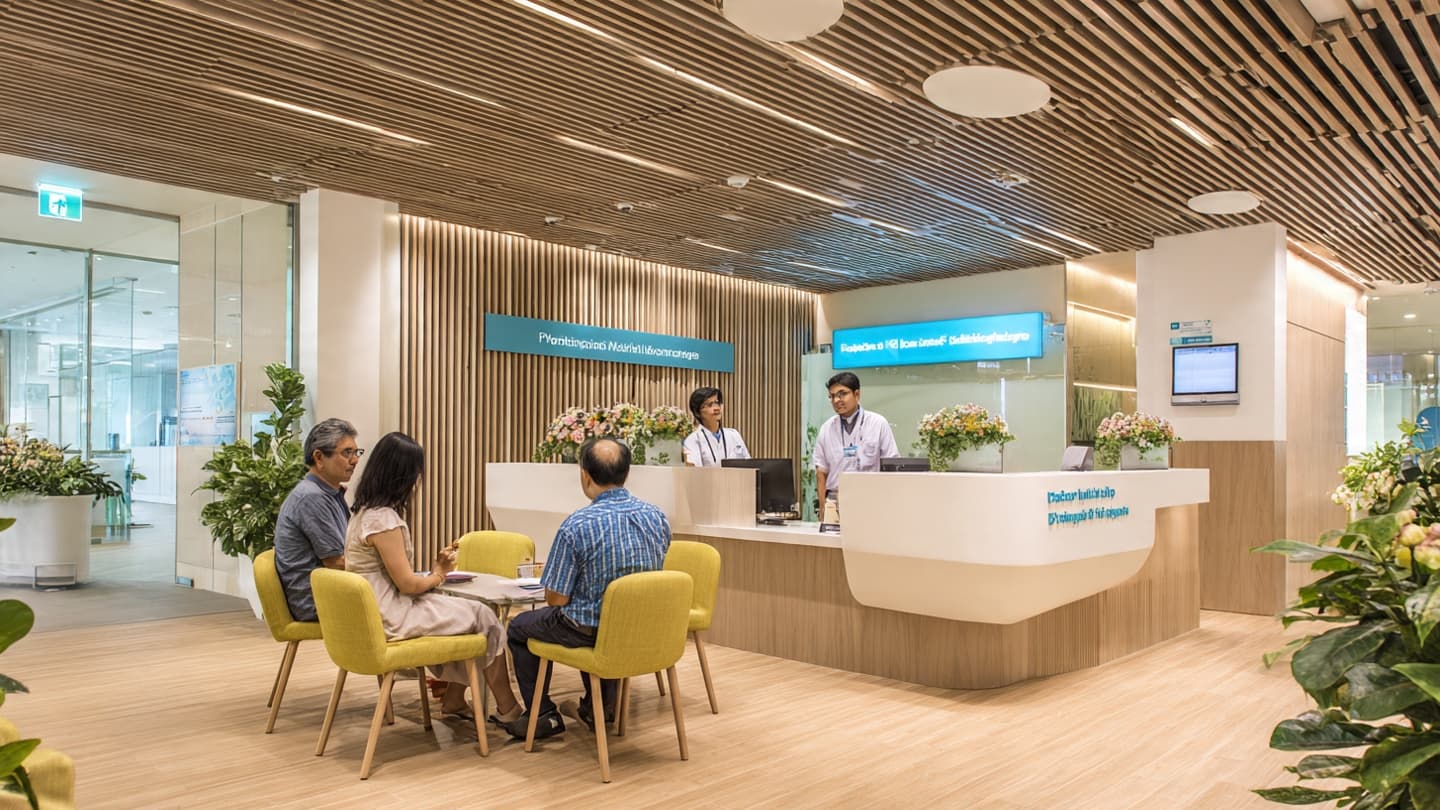
In Singapore, the passage of time can be seen not only in the changing shape of its skyline but also in the changing needs of its population. As people live longer, healthcare increasingly turns toward prevention, looking for ways to identify risks before they become more difficult problems.
Singapore has introduced new screening guidelines covering osteoporosis, breast cancer and lung cancer, expanding the country's focus on preventive healthcare. The recommendations are intended to help healthcare professionals and residents make more informed decisions about screening and early detection.
Osteoporosis has become particularly relevant as populations age. The condition can weaken bones gradually, often without obvious symptoms until a fracture occurs. Earlier identification of people at higher risk can allow doctors and patients to consider appropriate steps before serious injury takes place.
Breast cancer screening remains another important part of preventive healthcare. Regular screening can help identify abnormalities at an earlier stage, when treatment options may be more effective. The updated guidance provides a framework for determining who should be screened and when screening may be appropriate.
Lung cancer presents a different challenge because early disease can also develop without clear symptoms. Screening recommendations therefore need to balance potential benefits with factors such as age, risk and the possibility of unnecessary follow-up examinations.
The broader direction reflects a healthcare system adapting to a population with increasingly diverse needs. Instead of focusing only on treating illness after symptoms appear, preventive care seeks to bring more attention to risk assessment, early detection and long-term health.
For residents, guidelines can also provide greater clarity. Health screening can sometimes be difficult to navigate because recommendations vary according to age, medical history and individual risk factors. Clearer national guidance can help create a more consistent conversation between patients and healthcare professionals.
Singapore's changing demographic landscape makes that conversation increasingly important. An older population means healthcare systems must consider not only how to extend life but also how to maintain mobility, independence and quality of life for longer periods.
The new screening guidance therefore forms part of a wider movement toward prevention. Its impact will ultimately depend on how effectively recommendations reach communities and how comfortably people incorporate appropriate screening into their regular healthcare routines.
AI IMAGE DISCLAIMER:
The accompanying visuals are AI-generated conceptual illustrations and are not photographs of actual patients, clinics or medical events.
SOURCES:
The Straits Times
Published by Banx Network. This article is part of the Banx decentralized media programme, powered by the BXE token on the XRP Ledger.


.jpg&w=3840&q=75 "Japan Electronics Surge: Conglomerate Reports Massive Appliance Sales Boom Across Asian Markets This Quarter")