
Key Highlights
- U.S. airstrikes targeted military facilities in Isfahan, Iran.
- Global oil prices surged following the strikes, impacting U.S. gasoline costs.
- The interconnectedness of global energy markets influences daily life in the U.S.
The recent airstrikes in Isfahan, Iran, attributed to the United States, have reverberated far beyond the immediate vicinity of the conflict. As the historic city, known for its stunning architecture and rich cultural heritage, experienced the tremors of military action, the implications of these strikes began to unfold across global markets and everyday life.
Reports indicate that the U.S. targeted facilities linked to Iran's military infrastructure, a move that reflects ongoing tensions between the two nations. These tensions have been exacerbated by years of diplomatic negotiations, sanctions, and intermittent military confrontations. The airstrikes are not merely isolated incidents; they are part of a broader narrative of conflict that has persisted for decades.
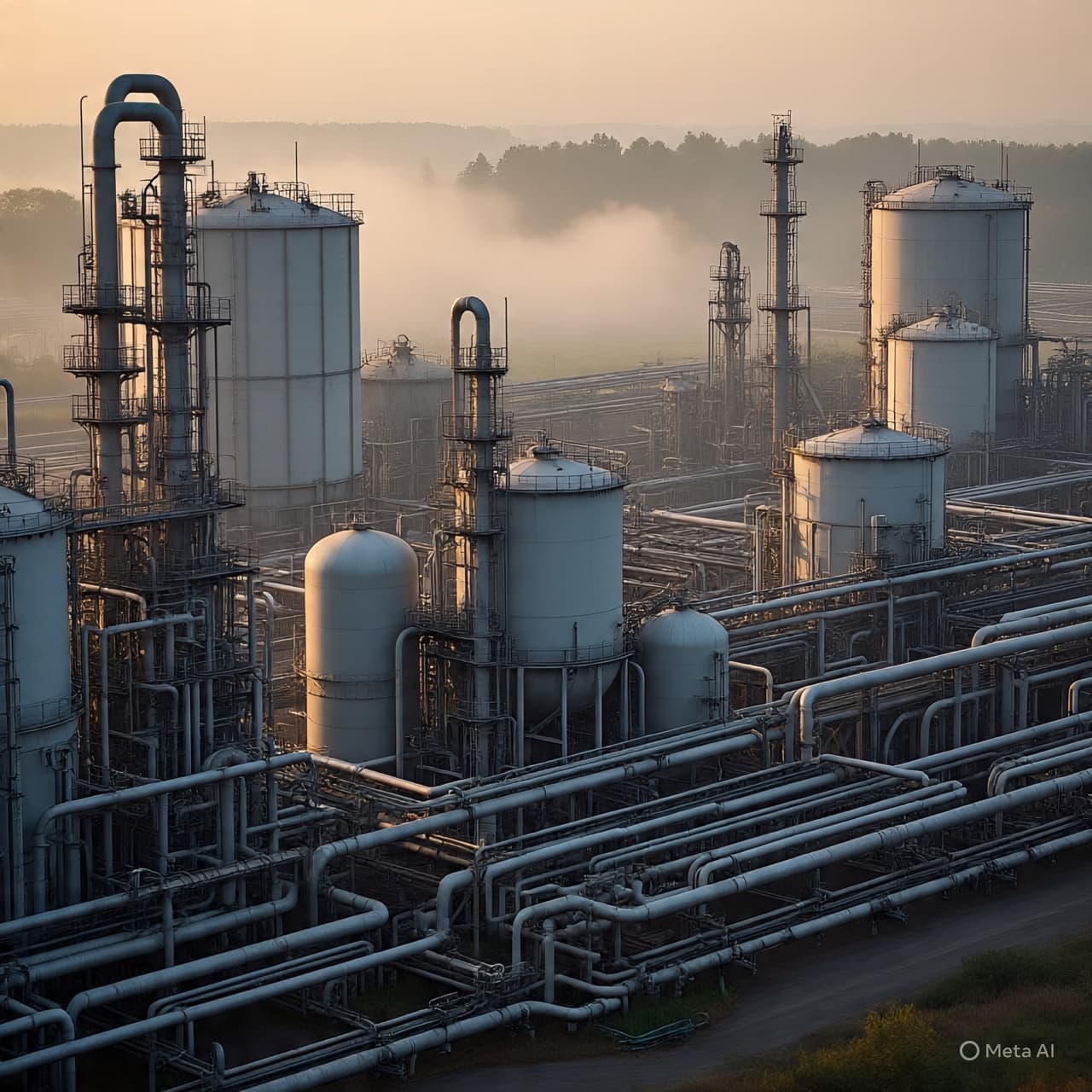
In the wake of the strikes, energy markets reacted swiftly. Oil prices, sensitive to geopolitical instability, began to rise, reflecting both the immediate impact of the strikes and the uncertainty surrounding future developments. Analysts noted that the price of crude oil increased significantly, a trend that often correlates with heightened tensions in the Middle East, a region that plays a pivotal role in global energy supply.
The ramifications of these developments extend to everyday Americans, where the average price of gasoline has now surpassed four dollars per gallon. This figure is not just a statistic; it represents a significant threshold that affects the daily routines of millions. The connection between an airstrike in Isfahan and the price at the pump may not be immediately apparent, yet it underscores the intricate web of global energy economics.
As oil is extracted and transported through a complex network of pipelines and shipping routes, any disruption in the Middle East can lead to cascading effects worldwide. Insurance costs for oil shipments may rise, shipping routes may be altered, and markets will begin to factor in the risks associated with potential escalations in conflict. This interconnectedness means that events in one part of the world can have profound implications elsewhere, particularly in energy-dependent economies like the United States.
The targeted nature of the strikes also raises questions about their broader impact. While they may achieve specific military objectives, the signals sent by such actions can influence perceptions and reactions on a global scale. The global economy, intricately linked to energy flows, absorbs these shocks in ways that can be subtle yet significant.
For individuals, the consequences manifest in tangible ways—higher gasoline prices, adjustments in travel plans, and a growing awareness of the geopolitical landscape. These changes, while seemingly minor, accumulate to form a collective response to events that may feel distant yet are deeply felt in daily life.
As the dust settles from the immediate aftermath of the strikes, attention will shift to the diplomatic and strategic responses that follow. The trajectory of U.S.-Iran relations remains uncertain, shaped by decisions yet to be made and reactions yet to unfold. What is clear, however, is that the world is increasingly interconnected, and even localized events can ripple through global systems, altering perceptions and realities across continents.
In summary, the U.S. airstrikes in Isfahan have not only escalated tensions in the region but have also contributed to rising global oil prices and increased gasoline costs in the U.S. This situation serves as a reminder of the intricate connections that bind our world, where distance does not diminish impact, and the echoes of conflict can be felt far beyond their origin.
Published by Banx Network. This article is part of the Banx decentralized media programme, powered by the BXE token on the XRP Ledger.



