There are moments when confidence returns quietly, first appearing in the way businesses plan the coming month rather than in the headlines of the day. In South Korea, August brought one of those moments as companies looked across factories, services, and technology markets and saw a somewhat brighter horizon.
Business sentiment in South Korea climbed to its highest level since September 2022 in August, according to data reported by the Korea Herald. The improvement was supported by continued strength in semiconductors and a recovery in the services sector.
The semiconductor industry has become one of the clearest engines behind the country's recent optimism. Global demand for memory chips used in artificial-intelligence systems has strengthened the position of South Korean producers, particularly Samsung Electronics and SK Hynix.
That strength is not confined to the companies producing the chips. Semiconductor manufacturing creates demand for equipment, materials, logistics, engineering, construction, research, and specialized services. When investment accelerates in one part of the technology chain, the effects can gradually spread into neighboring industries.
The services sector has provided another layer to the improvement. After periods of uneven activity, stronger service-sector conditions can offer businesses a broader foundation for confidence. Restaurants, retail, professional services, transportation, and other businesses respond differently to economic conditions, but together they help shape the wider atmosphere of commercial activity.
The improvement in sentiment arrives alongside substantial investment plans in the semiconductor industry. South Korea has announced major efforts to expand chip production and strengthen its domestic technology ecosystem, with Samsung and SK Hynix preparing enormous investments to meet anticipated demand for AI-related memory and computing infrastructure.
Yet the optimism is not without uncertainty. Semiconductor markets are cyclical, and the extraordinary pace of AI investment has raised questions about how long current demand can remain at elevated levels. Companies must therefore decide how aggressively to expand while considering the possibility that technology spending could eventually cool.
South Korea is also attempting to use the current semiconductor boom to support future industries. The government plans a new Future Response Fund that would use tax revenue generated by the chip boom to support younger people and investments in AI and other future-growth sectors. The proposal reflects the unusually large economic impact of the semiconductor cycle.
The broader significance of August’s sentiment reading lies in its timing. Confidence is improving while the country’s most important technology companies are recording strong results and expanding their investment plans. For businesses outside semiconductors, the hope is that this strength will gradually travel through the economy rather than remain concentrated among a small number of technology giants.
For now, South Korea enters the second half of the year with a more confident business mood than it has experienced in several years. Semiconductor demand and services activity are providing the immediate support, while businesses continue watching how long the AI-driven technology cycle can sustain its momentum.
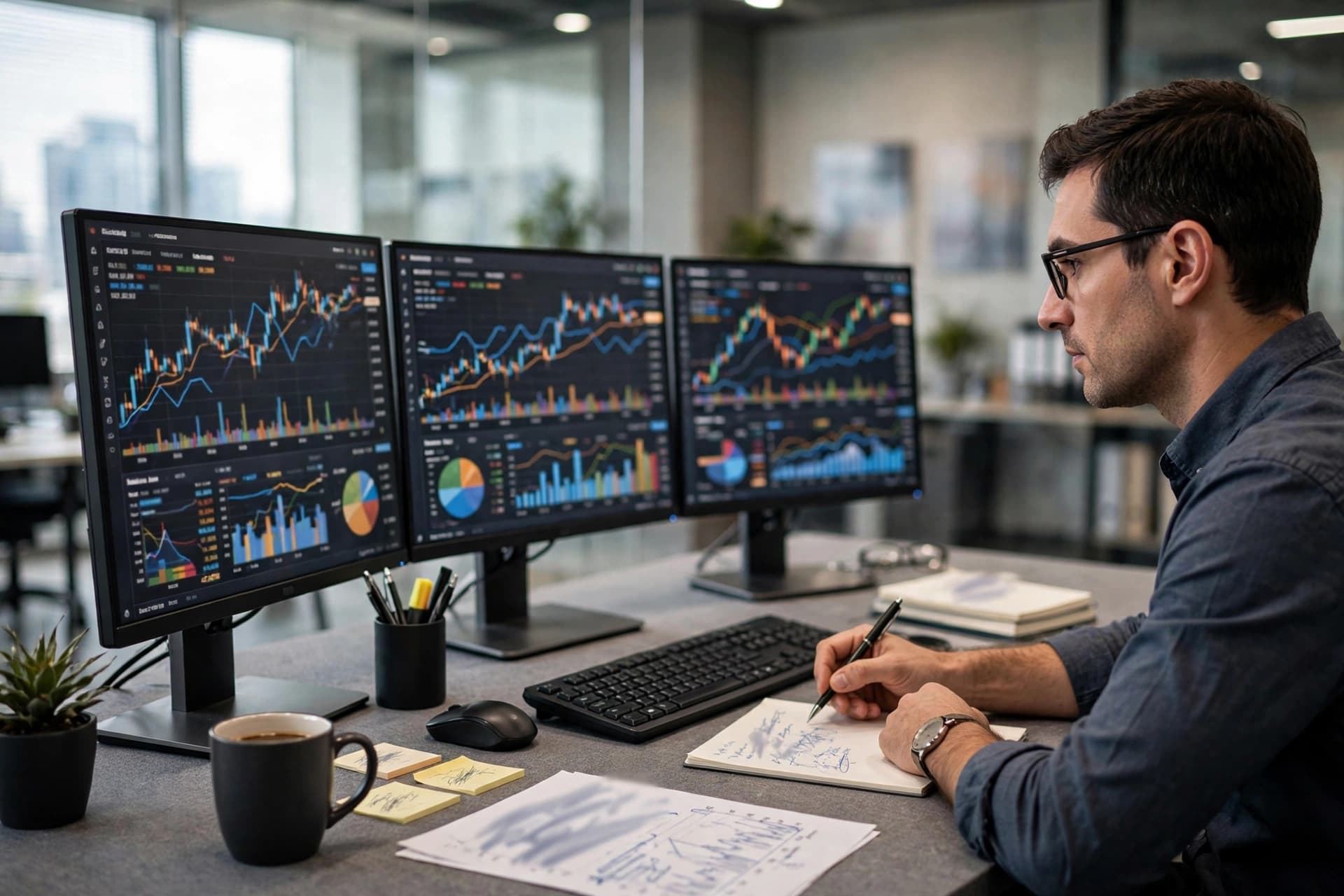
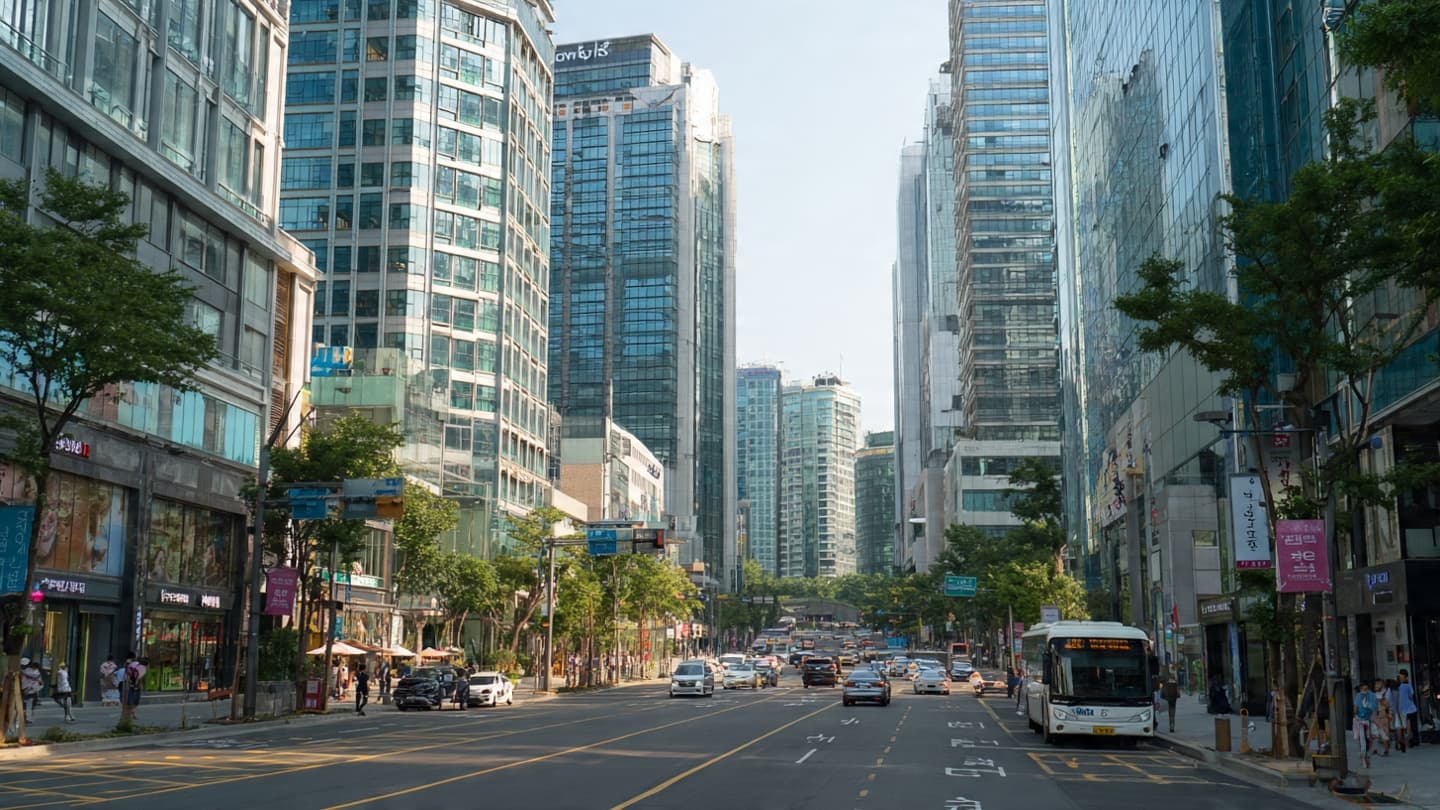
AI Image Disclaimer The visuals accompanying this article are AI-created conceptual scenes and should not be interpreted as photographs of actual South Korean businesses.
Sources The Korea Herald Reuters Bank of Korea Samsung Electronics SK Hynix
Published by Banx Network. This article is part of the Banx decentralized media programme, powered by the BXE token on the XRP Ledger.