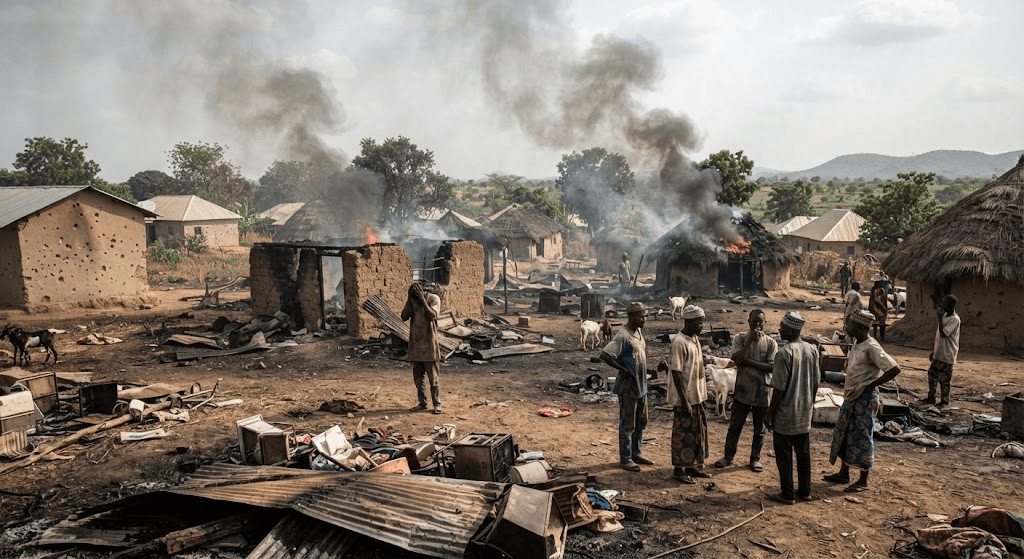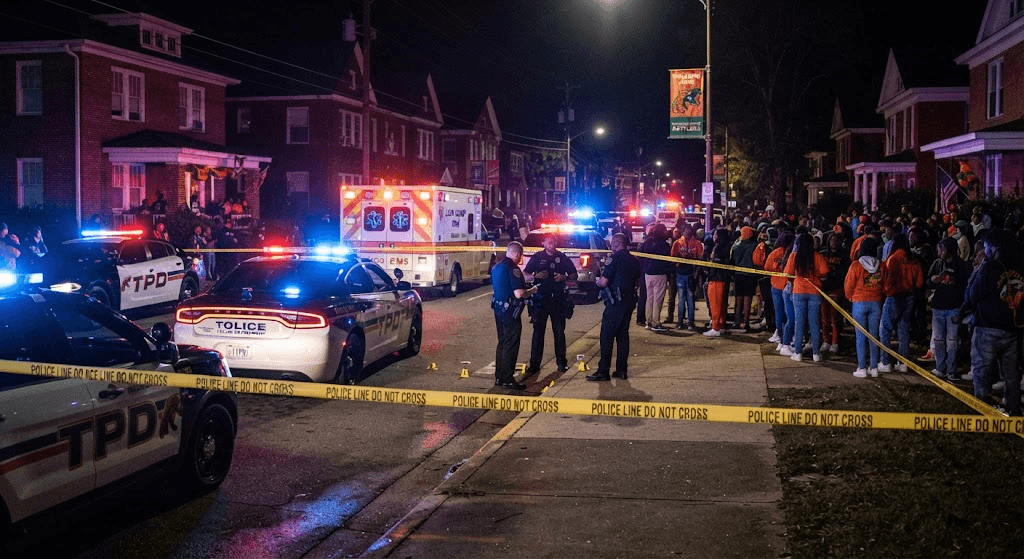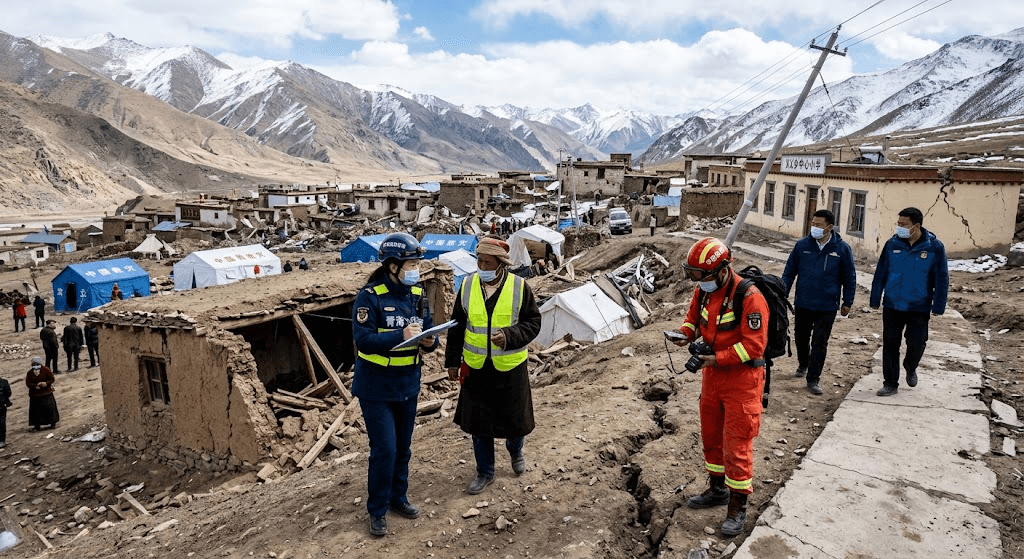
There are places that seem to belong entirely to ordinary life. Hospitals greet the morning with quiet footsteps, schools prepare for another day of learning, places of worship open their doors in silence, and homes gather families beneath familiar roofs. These spaces are built around routine rather than conflict, and yet, when war expands, they often become reminders of how fragile ordinary life can be.
As military exchanges between the United States and Iran have intensified, renewed attention has focused on one of the most fundamental principles of international humanitarian law: the protection of civilian sites. The discussion has become increasingly important as both countries accuse one another of strikes affecting locations connected to civilian infrastructure or public services, raising questions about what international law defines as protected objects during armed conflict.
Under the Geneva Conventions and their Additional Protocols, parties to a conflict are required to distinguish between military objectives and civilian objects. Civilian sites generally include homes, schools, hospitals, religious buildings, cultural landmarks, water systems, and other facilities primarily serving noncombatants. These locations are protected from deliberate attack unless they are being used for military purposes in a manner recognized under international law.
The principle of distinction lies at the center of these legal protections. Armed forces are expected to direct operations only against legitimate military objectives while taking feasible precautions to minimize harm to civilians and civilian infrastructure. Closely connected to this are the principles of proportionality and precaution, which seek to prevent attacks expected to cause excessive civilian harm relative to the anticipated military advantage.
In recent confrontations, both Washington and Tehran have described strikes as targeting military facilities or strategic infrastructure. At the same time, reports from international organizations, humanitarian agencies, and local authorities have examined allegations that some attacks have affected nearby civilian facilities or essential public infrastructure. Independent verification often remains difficult while hostilities continue, making careful investigation an important part of assessing compliance with international law.
Modern warfare frequently blurs the physical boundaries between military and civilian environments. Military assets may be located near urban areas, communication networks often serve both civilian and defense purposes, and transportation infrastructure can have both commercial and military value. These realities complicate operational decisions while increasing the importance of careful targeting and legal review before military action is undertaken.
International organizations, including the United Nations and the International Committee of the Red Cross, continue to emphasize that legal obligations remain in force regardless of the intensity of conflict. Even during periods of escalating hostilities, the protection of civilians remains one of the central responsibilities imposed by international humanitarian law on all parties engaged in armed conflict.
For communities living near potential targets, legal terminology offers only partial comfort. The distinction between military and civilian objectives may be debated in diplomatic statements and legal analysis, but daily life continues amid uncertainty. Families seek safety, hospitals continue treating patients, and essential services strive to function despite the surrounding instability.
As the conflict between the United States and Iran continues to evolve, discussions about civilian sites extend beyond individual incidents. They reflect a broader effort to preserve humanitarian principles even during war's most difficult moments. International law cannot prevent every act of violence, but it provides a framework intended to protect ordinary life wherever possible. In that enduring commitment lies the hope that, even amid conflict, there remain places where humanity is recognized as something worthy of careful protection.
AI Image Disclaimer The visuals accompanying this article are AI-generated conceptual illustrations and do not depict actual events or locations.
Sources International Committee of the Red Cross (ICRC) United Nations Reuters Associated Press BBC News
Published by Banx Network. This article is part of the Banx decentralized media programme, powered by the BXE token on the XRP Ledger.