
Key Highlights
- Military Operation:The U.S. and Israel launched airstrikes targeting Iranian military infrastructure.
- Political Reactions:Iranian officials condemned the strikes, promising retaliation.
- Global Impact:Oil prices rise as international calls for restraint increase.
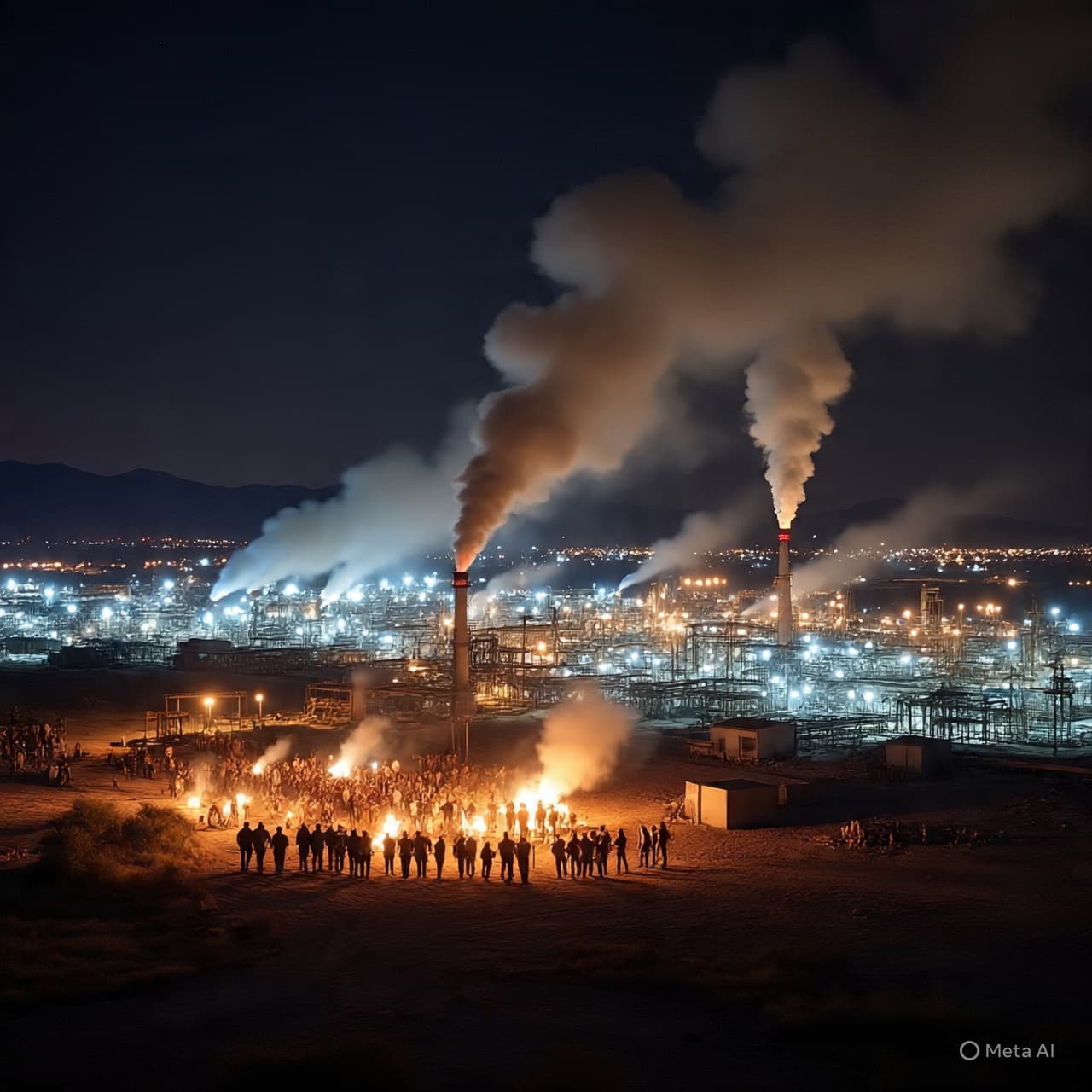
The early hours before dawn in the desert often carry a unique stillness, a moment of anticipation that can be shattered by sudden violence. On this particular morning, that stillness was pierced by the sounds of airstrikes as the United States and Israel executed a coordinated military operation against Iranian military and nuclear-related sites. Officials described the targets as critical infrastructure, including storage depots and missile platforms, emphasizing the precision of their strikes. Despite the technical language used to reassure the public, the reality of warplanes crossing borders and the sight of smoke rising against the dawn sky painted a stark picture of escalating conflict.
In cities across Iran, residents awoke not to the usual sounds of morning but to a flurry of news alerts and the distant thud of impacts. Social media buzzed with reports of explosions and the eerie quiet that often follows such strikes. Iranian authorities quickly reported damage to several sites and vowed a measured but firm retaliation, framing the attacks as an infringement on national sovereignty. State television broadcast images of emergency crews responding to the aftermath, reinforcing the narrative of resilience against foreign aggression.
In a direct address to the Iranian people, President Donald Trump urged them to take control of their government, marking a notable shift from military rhetoric to a more politically charged message. Israeli leaders echoed this sentiment, framing the strikes as a necessary preemptive measure against what they described as an escalating threat from Iran. Both nations presented the operation as a defensive necessity, a response to years of mounting tensions surrounding Iran's nuclear ambitions.
The geopolitical landscape of the Middle East has long been fraught with complexity, characterized by sanctions, negotiations, and proxy conflicts. Iran's nuclear program remains a focal point of international concern, monitored by inspectors and debated in diplomatic circles. Each new development in this ongoing saga is layered with historical grievances and mistrust, making the current situation particularly volatile.
As daylight broke over the Iranian plateau, markets reacted cautiously, with oil prices rising in early trading as investors weighed the implications for global supply routes. Governments around the world, particularly in Europe and Asia, called for restraint, while the United Nations urged de-escalation. Diplomats scrambled to manage the crisis, engaging in private discussions and emergency briefings to navigate the rapidly evolving situation.
Inside Iran, the government condemned the strikes, with officials signaling that any retaliation would be calculated. The Islamic Revolutionary Guard Corps warned of consequences, yet the public's response was more nuanced. Many citizens, weary from years of economic hardship and isolation, expressed skepticism towards foreign appeals, while others reacted with anger at perceived external interference in their affairs. The national identity of Iran, much like the desert winds, is complex and ever-shifting.
In Israel, air defense systems remained vigilant, scanning the skies for potential threats. Meanwhile, U.S. lawmakers found themselves divided, with some praising the decisive action while others cautioned against the risks of further entanglement in Middle Eastern conflicts. The specter of past wars loomed large, reminding many of the unpredictable costs associated with military interventions.
As the day progressed, the smoke over the targeted sites began to dissipate, leaving analysts to ponder the next steps. Would Iran respond directly to the strikes, or would it choose to retaliate through proxy forces in the region? The answers to these questions remain uncertain, as the world watches closely, aware that the consequences of this military action could reverberate far beyond the borders of Iran and Israel.
Published by Banx Network. This article is part of the Banx decentralized media programme, powered by the BXE token on the XRP Ledger.



