Under the mild sun of a Jerusalem afternoon, the city’s rhythms carried on as they always do — a mingling of the ordinary and the historic. Yet beyond its ancient stones and the calm hum of daily life, a few carefully spoken words began to ripple outward. Yair Lapid, Israel’s opposition leader, offered a vision that extended beyond familiar borders, invoking both faith and history as he spoke of a “broad” view of Israel’s place within the Middle East.
It was not the tone of a fiery proclamation but that of a reflective statesman, conscious of how every word finds its echo. Lapid described Zionism as “rooted in the Bible,” connecting the modern nation’s identity to its ancient narrative, and suggesting that the concept of Israel might transcend its current territorial frame. He called for recognition of heritage as a living force — one that shapes both how the country sees itself and how it imagines its role in a region marked by shifting lines and enduring tensions.
The statement carried weight precisely because of its restraint. It was less a political blueprint than a meditation on belonging and memory, yet in a region where language often moves faster than diplomacy, its reverberations were immediate. Regional commentators and governments sought clarity, reading his words through lenses of caution and history. For some, they recalled old ambitions tied to biblical borders; for others, they reflected a deeper search for identity amid the turbulence of modern politics.
In Israel itself, the reaction was layered. Supporters described Lapid’s remarks as a reaffirmation of national confidence — a poetic articulation of connection rather than conquest. Critics, however, warned that even symbolic talk of expansion risks unsettling fragile regional relationships painstakingly built over decades. The distance between metaphor and policy, they noted, can grow thin when filtered through the language of the Middle East.
Still, the broader tone of Lapid’s address remained pragmatic. He spoke of security, diplomacy, and cooperation — of the need to preserve stability while acknowledging the emotional depth of a nation whose modern story has always intertwined with its ancient one. His words carried the cadence of someone navigating the fine line between inspiration and responsibility.
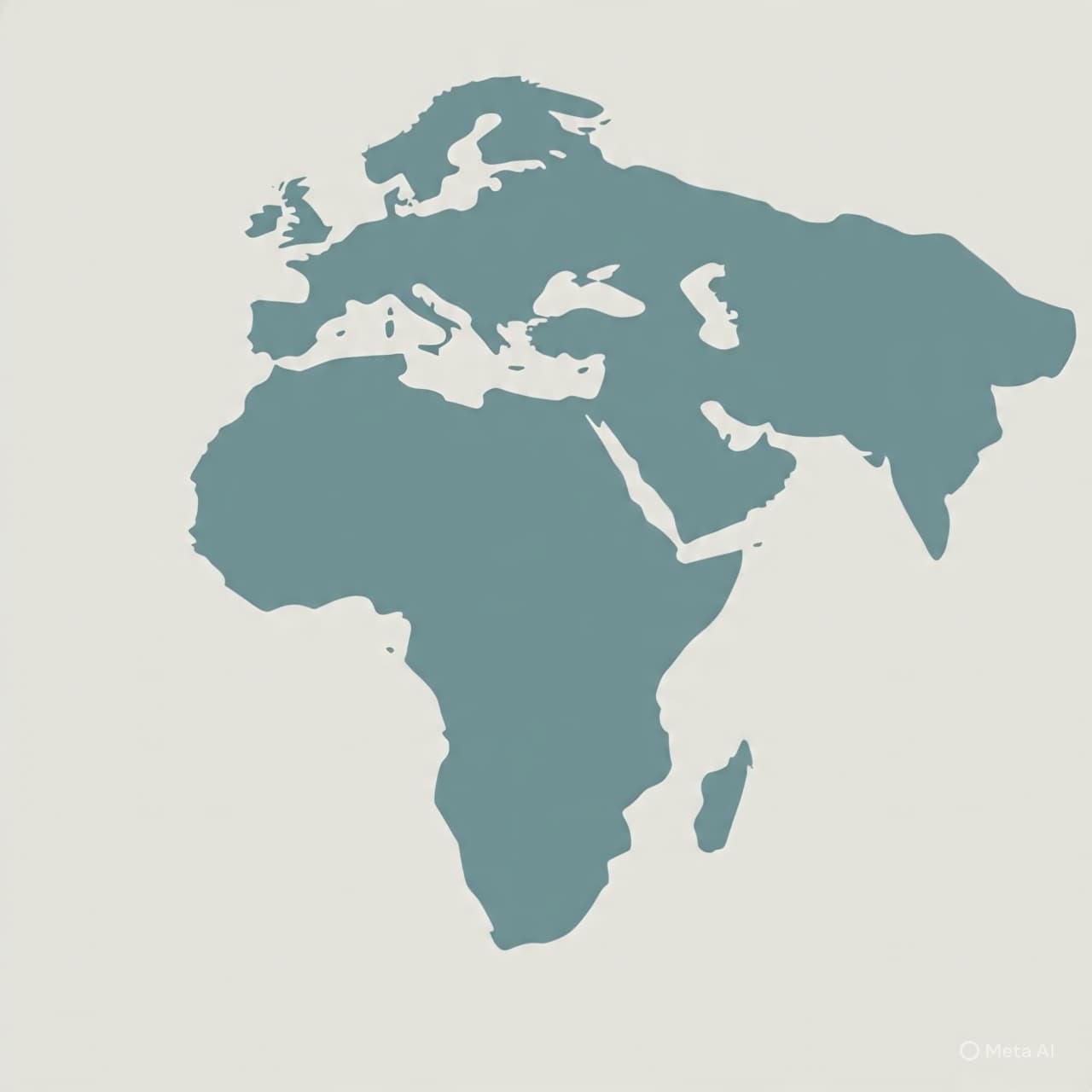
By evening, as the call to prayer rose across nearby hills and lights flickered along Jerusalem’s skyline, the moment felt suspended between past and present. In a region where borders are both visible and imagined, Lapid’s reflection reminded many that ideas — like lines on a map — can expand quietly, through thought as much as through motion.
AI Image Disclaimer Illustrations were created using AI tools and are not real photographs.
Sources (Media Names Only) Reuters Associated Press BBC News The Guardian Al Jazeera
Published by Banx Network. This article is part of the Banx decentralized media programme, powered by the BXE token on the XRP Ledger.